

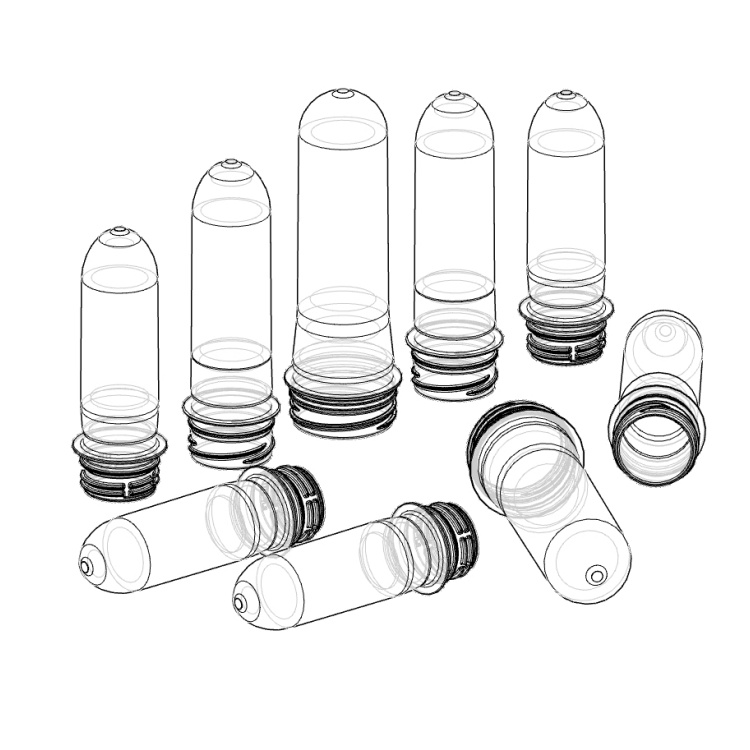
Can New Custom Blow Molding Systems Replace Traditional Machines by 2025
The blow molding market is shifting faster than many expected. Brands want lighter bottles. Beverage producers demand stronger heat resistance for hot-fill drinks. At the same time, factories are dealing with shorter delivery cycles and more SKU changes than ever. All these pressures have pushed manufacturers to rethink the kind of molding equipment and mold structures they rely on.
Custom blow molding systems—especially those built around precision PET molds—have stepped into the spotlight. They promise better flexibility and higher stability, something traditional, fixed-standard machines struggle to keep up with. Companies like BJY, a long-term specialist in PET blow molds, are already offering molds compatible with hot-fill lines from major names such as Sidel and Krones. As these custom solutions gain traction, the question becomes hard to ignore: Can custom blow molding systems take over traditional machines by 2025?
Are Custom Blow Molding Systems Changing Production Efficiency?
Speed and consistency sit at the center of modern production lines. When factories shift between bottle sizes or adjust wall thickness for a new product, even small downtime hurts. This is where custom mold solutions start to shift the balance.
Higher Output With Precision Mold Design
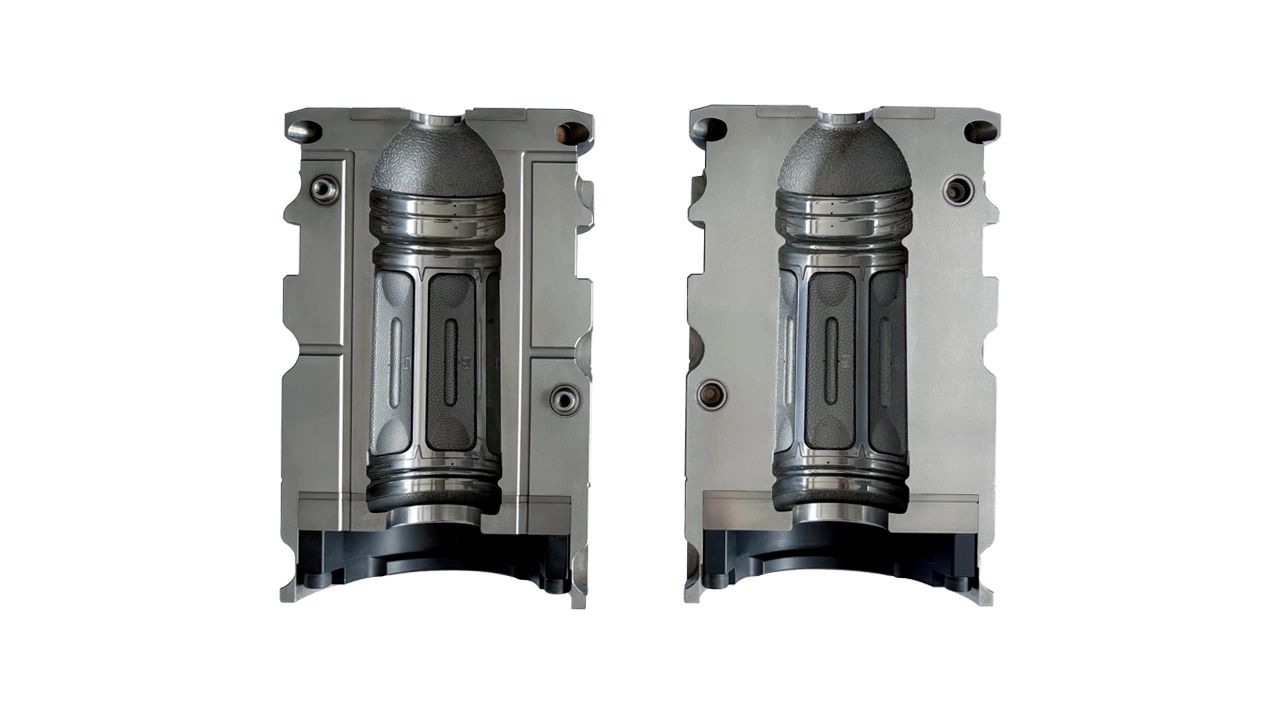
A well-made PET mold does more than create a shape. It stabilizes airflow, keeps the material stretching evenly, and helps the preform open up cleanly during blowing. BJY’s 555ml Blow Molding Mold, for example, is built with a refined cavity layout that supports quick blowing cycles without putting too much stress on the mold body. Many factories report smoother bottle release because the surface finish guides the bottle out naturally instead of forcing it.
This kind of detailed design work means machines don’t need to “fight” the mold during production. Fewer hiccups, fewer micro-jams, and fewer random marks on bottles. As a result, output climbs—not dramatically overnight, but steadily and reliably.
Shorter Cycle Times Through Optimized Cooling Channels
Modern molds rely heavily on cooling channels, and custom systems give engineers the freedom to re-route those channels in ways that match the customer’s bottle size, resin type, or production rhythm. With shorter cooling phases, every cycle tightens a bit. A cycle shortened by even 0.1 seconds adds up to thousands of bottles gained in a single shift.
Factories that upgrade to custom PET molds often notice a strange thing: the blow molding machine suddenly feels “faster,” even though the equipment itself hasn’t changed. That’s the mold doing the work, not the machine.
Consistent Bottle Quality for Large-Scale Production
Traditional machines do fine with simple shapes. But as bottle ribs, grip areas, and textures become more complex, inconsistencies grow. Custom molds, on the other hand, match those detailed designs from the start. The cavity is cut based on the beverage type, the filling temperature, even the stacking or labeling method.
This stability shows up clearly during long runs. Less fluctuation. Fewer rejects. And far fewer bottles failing drop tests or cracking near the base—issues often tied to uneven stretching.
Can Tailored PET Molds Enhance Hot-Fill Container Performance?
Hot-fill bottling puts much heavier demands on containers. When liquid enters at 85–92°C, the bottle must keep its shape, resist shrinkage, and protect the product without warping. This is where custom mold engineering truly stands apart.
Heat-Resistant Geometry for Stable Hot-Fill Bottles
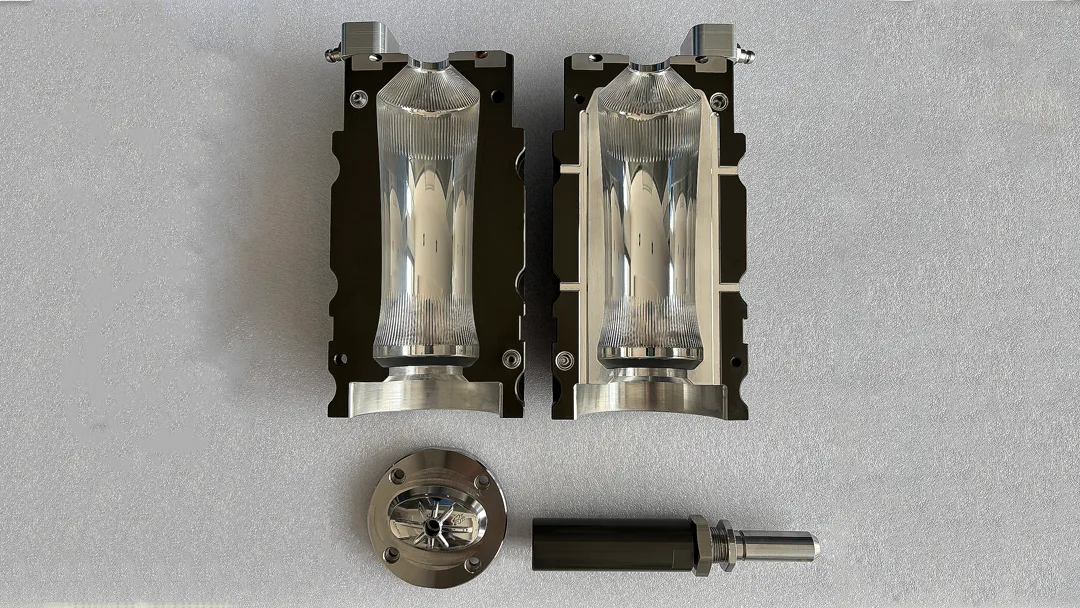
Hot-fill bottles typically include vacuum panels, deep grooves, and reinforced shoulders. These features aren’t decoration—they allow the bottle to handle pressure drops after capping. BJY’s Hot Filled Blow Molding Mold is tailored to these forces. The geometry guides the bottle to contract in the “safe” areas instead of pulling the whole structure inward.
When a mold is cut around real-use conditions, not theoretical numbers, the bottle’s stability improves immediately.
Improved Wall Distribution for Pressure Resistance
The internal flow of PET material during stretching determines whether the bottle can handle heat. If one area gets thinner than intended, that spot will deform first. Custom molds guide that material more evenly.
BJY’s hot-fill series, including the PET Blowing Mold for Krones Hot Filled Machines and the PET Blowing Mold for Sidel Hot Filled Machines, shows this advantage clearly. These molds are designed with temperature balance and stretching patterns in mind, giving the final bottle stronger walls without needing extra material. Many manufacturers appreciate this because it reduces resin consumption—a cost that adds up quickly.
Reliable Compatibility With Krones and Sidel Platforms
For factories using Krones or Sidel blow molding systems, compatibility is non-negotiable. The mold must fit the machine, align with the blowing nozzle, and match the clamping system without any modification. BJY designs its hot-fill molds directly for these machine platforms. This avoids the usual trial-and-error phase that slows installations.
Once installed, the molds run smoothly because they sit exactly where the machine expects them to sit.
Do Customized Molds Reduce Long-Term Operating Costs?
When looking beyond daily output numbers, long-term cost control becomes just as important—sometimes even more.
Lower Scrap Rates Due to Stable Mold Precision
Poor mold alignment or inconsistent cavity finish can lead to countless small defects. Maybe a slight haze. Maybe a dent on one side. Maybe the bottle doesn’t pass hot-fill deformation tests. Custom molds dramatically reduce these flaws because they’re built around real production data, not an average standard mold template.
Better cavity precision means fewer rejects, which equals lower scrap costs.
Extended Mold Lifespan With High-Grade Steel
One overlooked factor in mold investment is lifespan. Cheaper molds wear out fast. Edges soften, cavities scratch, and cooling performance drops. BJY uses high-grade mold steel and stable machining processes to extend service life. For factories that run 24 hours a day, this matters a lot. A long-lasting mold means fewer replacements, fewer shutdowns, and fewer unexpected delays.
Less Maintenance Through Optimized Structure
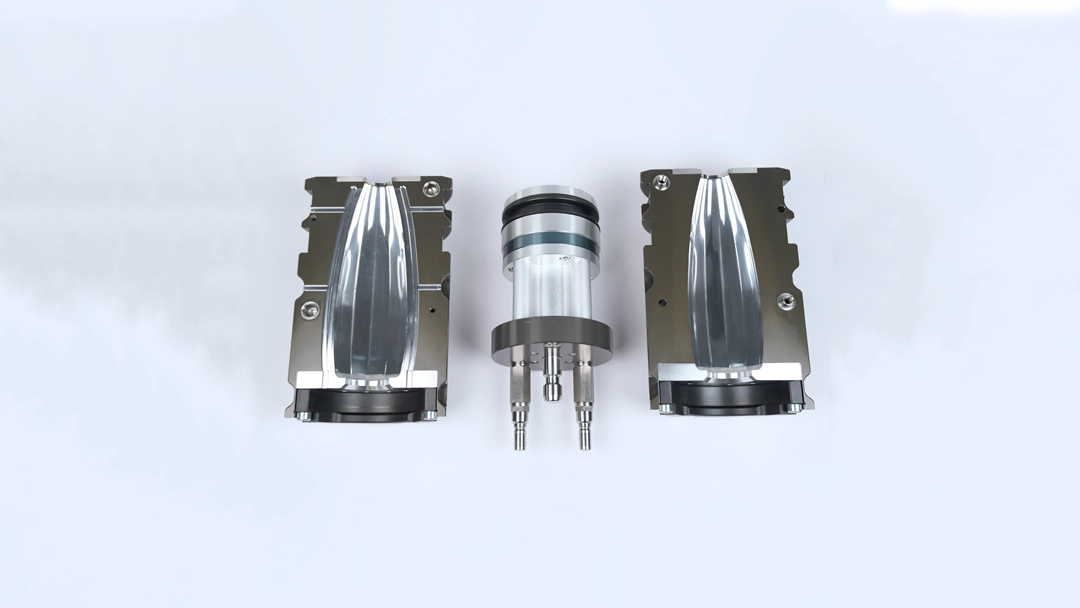
A mold designed with easy-access parts and balanced cooling paths tends to stay clean longer. Operators don’t need to open it every few days for polishing or cleaning. It may seem like a small advantage, but over the course of a year, the saved labor and downtime become significant.
Will New System Designs Improve Packaging Flexibility?
Product diversity has exploded across the beverage and food industries. What used to be a handful of bottle types has grown into dozens. Factories need to switch fast, sometimes several times in a single week.
Multi-Size Compatibility for Diverse Containers
Custom molds can be engineered to work with several neck sizes or bottle heights that share a machine base. This means one line can take on multiple products without requiring heavy mechanical adjustments.
Rapid Mold Changeover for Small-Batch Production
For brands running seasonal drinks, trial batches, or limited editions, slow mold changeovers become a major bottleneck. Custom-designed molds can reduce switch times drastically. Operators appreciate this more than anyone—less wrenching, less testing, and more time actually producing.
Enhanced Custom Shapes for Brand Differentiation
Marketing teams love unique bottle shapes. Traditional mold templates rarely offer this freedom. Custom molds open the door to curved ribs, special textures, and signature silhouettes that help a product stand out on crowded shelves.
Are Advanced Custom Systems Ready to Replace Traditional Machines by 2025?
The industry is not waiting for a distant future. The shift is already happening.
Stronger Technological Maturity in Precision Mold Manufacturing
CNC milling, surface finishing, and simulation tools have reached a point where custom molds can be produced quickly and with very stable accuracy. This wasn’t always true a decade ago.
Adoption Speed Accelerated by Beverage Market Demands
Demand for better hot-fill performance, lighter bottles, and more SKU flexibility pushes factories to adopt newer systems simply to stay competitive. It’s not about replacing machines for the sake of replacing them—it’s about surviving market pressure.
Improved ROI for Manufacturers Using New Mold Systems
When higher output, longer mold life, fewer rejects, and better bottle quality come together, ROI naturally climbs. Many factories upgrading to BJY’s custom molds report that the investment pays itself back sooner than expected.
By 2025, traditional machines won’t disappear, but custom blow molding systems—especially those backed by high-precision molds—will likely become the new standard.
FAQ
Q1: Do BJY molds work with both old and new blow molding machines?
A: Yes. BJY designs molds to match the customer’s machine setup, whether it’s a newer Sidel/Krones system or an older line still in good condition.
Q2: Are custom molds only useful for hot-fill bottles?
A: Not at all. While BJY has strong expertise in hot-fill molds, their custom PET molds also support water bottles, edible oil packaging, household items, and more.
Q3: How long does a custom mold usually last?
A: With proper care, high-grade steel molds from BJY can run for years. Lifespan varies by usage intensity, but many factories use them far longer than standard molds.
Disclaimer
The brand names and logos of sidel, husky, khs, sacmi.sipa, netstal, etc., are registered trademarks owned by their respective legal holders. All mentioned trademarks and brand names in this article are used solely for the purpose of illustrating product compatibility and suitability. BJY does not claim any rights to the aforementioned trademarks and has no affiliation, authorization, or partnership with the companies mentioned. Any references herein do not imply that our products are original factory parts or have received official recognition from the manufacturers.