

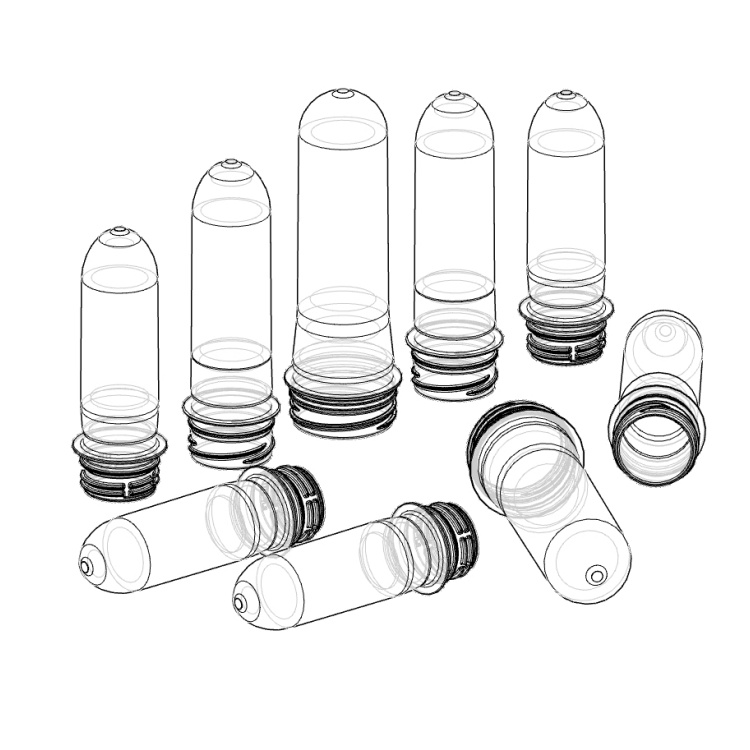
Comparing Blow Molds and Injection Molds for Bottle and Preform Production
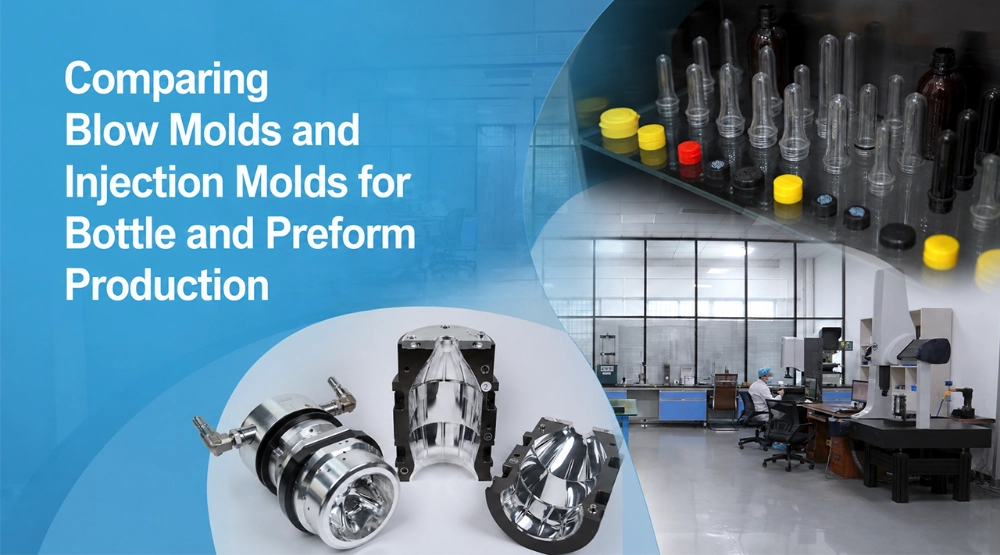
The main difference between a blow mold and an injection mold is where each tool operates in bottle production. An injection mold typically converts molten PET resin into a preform. A blow mold then shapes the heated preform into a finished bottle. These are sequential tools, not interchangeable alternatives.
This distinction affects machine selection, mold design, materials, cooling, and purchasing specifications. Process settings also depend on the resin, bottle design, production speed, machine, and cooling configuration. Foshan Baijinyi Precise Technology Co., Ltd., known as BJY, supplies tooling for both stages according to project-specific production requirements.
How Do Injection and Blow Molds Fit Into Bottle Production?
Before selecting tooling, determine whether your facility will manufacture preforms, form finished bottles, or handle both stages.
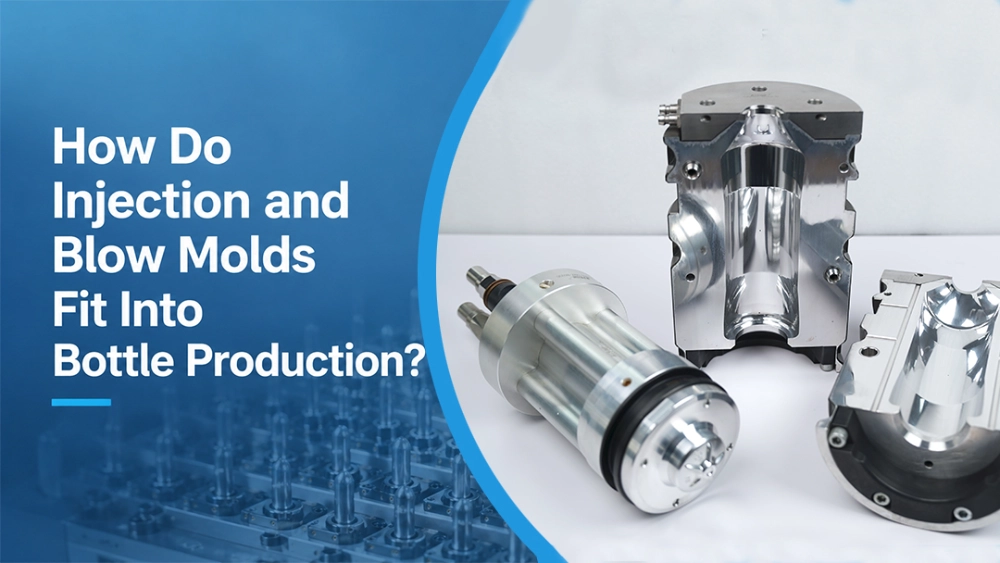
Injection Molds Produce The Preform
During injection molding, molten PET enters multiple cavities to form preforms with a specified weight, neck finish, and material distribution. The neck finish is particularly important because it must match the closure and downstream handling equipment.
Injection or preform molds may include a hot-runner system for resin delivery. A purchase request should identify the cavity count, preform weight and dimensions, neck finish, resin, and injection-machine configuration.
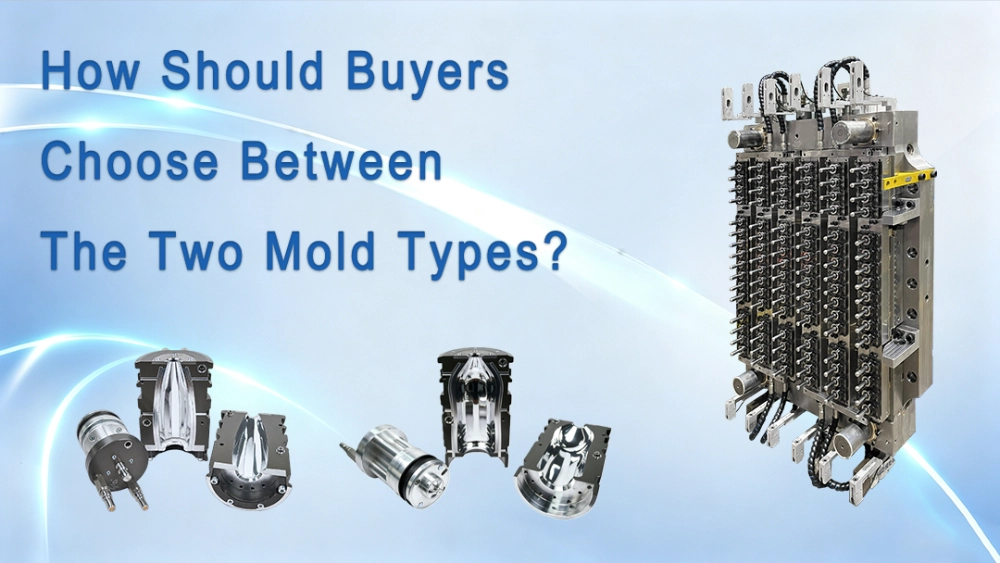
The 48-Cavity PET Preform Mold is an example of injection-side tooling. Its 48-cavity arrangement and adjustable neck-finish options apply to that documented model and are not standard specifications for every preform mold.
Blow Molds Form The Finished Bottle
Blow molding starts with a suitable preform. The preform is reheated, stretched, and expanded with air against the bottle-shaped cavity. This process forms the bottle body, base, panels, and final volume.
Stretch-rod position is normally sensor-positioned or directly controlled. Blowing pressure must be adjusted for the bottle and production process, with thick-wall and hot-fill bottles potentially requiring different conditions. Cooling normally uses water or oil, most commonly water. Its effectiveness depends on the machine’s cooling system and the mold’s water-path design.
The Two Processes Work As Sequential Production Stages
The usual sequence begins with PET resin, continues through injection molding of the preform, and finishes with reheating and blow molding. Injection molding establishes the preform and neck finish, while blow molding creates the final container geometry.
A vertically integrated producer may need separate molds and compatible machines for both stages. A bottle converter that purchases ready-made preforms may require only blow-molding tooling. This production sequence defines the difference between blow molds and injection molds.
Which Tooling Differences Have The Greatest Production Impact?
The forming method affects construction, material selection, thermal control, maintenance, and machine compatibility. Each factor can influence line stability as well as bottle quality.
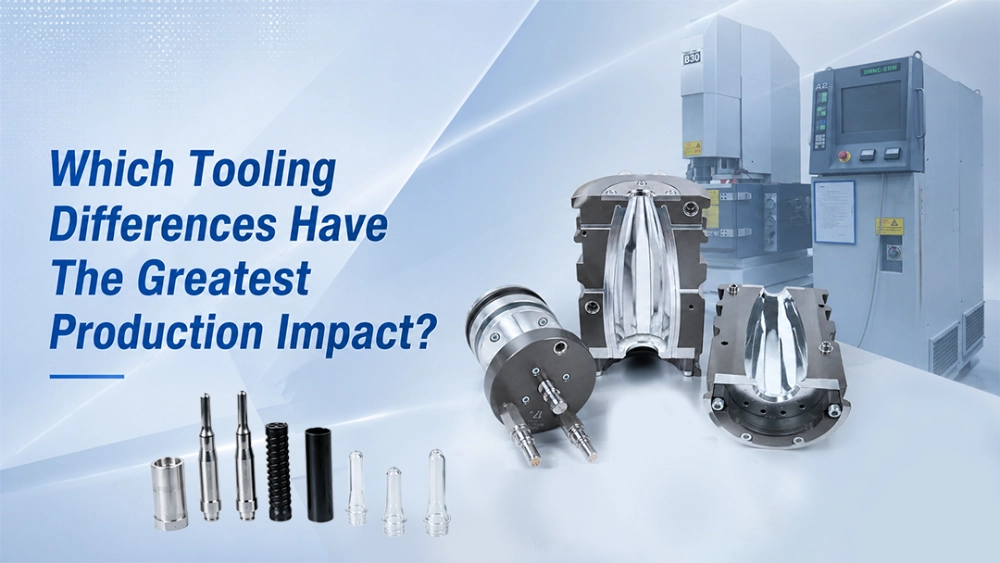
Mold Construction Reflects Different Forming Processes
An injection mold receives molten resin under pressure and distributes it among the preform cavities. It requires components for resin delivery, cavity filling, preform formation, cooling, and release.
A blow mold uses air to expand softened PET against a bottle-shaped cavity. Its design places more emphasis on bottle geometry, parting surfaces, base formation, venting, and cooling-channel layout. An injection mold therefore cannot replace a blow mold when the required output is a finished bottle.
Materials Depend On The Bottle Application
Material selection should reflect the filling process and machine requirements. BJY cold-fill blow-mold cavities use A6061 aluminum, while only some accessories are stainless steel. Hot-fill blowing molds use high-quality stainless steel because they operate under different thermal conditions.
For cavities designed to fit international equipment, BJY uses imported aluminum. Buyers should assess the filling temperature, cooling arrangement, bottle geometry, machine interface, and operating environment rather than specify one material for every application.
Thermal Management Uses Different Systems
A hot-runner system belongs to an injection or preform mold, not a blowing mold. Blow-mold thermal management concerns preform reheating and bottle cooling.
Heating settings are application-specific. A lightweight preform may need less heating, while a thick-wall or larger-volume bottle may require more power or longer heating. Apparent heating defects can also result from moisture in the air or excessive stretching. For cooling, water is commonly used, but system capacity, flow conditions, and channel routing all affect performance.
How Should Buyers Choose Between The Two Mold Types?
The choice depends first on the input material and required output. Bottle format, filling conditions, machine configuration, and target production rate then determine the detailed specification.
Start With The Required Production Stage And Output
Choose an injection or preform mold to manufacture PET preforms from resin. Choose a blow mold when suitable preforms are already available and the required output is a finished bottle.
Before requesting tooling, define the bottle volume, preform weight, neck finish, filling process, cavity count, and target production rate. Facilities operating both stages should review the preform and bottle specifications as one connected program rather than buy each tool in isolation.
Match The Mold To The Bottle And Filling Process
Water, carbonated beverage, edible-oil, cold-fill, hot-fill, and aseptic containers can have different requirements for geometry, heating, pressure, cooling, and mold materials. Larger or thicker-wall bottles may also need different process conditions from smaller formats.
The 1000ml Blow Mold is documented with a 1000 ml target volume, high-grade extruded aluminum rods, industrial-grade hard anodizing, and compatibility with high-speed blow-molding machines. The 300ml Aseptic Blow Mold is a smaller-format aseptic project reference. Drawings are required for either format to confirm interfaces, neck finish, cooling layout, and approved material.
Check Machine Compatibility Before Finalizing Tooling
Bottle volume alone does not confirm compatibility. The supplier also needs the machine configuration, mold dimensions, mounting arrangement, cavity count, neck finish, cooling connections, and expected production speed.
Machine interfaces and utility connections should be checked against project drawings. This helps prevent unsuitable mounting, mismatched cooling connections, or tooling that matches the bottle volume but not the production equipment.
What Should A Buyer Include In A Mold Request?
A complete request distinguishes blow-mold requirements from injection-mold requirements and gives the tooling supplier enough information for a practical review.
Provide Complete Bottle And Preform Specifications
Submit bottle drawings or samples, target volume, resin, preform weight, neck finish, filling method, wall-distribution priorities, and cavity requirements.
For an injection-mold request, include the preform dimensions, hot-runner requirements, and injection-machine information. For a blow-mold request, provide the bottle geometry, machine details, heating arrangement, stretch-rod control method, and available cooling conditions.
Define Operating Conditions And Quality Priorities
State the expected production speed, downtime concerns, bottle-weight consistency requirements, visual criteria, base-performance needs, and filling-line conditions. Include cooling-system capacity and water-flow information, since channel design alone does not determine cooling performance.
Troubleshooting should consider the complete process rather than automatically attributing defects to the mold. Maintenance schedules depend on factory practice and production conditions, with cleaning performed weekly or monthly as appropriate.
Confirm Customization, Review, And Conditional Timing
Before manufacturing begins, review the drawings, neck-finish data, machine interfaces, selected materials, cooling layout, and application requirements.
Custom preform molds take at least six weeks. Other custom items generally take 15–25 days, while stocked connector parts may ship more quickly. Actual timing remains conditional on specifications, design approval, current workload, and customization scope.
Foshan Baijinyi Precise Technology Co., Ltd. can review bottle or preform specifications, the filling process, machine configuration, cooling conditions, and expected output. Buyers can submit drawings and production requirements for a project-specific tooling assessment.
FAQ
Can The Same Mold Produce Both PET Preforms And Finished Bottles?
No. An injection mold forms PET resin into preforms, while a blow mold shapes reheated preforms into finished bottles. A producer managing both stages normally needs separate tooling and compatible equipment for each process.
Does A Blow Mold Use A Hot-Runner System?
No. A hot-runner system is used with injection or preform molds to deliver molten resin to the cavities. A blow mold works with heated preforms, using air-driven expansion followed by cooling.
What Information Does BJY Need To Evaluate Mold Compatibility?
BJY needs bottle and preform drawings, neck-finish data, resin and preform weight, filling method, machine configuration, mold dimensions, mounting details, cavity count, cooling connections, production speed, and relevant operating conditions. These details clarify the difference between blow-mold and injection-mold requirements and support an accurate compatibility review.