

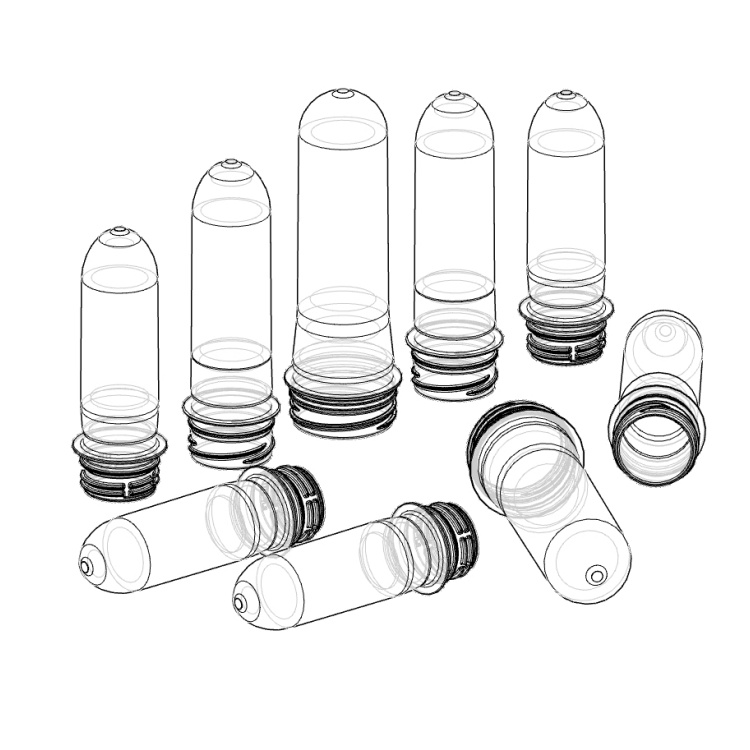
Key Temperature Settings Every PET Injection Molder Should Know
The temperature settings in PET injection molding might not sound like the most exciting subject at first glance. But anyone who has run a production line knows that the smallest shift in heat can mean the difference between a clear, strong preform and a cloudy reject that goes straight into the scrap bin. PET (polyethylene terephthalate) is widely used in bottles, jars, and containers, so manufacturers feel constant pressure to keep molding conditions stable. Getting the numbers right—melt temperature, mold temperature, hot runner balance—saves money and headaches down the line.
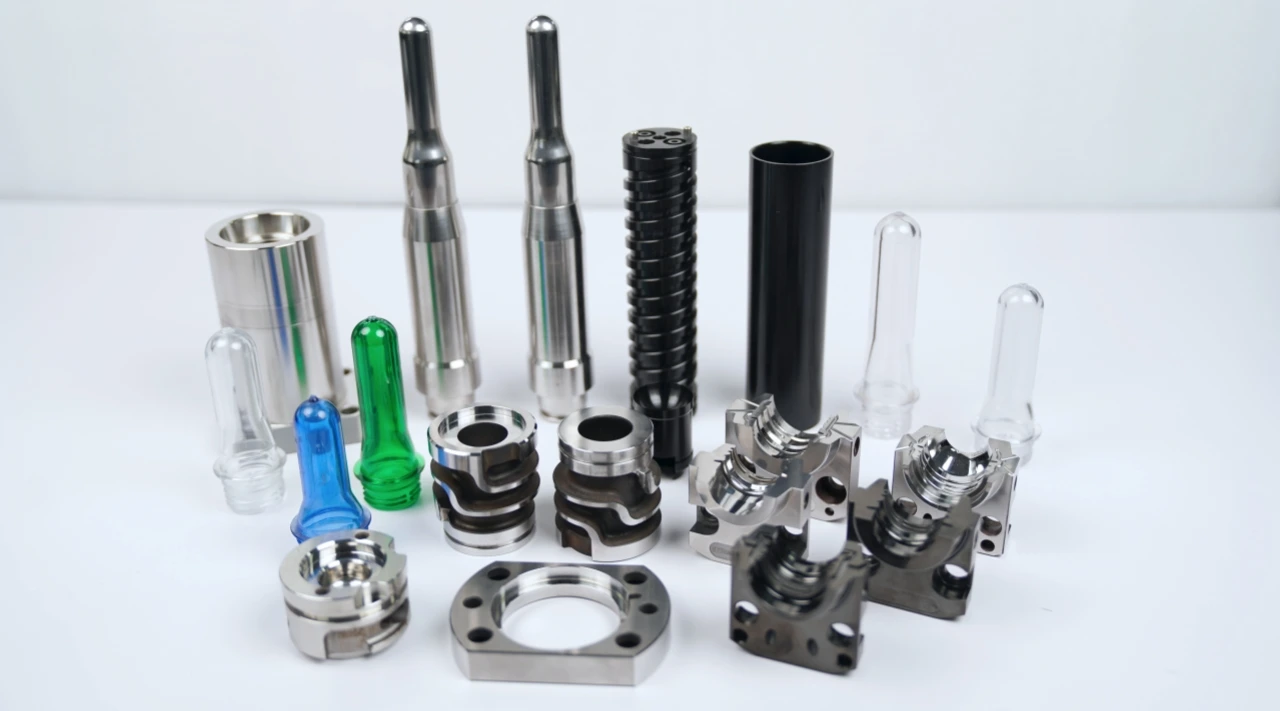
At BJY, we’ve spent years supplying critical components like Lock Rings, Mold Cores, and Gate Inserts. These are not just spare parts; they are the backbone of temperature control in any PET molding setup. Let’s look closer at the key settings every injection molder should know.
What Is the Recommended Melt Temperature for PET
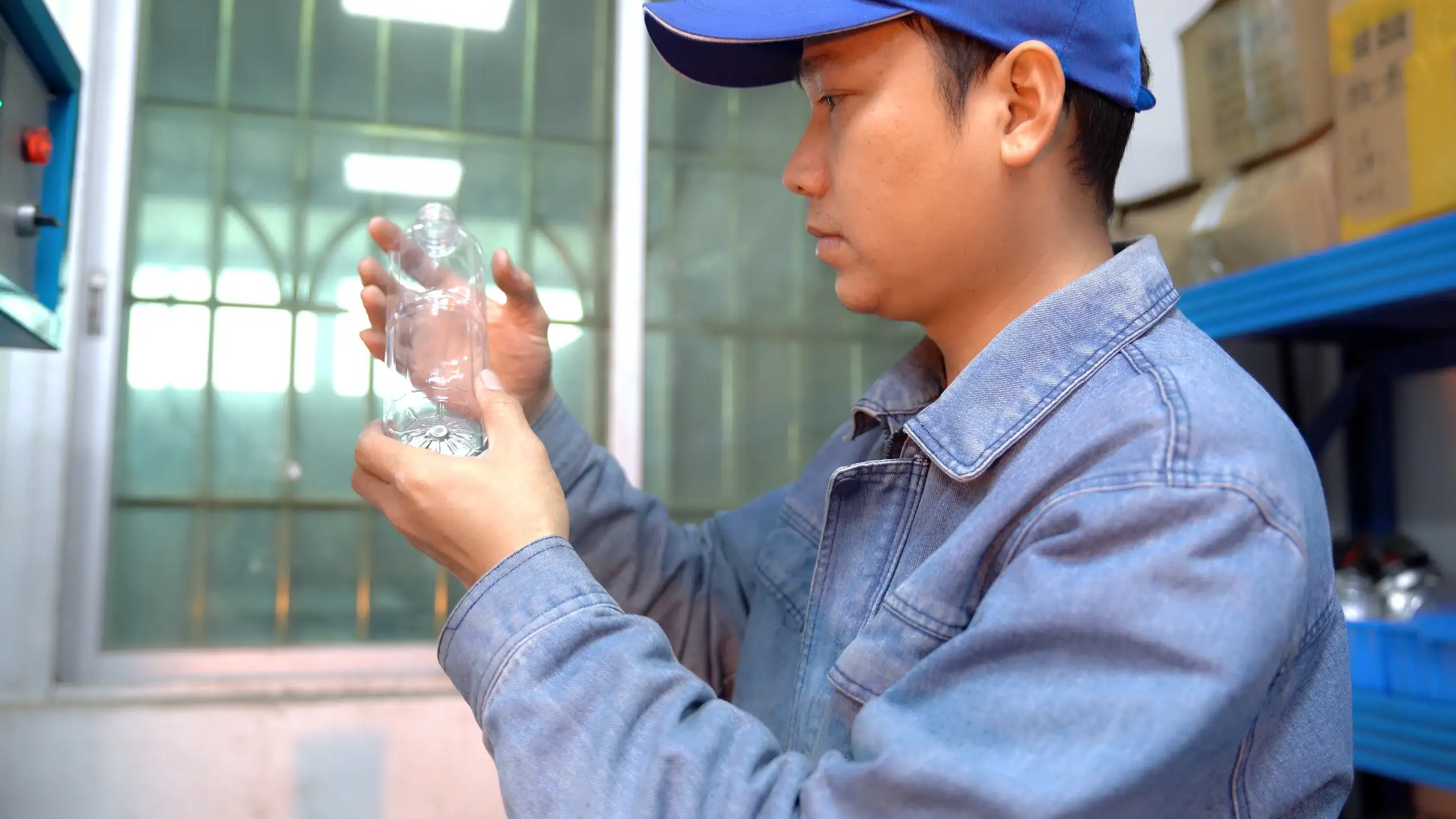
Finding the right melt temperature is the first step toward a stable PET molding process. The resin must be heated enough to flow smoothly but not so high that it degrades. It’s a balancing act that every technician learns quickly on the shop floor.
Proper Heating Range for Stable Flow
Most processors keep PET melt temperature between 270°C and 290°C. Below that, the resin may not flow evenly; above that, it starts to degrade and discolor. Think of it like cooking sugar—too cold and it stays lumpy, too hot and it burns. A stable melt temperature keeps preforms flowing smoothly into the mold without surprises.
Impact of Melt Temperature on Preform Clarity
PET’s appeal comes from its clarity. Raise the melt temperature too much and acetaldehyde formation increases, giving bottles a yellowish tint. Nobody wants their water bottle looking like it’s been sunbathing for a week. Keeping to the sweet spot in the range protects transparency and taste.
Relation Between Melt Temperature and Mold Core Durability
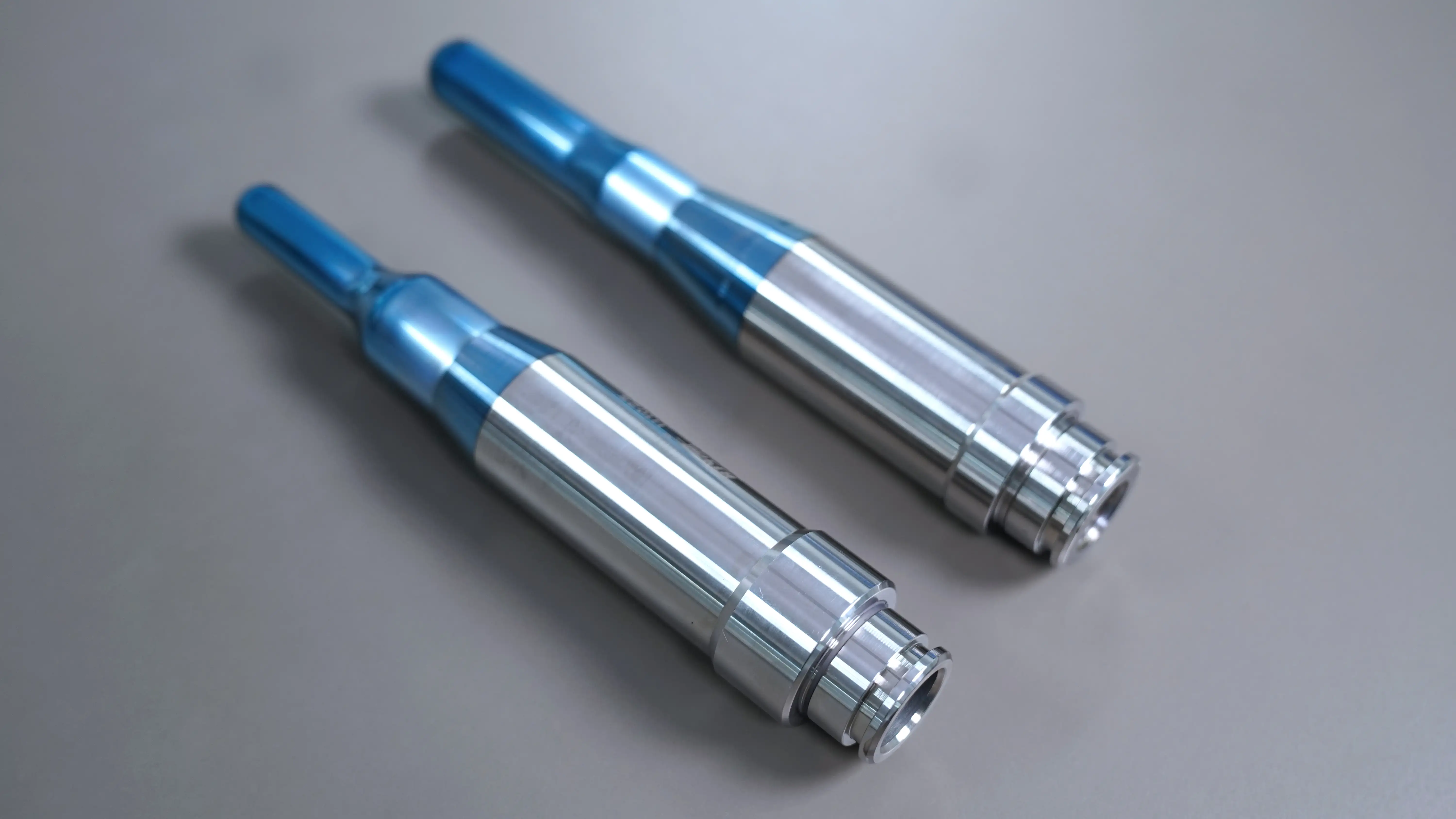
Here’s where hardware matters. High heat stresses the Mold Core, which handles repeated cycles under pressure. A precision core made with hardened steel holds its shape and transfers heat consistently, reducing uneven cooling. This means fewer defects and longer running time before maintenance.
How Does Mold Temperature Affect PET Injection Quality
Even if the melt temperature is correct, mold temperature can make or break quality. Mold surfaces directly touch the molten PET, so small changes quickly show up in the final preform.
Temperature Balance Between Core and Cavity
It’s not just about the barrel temperature. The mold itself should sit around 10–30°C, depending on the design. If the cavity is colder than the core, you’ll see warpage or stress marks. Balancing both sides gives the preform its proper dimensions.
Effect on Crystallinity and Transparency
PET can crystallize if cooled too slowly. A warmer mold surface may improve strength but can cloud the product. On the other hand, too cold a mold freezes the melt too fast. Operators often run tests over a week to find the best compromise for their specific bottle design.
Role of Mold Temperature in Preventing Defects
Short shots, sink marks, or whitening often trace back to mold temperature issues. Simple adjustments—sometimes just 2 or 3 degrees—can save hours of troubleshooting. It’s not glamorous work, but it pays off.
Why Is Hot Runner Temperature Control Important
The hot runner keeps the melt flowing into the mold. If it runs too hot or too cold, the entire cycle is disrupted. Good hot runner management protects not only product quality but also mold components.
Consistent Gate Insert Performance
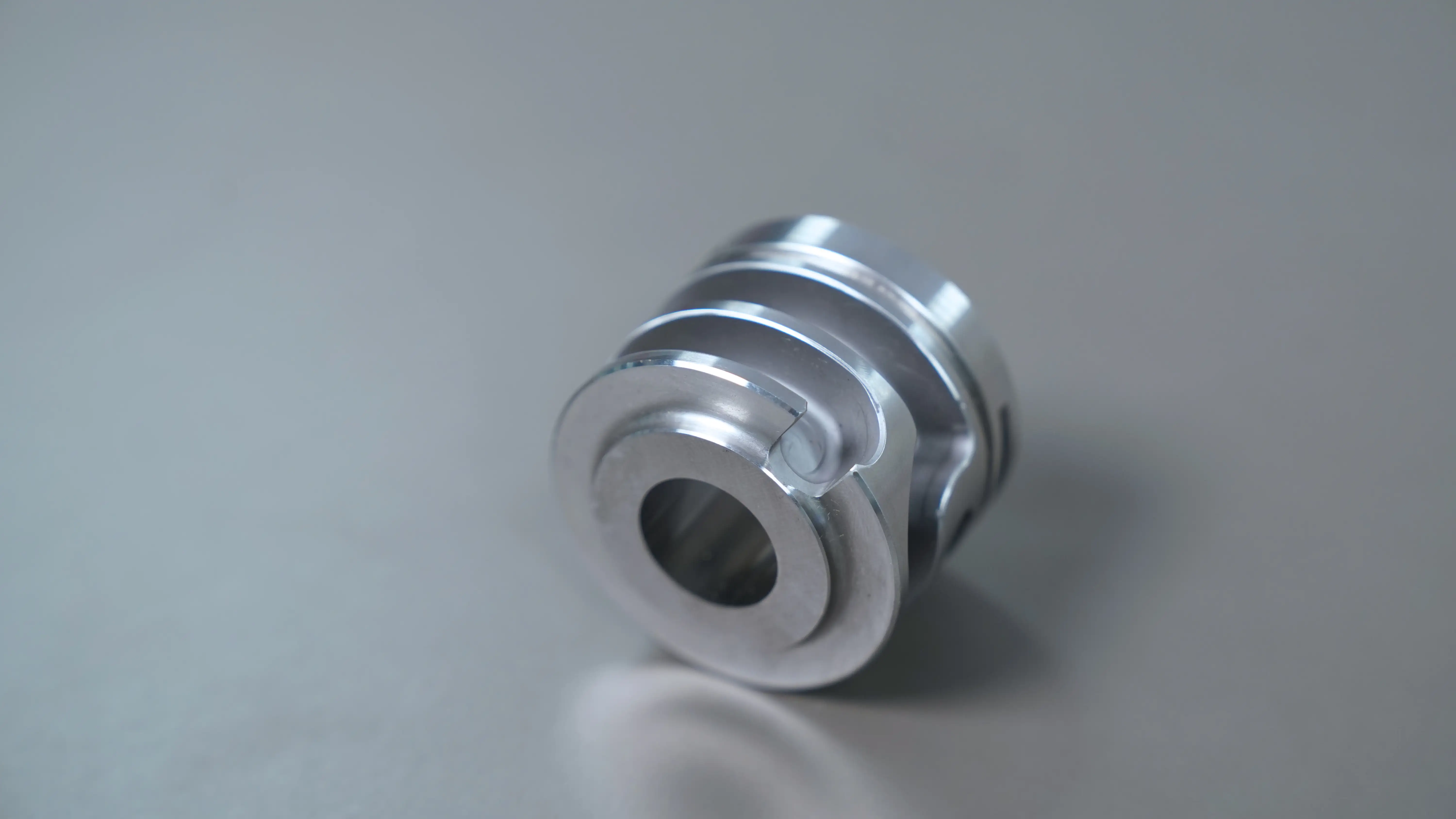
The gate is the bottleneck of the system. A poorly controlled hot runner overheats the Gate Insert, leading to wear and flash. A stable hot runner keeps the insert working longer and avoids blockages.
Reduced Stress and Deformation in Preforms
Ever pulled a preform that looked like it had been squeezed at one end? That’s usually gate overheating. Controlled hot runner temperatures spread the heat evenly, preventing built-up stress.
Longer Service Life of Injection Mold Components
Overheated runners shorten the lifespan of every component. By keeping things in check, companies extend the service cycle of parts like gate inserts and mold cores. BJY’s hardened steel designs are built for this environment—they don’t quit after a few runs.
What Temperature Factors Influence Cooling Time
Cooling time affects cycle length, product accuracy, and production costs. In PET molding, cooling usually takes more time than filling or packing, so it’s worth paying attention.
Cooling Speed and Dimensional Accuracy
Cooling is where cycle time gets won or lost. Cool too fast, and the surface solidifies before the inside, causing internal stress. Cool too slowly, and you’ll bottleneck production. The sweet spot often lies between 15–25 seconds for standard preforms.
Uniform Heat Dissipation Around Lock Ring
The Lock Ring may look simple, but its fit controls how heat leaves the system. A precise lock ring allows even clamping and smooth heat flow across the mold. Without it, one side cools faster than the other, causing misalignment.
Optimized Cycle Time for High Productivity
This is where managers get nervous—every second of cooling time adds up to hours across thousands of cycles. A well-tuned temperature setup cuts wasted seconds, boosting output without adding more machines.
img.well-tuned temperature setup.webp
How Can Incorrect Temperature Settings Cause Defects
Even small mistakes in temperature control often show up as visible defects. Preforms that look fine at first can fail later in production, costing more in returns or rework.
Common Issues Like Flashing and Warpage
Run too hot and flash appears around the edges. Run too cold and warpage sets in. Operators sometimes joke that PET molding is like babysitting—constant attention is required or something goes wrong.
Overheating Damage to Mold Core and Inserts
Heat that’s too high damages the mold core surface, causing pitting or cracks. Gate inserts also wear faster. This isn’t just theoretical; we’ve seen customers cut component life in half by running at the wrong temperatures for just a few months.
Uneven Shrinkage Leading to Poor Bottle Quality
Imagine a bottle that looks fine on the outside but doesn’t fit its cap properly. That’s often shrinkage caused by uneven temperature distribution. Customers notice these flaws quickly, especially in food and beverage packaging.
img.beverage packaging.webp
What Is the Relationship Between PET Temperature and Energy Efficiency
Energy efficiency is a hidden factor in molding. Correct temperature settings not only protect product quality but also lower costs over the long run.
Lower Energy Use Through Stable Temperature Control
Stable heat settings save electricity. If heaters cycle up and down all day, energy costs spike. Holding steady reduces consumption.
Reduced Downtime by Avoiding Overheating
When machines overheat, they stop. That downtime costs far more than the extra electricity. Keeping consistent temperatures lowers the chance of emergency shutdowns.
Improved Overall Equipment Efficiency
Production managers measure efficiency in “good parts per hour.” Correct temperatures deliver more good parts, fewer rejects, and less downtime. Over weeks, this adds up to real numbers on the balance sheet.
How Do BJY Mold Components Support Precise Temperature Control
Components are the unsung heroes of injection molding. Without durable and accurate parts, even the best temperature control strategy falls apart.
High-Strength Lock Ring for Stable Heat Resistance
BJY’s Lock Ring is machined for tight fit and durability. It keeps the mold secure under heat and pressure, which means fewer leaks and smoother cycles.
Precision Mold Core Ensuring Consistent Temperature Transfer
The Mold Core is engineered for excellent heat transfer. Its polished surfaces help PET flow evenly, avoiding hot spots. Operators notice the difference when cycle times drop.
Durable Gate Insert Designed for Long-Term Thermal Stability
The Gate Insert is hardened to resist erosion from molten PET. With proper thermal runner control, it can be used for several cycles to maintain a stable temperature distribution.
FAQs
Q1: What happens if PET molding temperature is too high?
Overheating degrades PET, leading to discoloration, acetaldehyde buildup, and shorter component life. It can also increase reject rates.
Q2: How do I know if mold temperature is unbalanced?
Look for warpage, whitening, or uneven shrinkage in preforms. Measuring cavity vs. core temperatures helps confirm the imbalance.
Q3: Why invest in premium components like BJY’s mold cores or gate inserts?
High-quality parts maintain stable temperature transfer, resist wear, and extend production cycles. Over time, they cut maintenance costs and improve overall efficiency.