Welcome to BJY
Product / OEM Machinery parts / BJY 66*7.8mm Stopper
BJY 66*7.8mm Stopper

BJY 66*7.8mm Stopper

Product Introduction

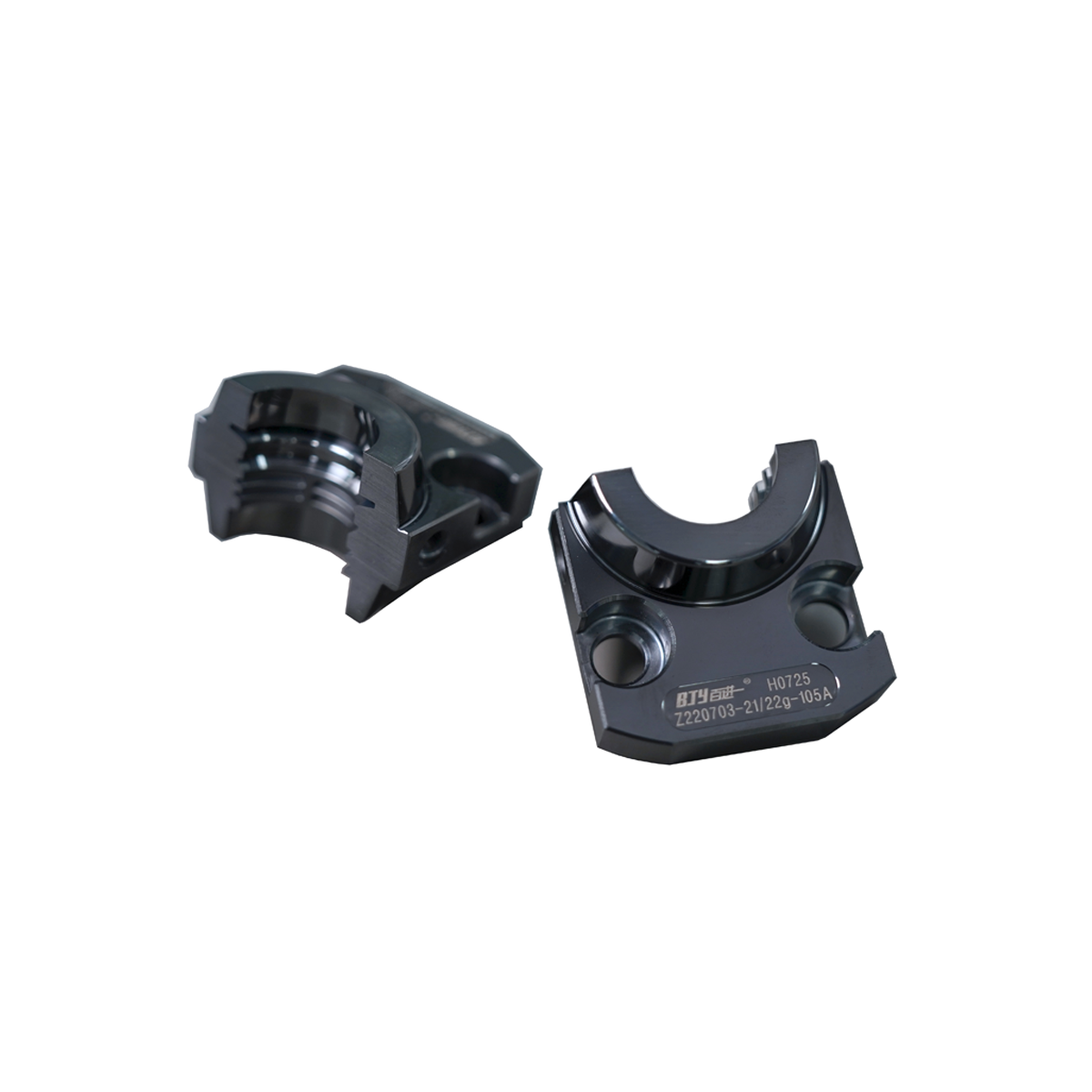
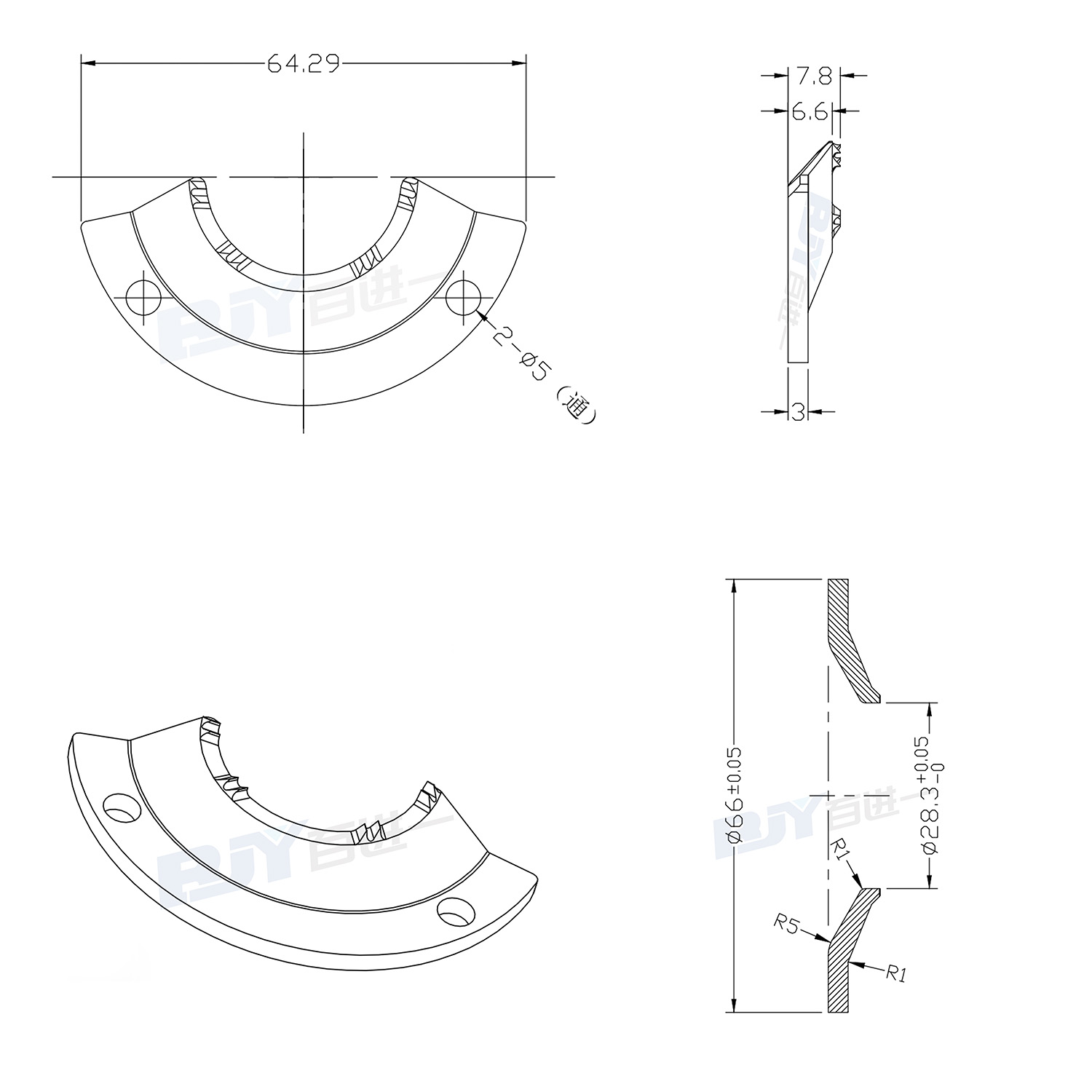
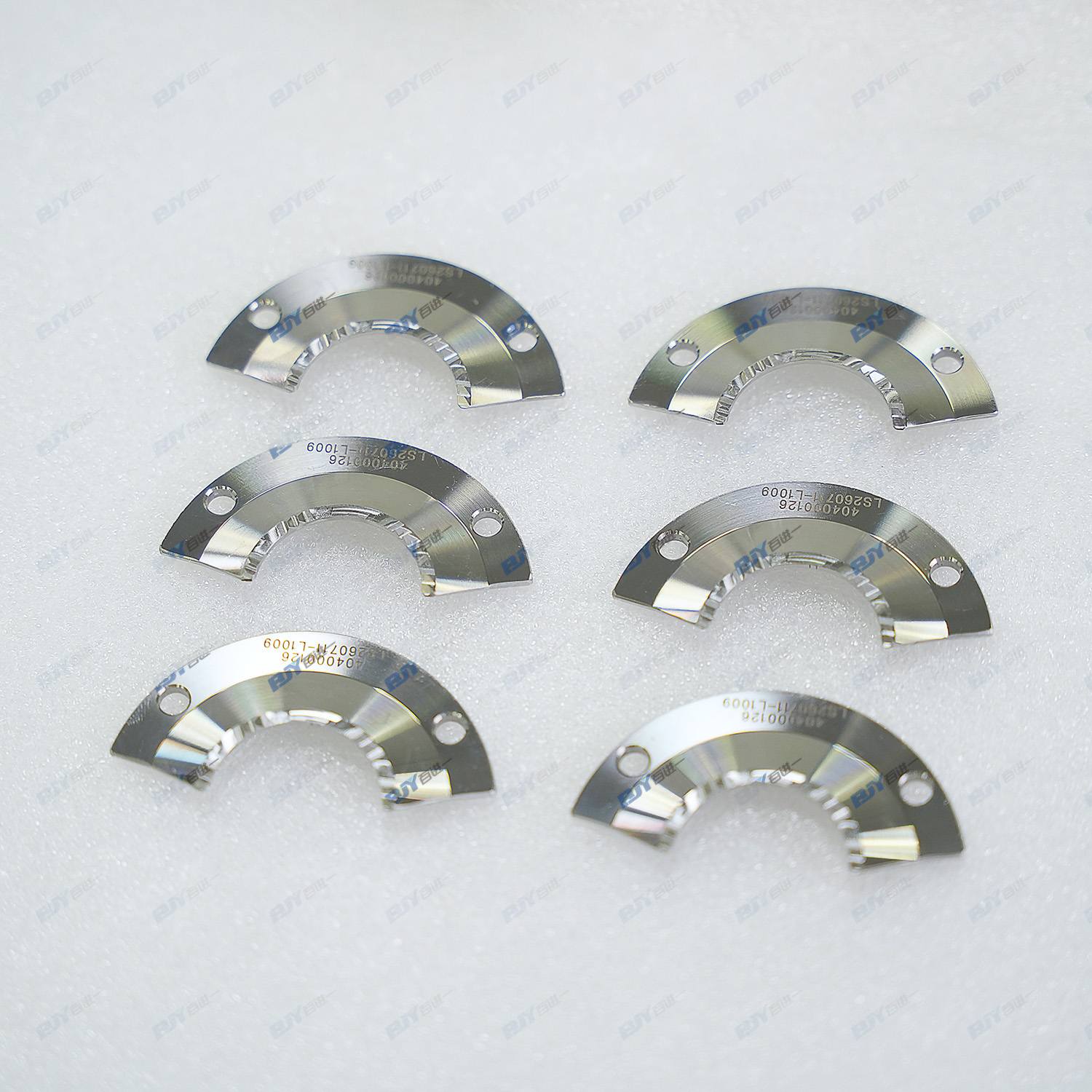
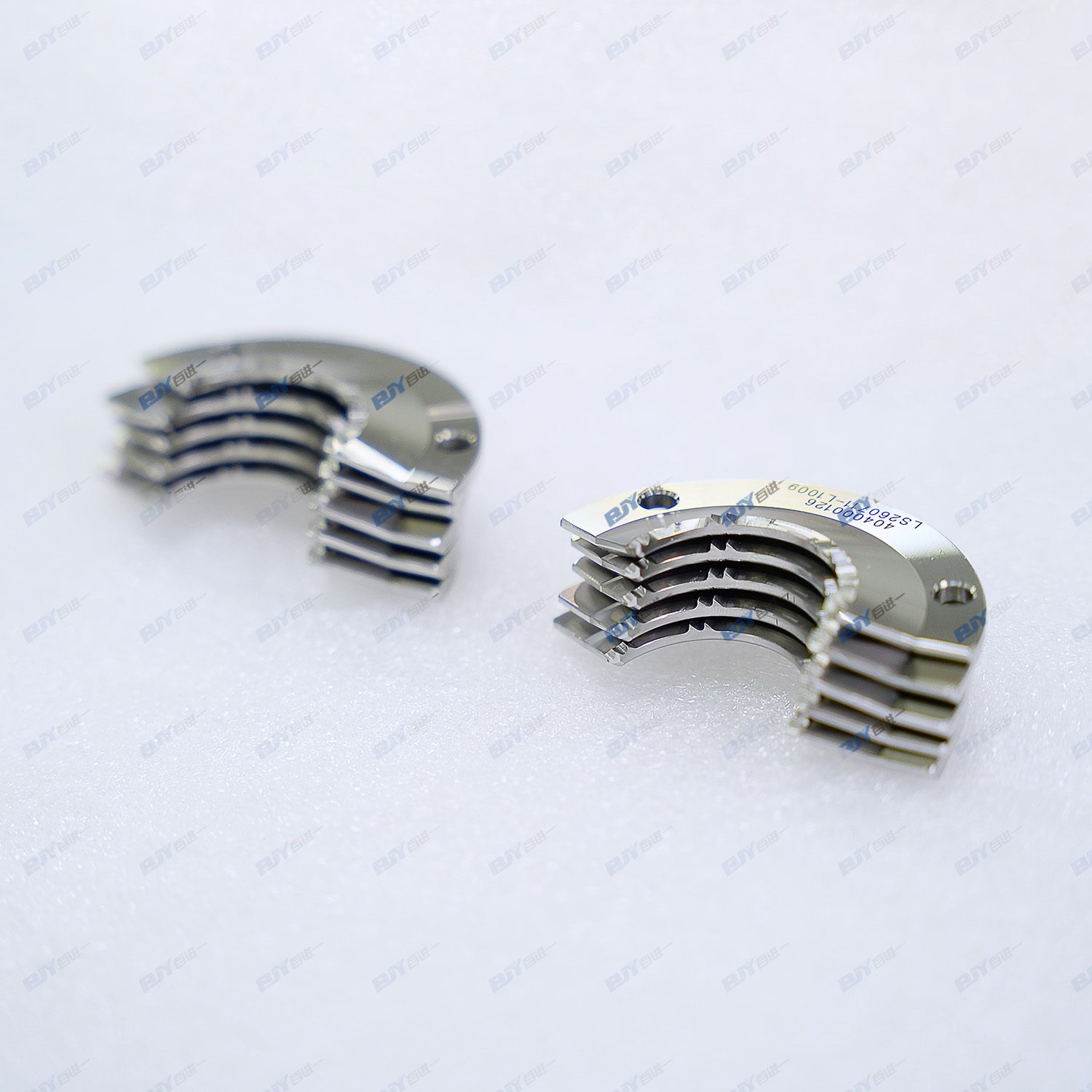
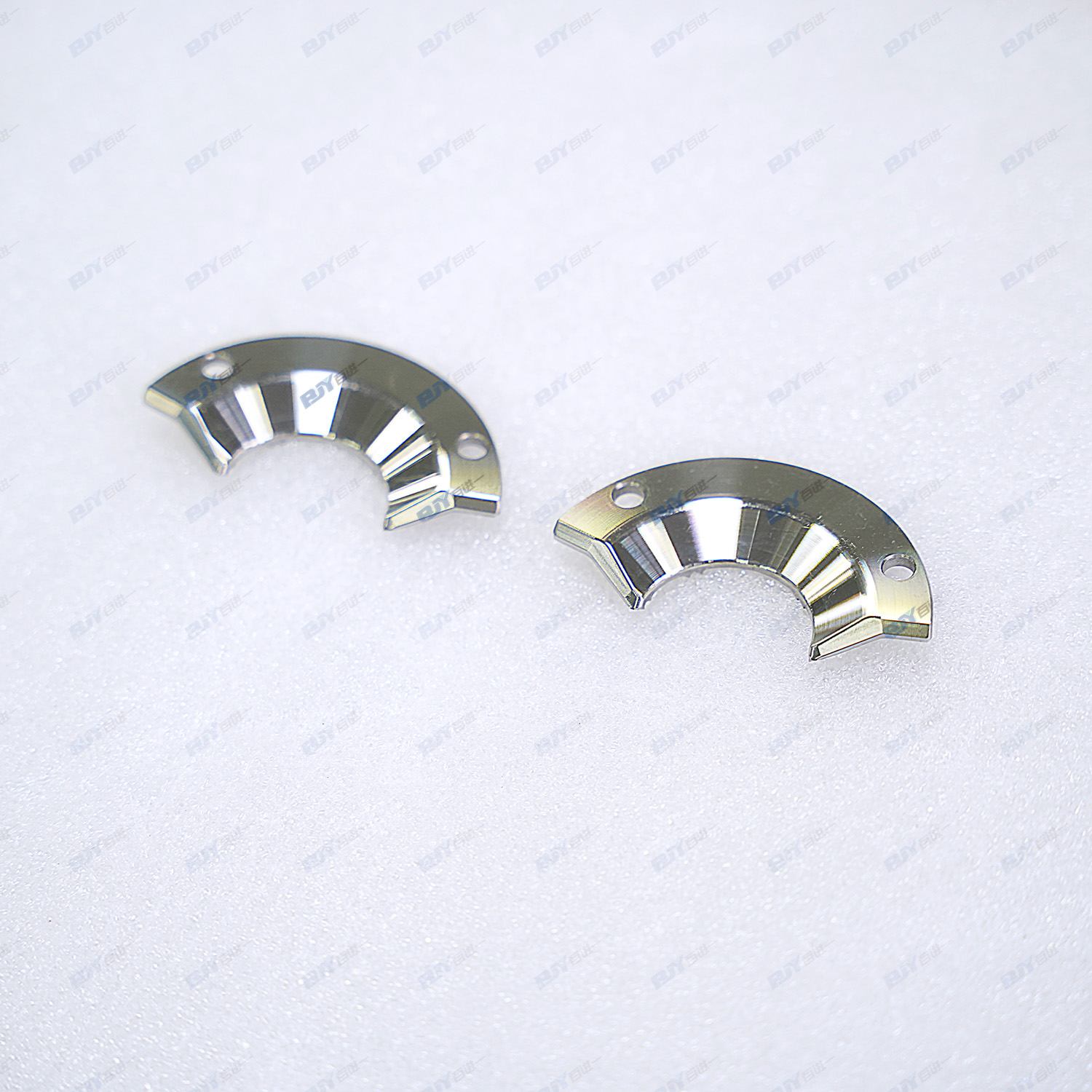
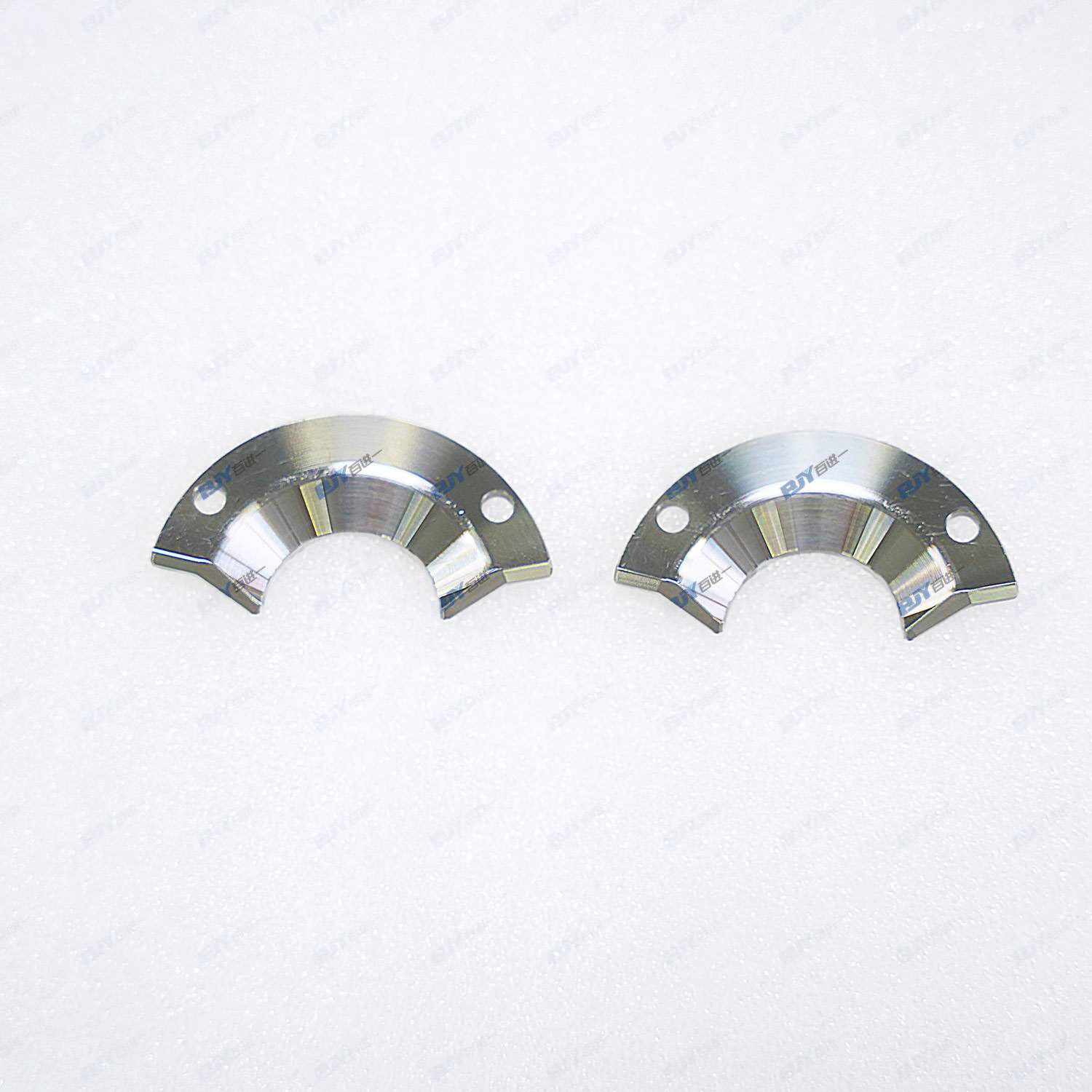
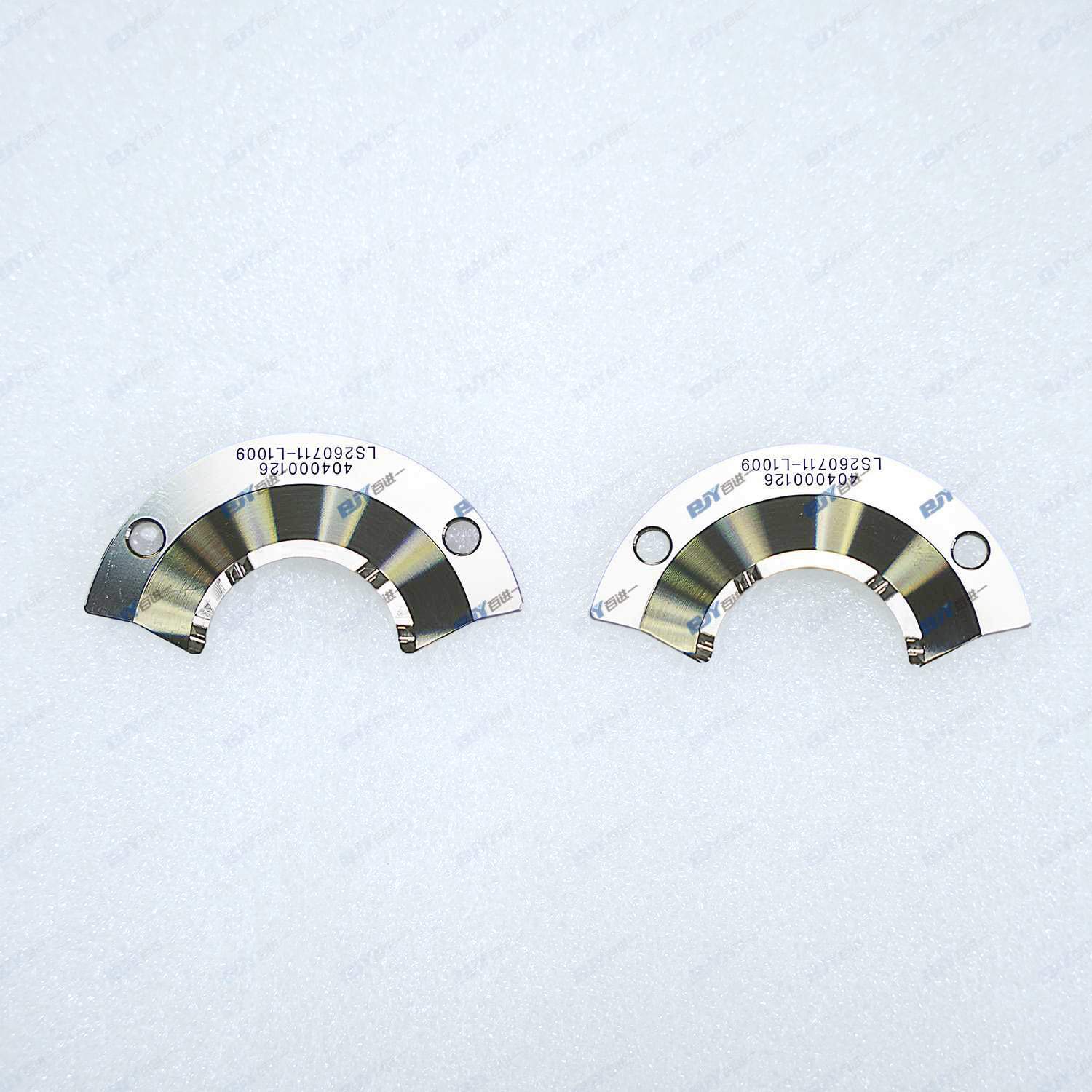
The BJY stopper measures 66 x 7.8 mm. BJY machines it from high-strength stainless steel. The face that works against the bottle is hardened to HRC 53. Stainless steel keeps its surface sound where product and rinse water reach the part. HRC 53 keeps the working edge in shape over long production runs. Each stopper is machined in our own workshop. Every part is checked before packing. The result goes into the production record, where a repeat order can be compared with the first one.


Product Details

Item

Details

Product name

Stopper

Function

Support the PET bottle by its support ring  that the bottle does not turn while the cap is tightened

Application

Capping station of PET beverage filling lines

Size

66 x 7.8 mm

Material

High-strength stainless steel

Hardness

HRC 53

Liquid contact

Stainless surface does not rust where product or rinse water reaches the part

Machining

Working face and locating faces machined to one reference, in our own workshop

Inspection

Checked part by part before packing; result kept in the production record

Manufacturer

BJY


Stoppers do not break. They wear, slowly, and the line usually reports it first. Caps come out loose. Bottles start failing the torque check. A small leak shows up on the conveyor. The part we make measures 66 x 7.8 mm, in high-strength stainless steel, with a working face at HRC 53.

  • bjy-precision-machined-stopper.jpg

    Where the output goes


    A stopped line rarely means a bad capping head. The contact between stopper and support ring wears thin. The bottle then turns a little during capping. Caps finish looser than the machine expects. The torque check ejects them. Tracing that back to the stopper takes longer than swapping the part would have taken.


    Reading the working face


    Pull the stopper and hold the contact face under a light. A rounded edge shows the load has moved. A dent reads the same way. One bright patch on a dull surface is another sign. Dried product does equal damage. The ring ends up resting on residue instead of steel. Compare the two sides of the part. Uneven marks mean the stopper is not square to the bottle.

  • When to change it


    Fit a new stopper once the edge has lost its shape. Fit one also when rejects climb after a format change. HRC 53 keeps the edge working for a long time. No edge keeps its shape forever. A spare in the changeover kit saves most of the stop. It also keeps operators from tuning the capping head around a worn part.


    Write the date on it


    Put the line, the format and the fitting date on each part. A note like that pays off later. When rejects rise, an operator can see in a minute whether the older parts are the suspects. We machine these stoppers in our own workshop and check every one before packing.

    bjy-stopper-machined-surface-detail.jpg
Home
   
WhatsApp
Email
Contacts