Welcome to BJY
Product / PET Blowing Mold / BJY 780 ml PET Blow Mold
BJY 780 ml PET Blow Mold

BJY 780 ml PET Blow Mold

Product Introduction

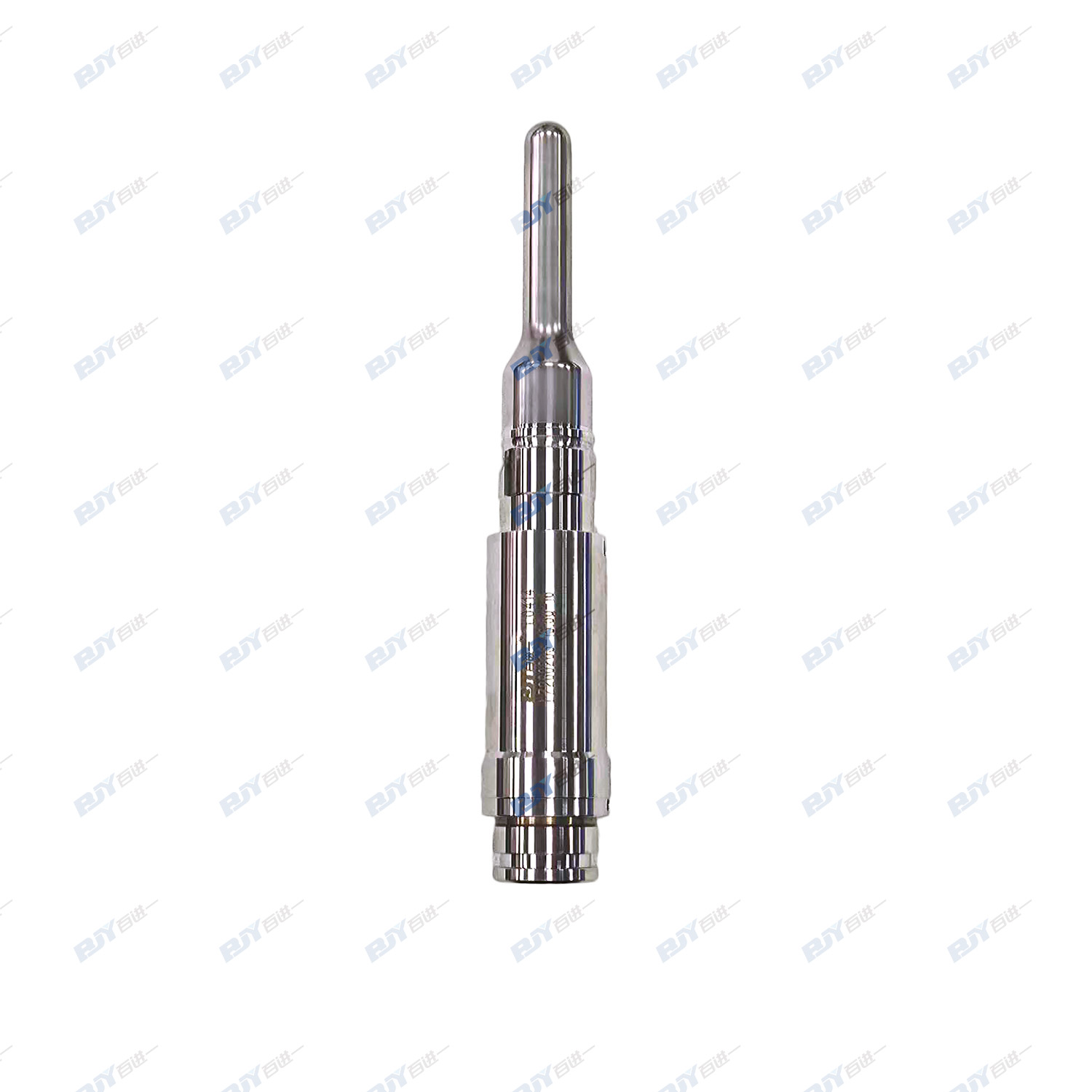
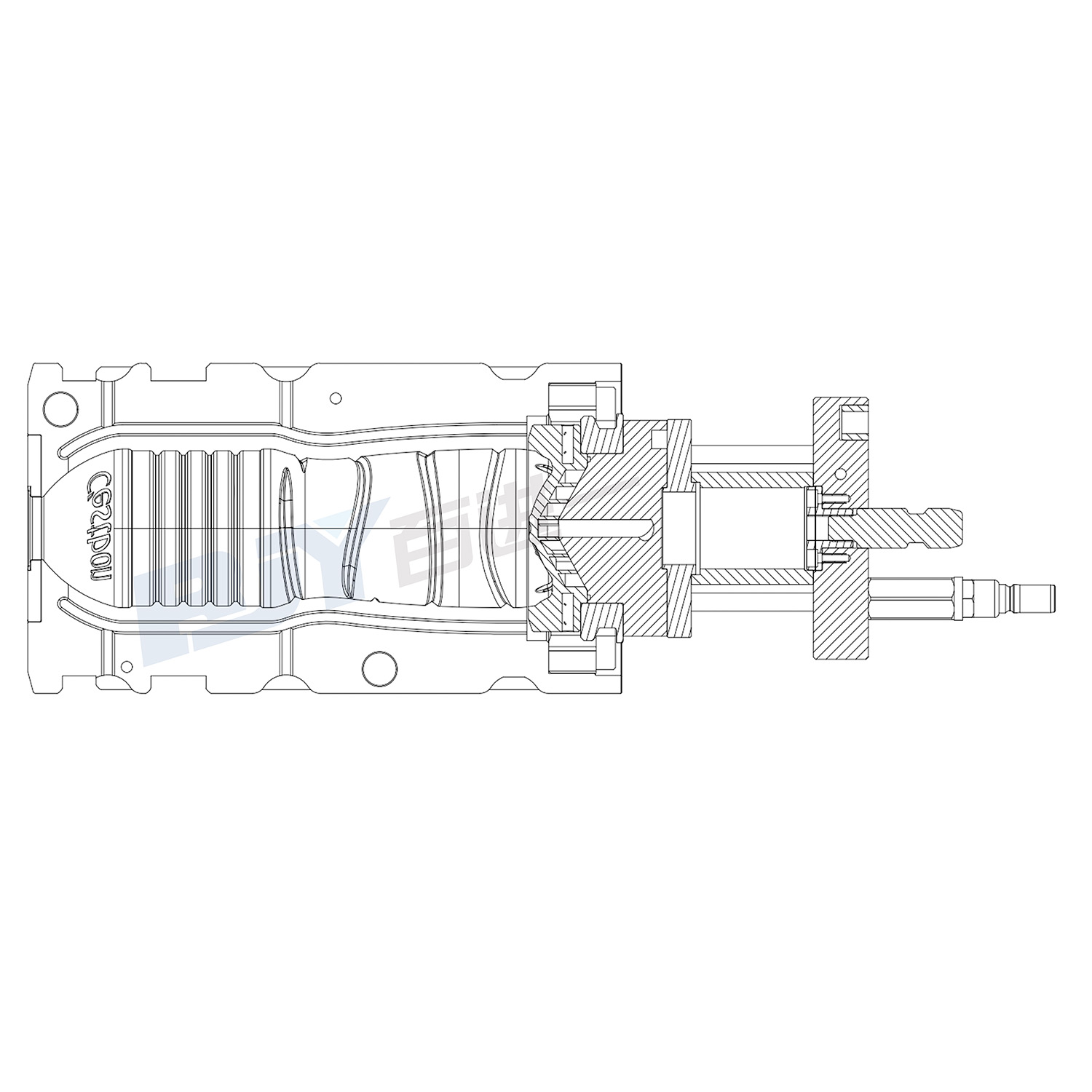
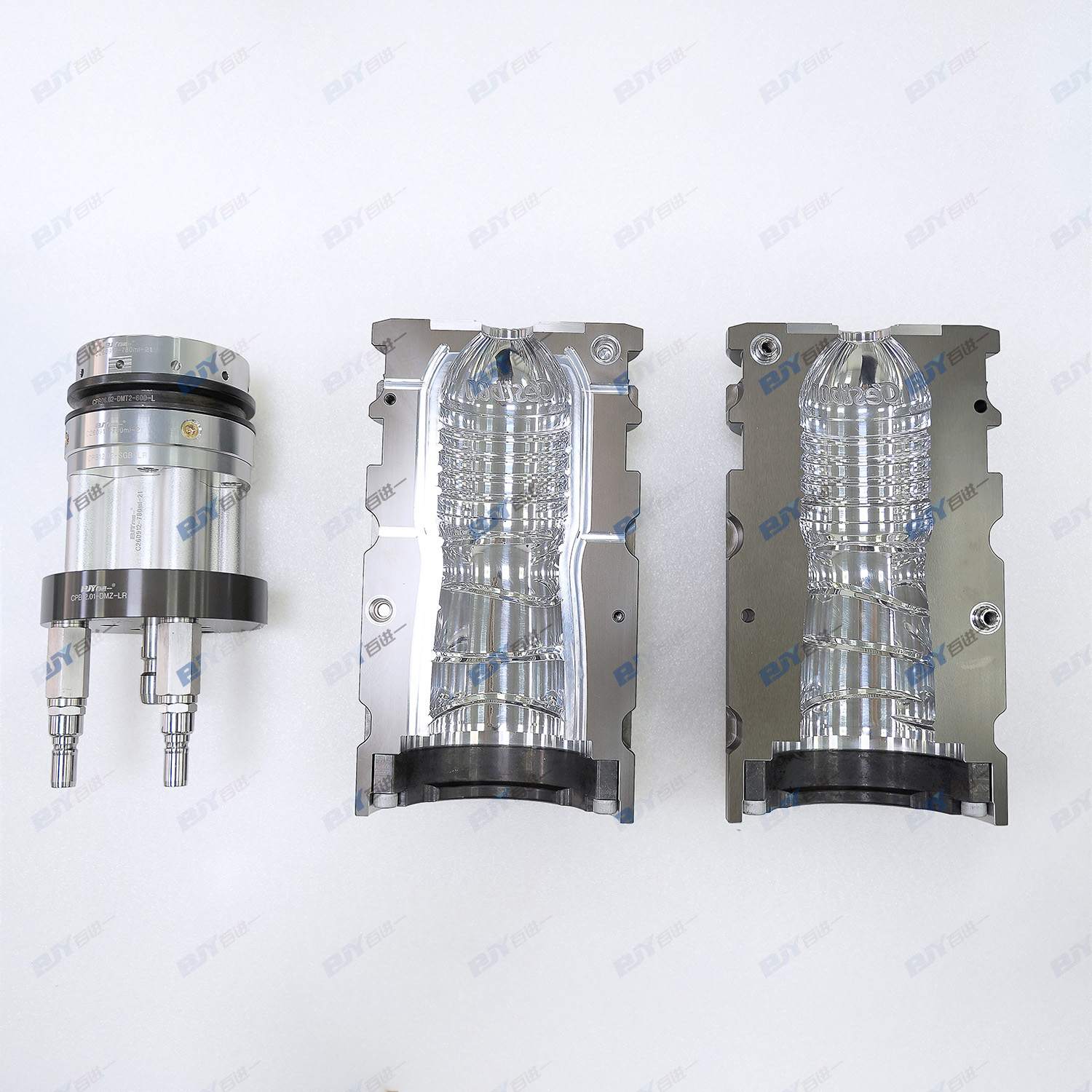
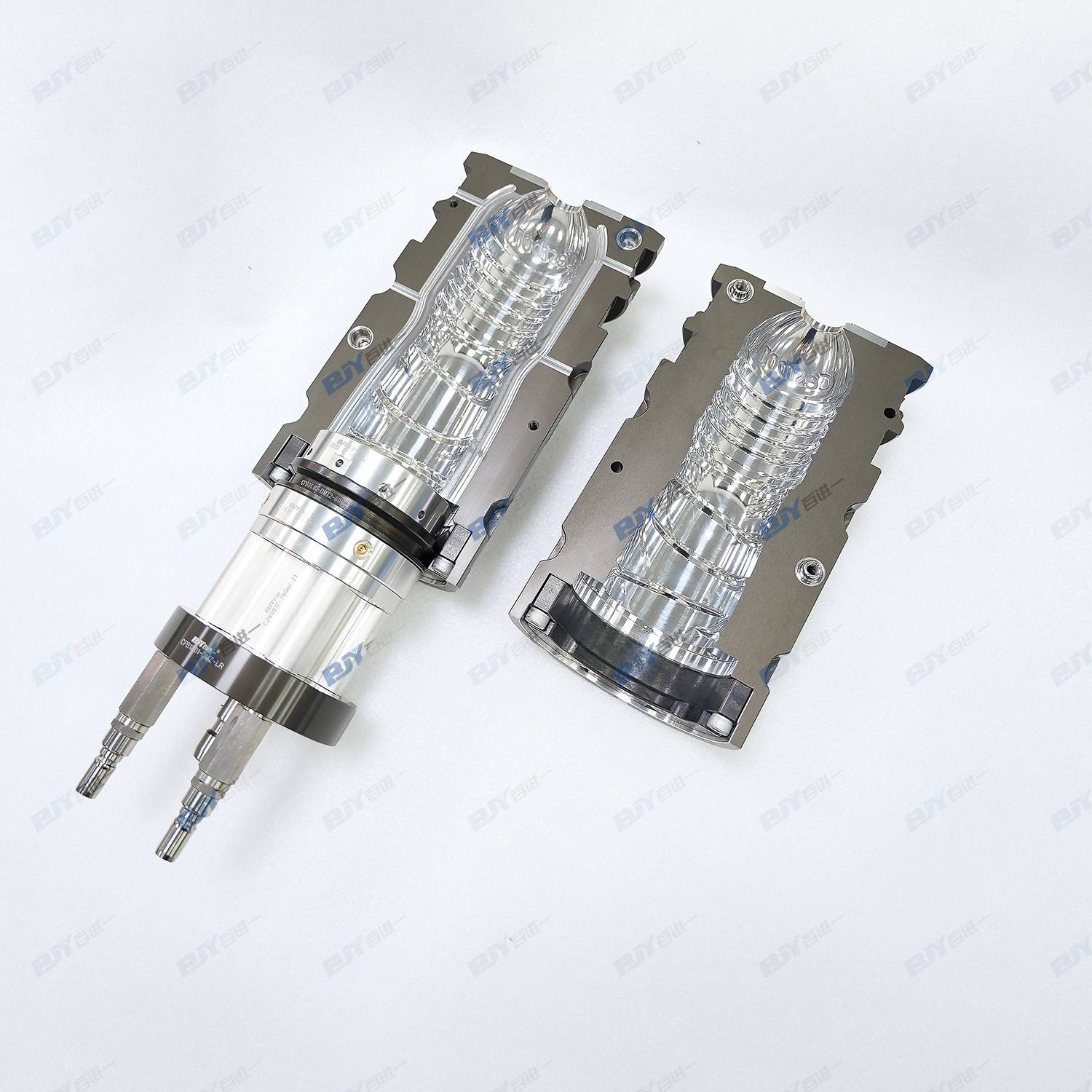
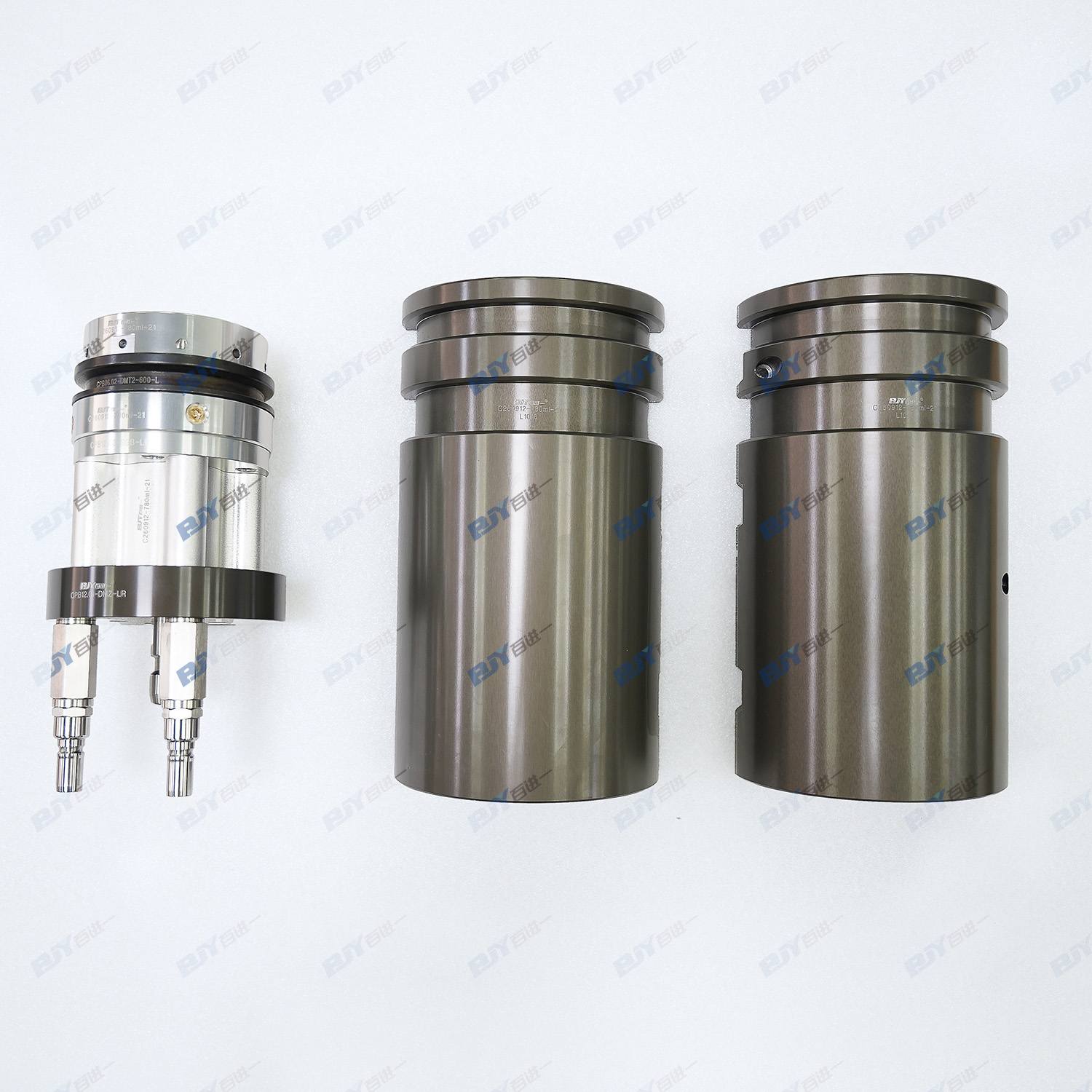
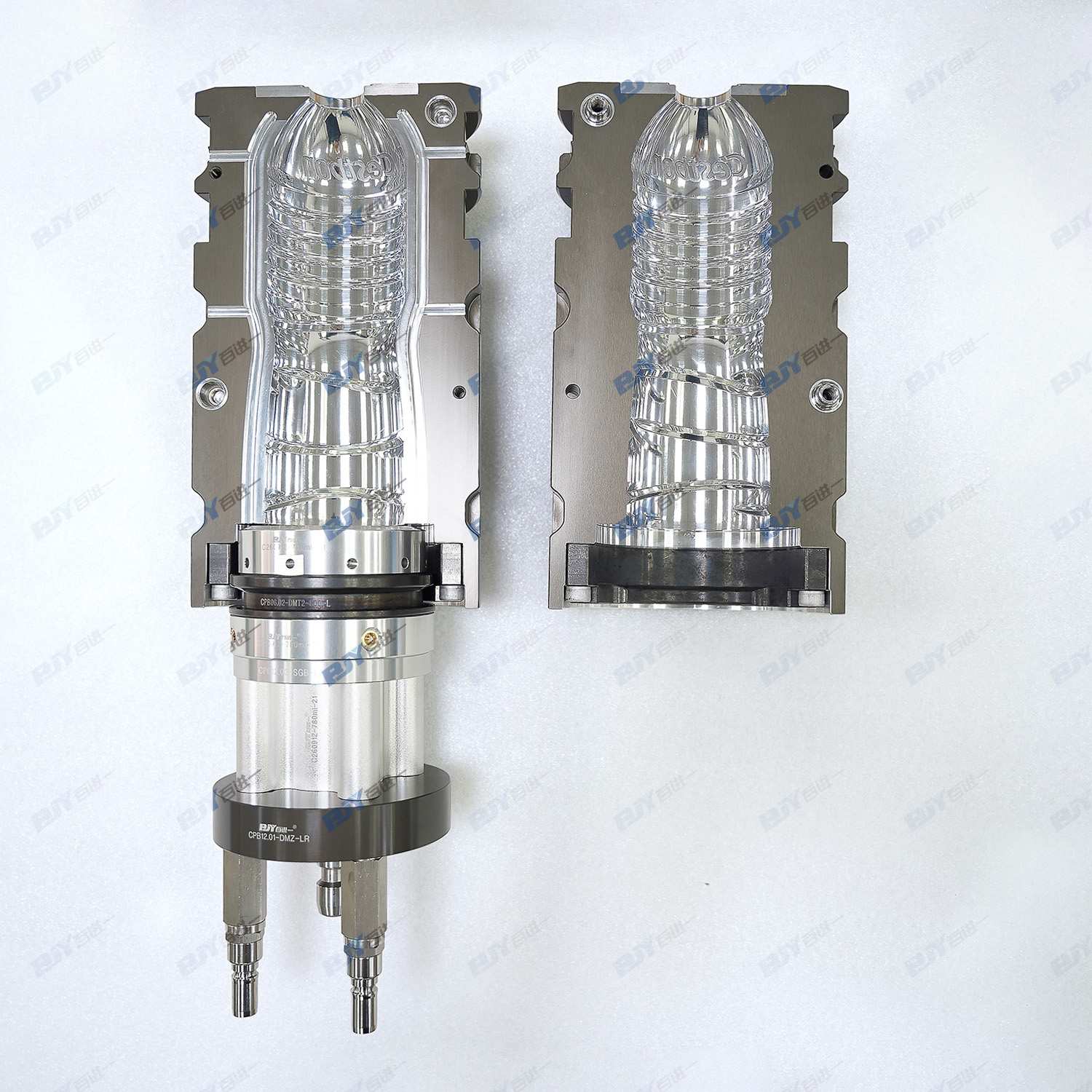
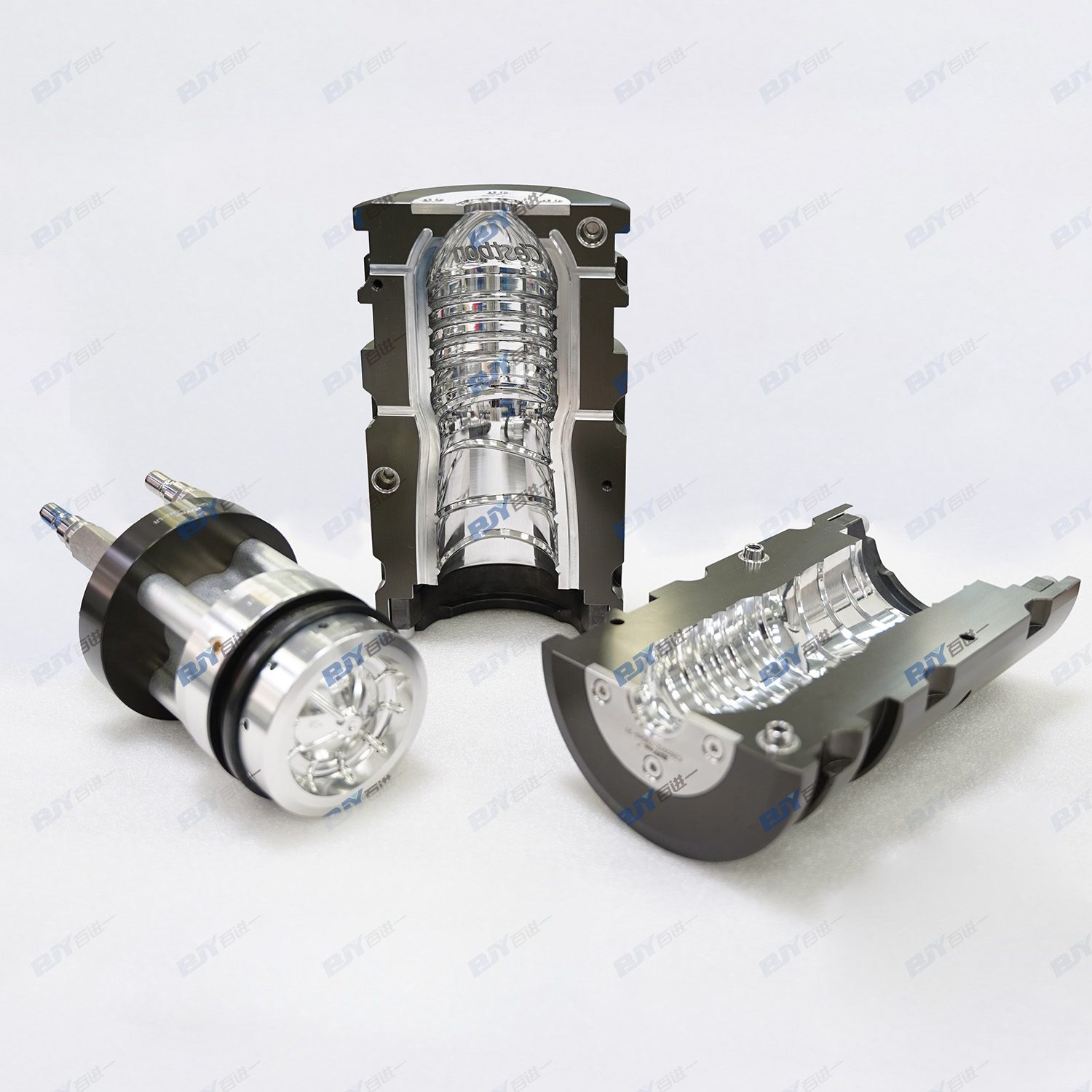
The BJY 780 ml mold is a single-cavity stretch blow mold for PET bottles. It is machined from 6061 aluminum, with a body of 150 x 382 mm, and it runs one bottle size at a time. The forming surface is polished to a mirror finish and left without coating, while the outer body is hard anodized for the handling that comes with repeated changeovers.


Product details


Item

Specification

Product type

PET stretch blow mold, single cavity

Bottle capacity

780 ml

Mold body size

150 x 382 mm

Body material

6061 aluminum

Cavity count

1

Forming surface

Mirror polished, no coating

Outer body surface

Hard anodized

Mounting

Machined to the blow molding machine named in the order

Pre-shipment check

Re-measured against the agreed values; records kept at the plant

Machining

In-house, Foshan, China

Company registration

2011

  • bjy-780ml-blow-mold-cooling-structure.jpg

    A Mold’s Cost Begins After It Is Installed


    The invoice is the easy part. What a beverage plant actually lives with is changeover time, stops caused by cavity wear or handling damage, and the labor that goes into keeping a mold in production condition. This 780 ml mold, made from 6061 aluminum at 150 × 382 mm, was laid out with those costs in mind. That matters most to plants running several bottle formats and swapping molds during the production week. The purchase decision is one day. The handling and maintenance go on.

  • Weight and Handling on the Bench


    For the same volume, 6061 aluminum alloy is lighter in weight. In a blow-molding room, that difference is not academic. Molds get lifted, aligned, and clamped by technicians, not by a dedicated crane. A lighter body takes some of the physical effort out of changeover. It also lowers the chance of nicking the cavity or sealing surfaces while moving the mold between storage and the machine. Those small dents and burrs have a way of showing up later as bottle defects. That sounds like a minor point until you are the one lifting the mold into place.

    bjy-780ml-pet-bottle-blow-mold-application.jpg
  • bjy-pet-blow-mold-hard-anodized-surface.jpg

    Surface Treatment and the Wear Profile of a Blow Mold


    A blow mold does not see the same abrasive load as an injection mold. It still sees plenty: repeated clamping, contact with the preform, cooling water, and release agents. The cavity surfaces here get a hard anodic layer to resist light wear and corrosion. That extends the period before re-polishing or repair. Where wear tends to show up, the mold uses replaceable interface components. A damaged insert can be exchanged without scrapping the whole cavity body.

  • Choosing BJY


    BJY is more than a mold supplier; we are your strategic partner in production line optimization. We incorporate quick-change considerations into our cavity design to simplify routine maintenance and production line changeovers, reducing downtime. Choosing BJY’s solid aluminum molds is a smart strategic investment for beverage manufacturers looking to improve overall equipment effectiveness (OEE) and reduce long-term operating costs. We are committed to creating lasting business value for our customers.

    bjy-6061-aluminum-blow-mold-body.jpg
Home
   
WhatsApp
Email
Contacts