

Blow Molding vs Injection Molding: A Practical Guide for Plastic Packaging Buyers
Launching a fresh plastic container effort means you face an early key challenge in picking the right manufacturing method for your exact demands. The discussion on blow molding vs injection molding goes far beyond basic machine actions; it touches directly on your output pace, piece shape, and ultimately, your overall expenses. A poor selection might cause your company heavy extra costs or yield items that completely miss trade rules. This comprehensive guide explains these main options to aid your smart spending choices.
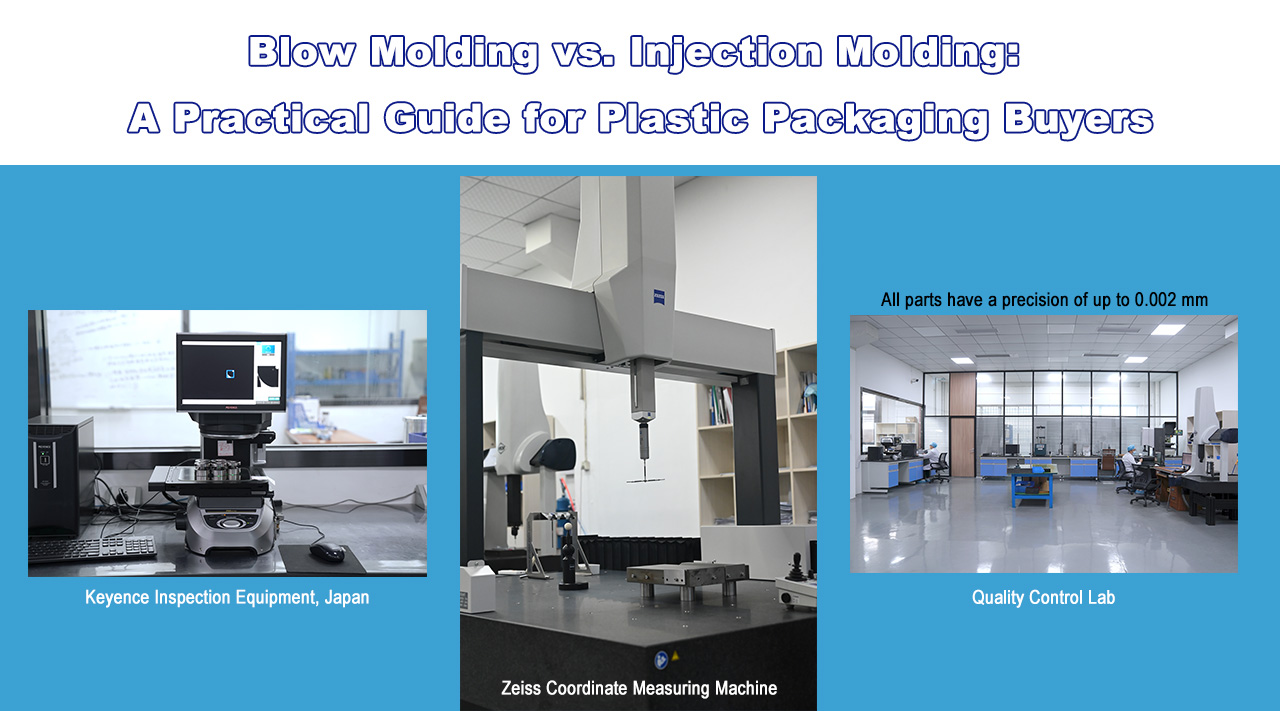
Prior to diving into the mechanical facts, finding a manufacturing partner that excels in PET accuracy matters significantly to your success. BJY serves as a highly focused maker started in 2011, centering entirely on strong forms and precise fittings for the PET container field. Boasting more than 14 years in the industry and a modern site fitted with German Zeiss CMM plus Japanese Keyence testing tools, we guarantee every single element hits a strict 0.002mm precision standard. Whether you need a trial sample or a massive bulk run setup in 144-cavity lines, our skilled staff handles your full project aid from container planning to field fixes.
What Is the Core Difference Between Blow Molding and Injection Molding?
The Technical Distinction Between Hollow and Solid Parts
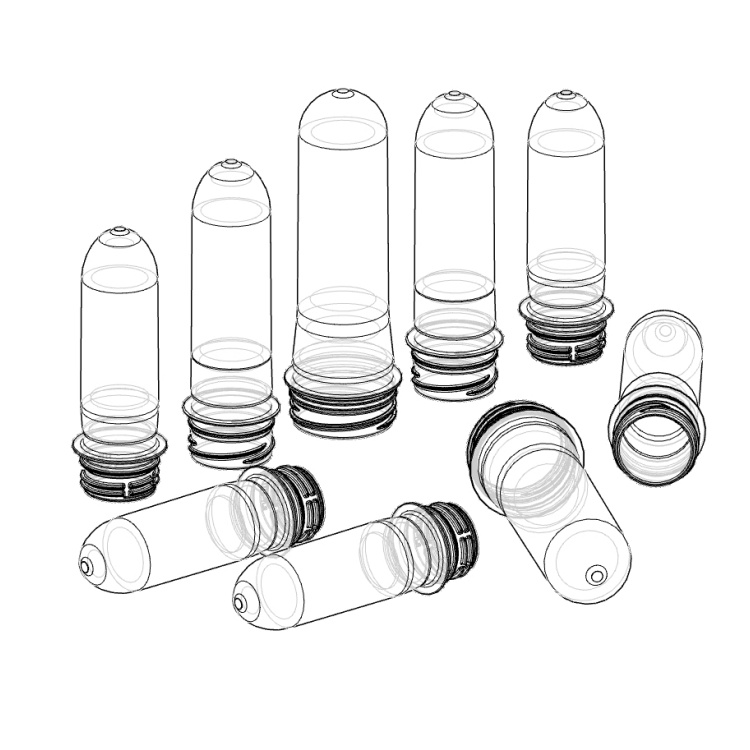
A simple method to tell these two processes apart involves checking the end result of your product. Injection molding perfectly suits firm, detailed solid pieces such as cap tops or exact internal fittings. In this process, heated plastic pushes into a sealed mold space under extremely strong force, then hardens quickly as it cools. On the other hand, blow molding perfectly fits empty, hollow items. Powerful air force expands a warm plastic tube—commonly known as a preform—out against the mold sides to create the final shape.
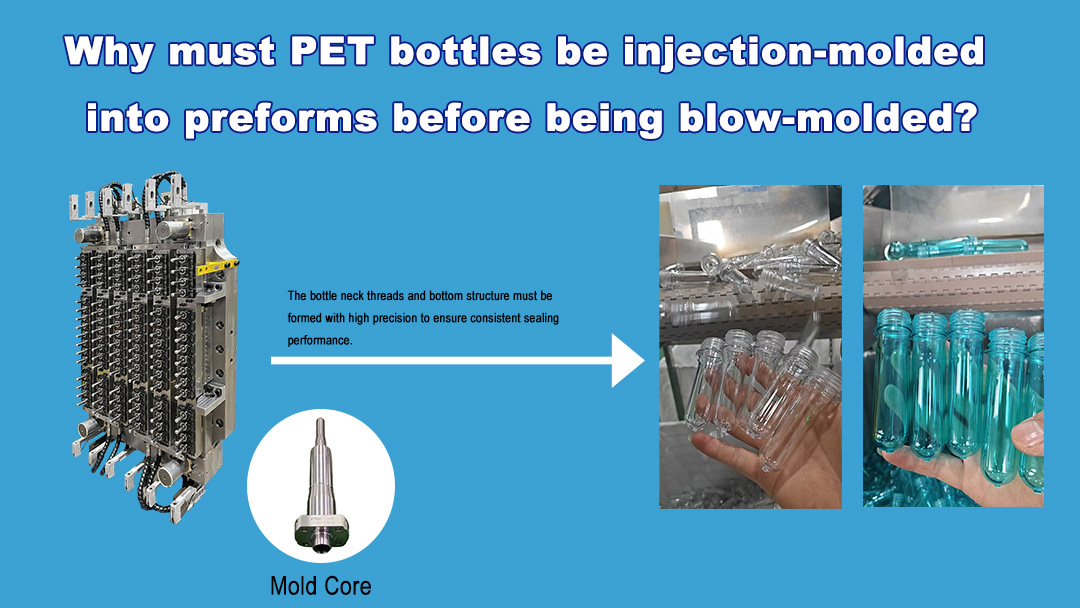
Why Injection Molding Is Essential for PET Preforms Before the Blowing Stage
Your high-quality PET containers must start with an injection-formed preform. The top neck section and base form demand sharp, exacting care to make your threads seal tight and prevent leaks. Solid injection fittings prove absolutely key here. Take a top Mold Core, for example; this specific component keeps your preform’s inside sizes entirely steady over countless rapid production runs.
High-Precision Mold Engineering for Both Processes
Each production method counts heavily on precise heat control and exact CNC cutting. For injection molding, the liquid resin needs an even, continuous flow via a dedicated hot runner system. For blow molding, the internal space must shed warmth rapidly to cut your cycle run times. Your strong commercial output rests completely on the link between these separate build styles.
|
Feature |
Injection Molding |
Blow Molding |
|
Part Structure |
Solid or open-faced |
Hollow containers |
|
Tooling Material |
High-hardness steel (S136) |
Aluminum or Steel |
|
Primary Pressure |
Hydraulic/Electric melt pressure |
Compressed air pressure |
How Do You Choose Between These Processes for Your Product Design?
Deciding Based on Wall Thickness and Part Complexity
Packaging designs needing fine structural points, complex inside supports, or heavily mixed wall depths in a firm piece always call for injection molding. Conversely, blow molding handles less inside detail but truly shines when you require light, slim-sided holders that still retain a solid, durable build.
When to Switch from Injection Molding to Blow Molding for Your Packaging Project
You should seriously consider shifting methods when a firm piece can turn into an empty case to drastically lower your raw material costs. Plenty of trade holders, which were once made as weighty injection pieces, now come from blow molding lines to drop overall mass yet keep structural firmness.
Custom PET Bottle Solutions and the Role of Professional Design Service
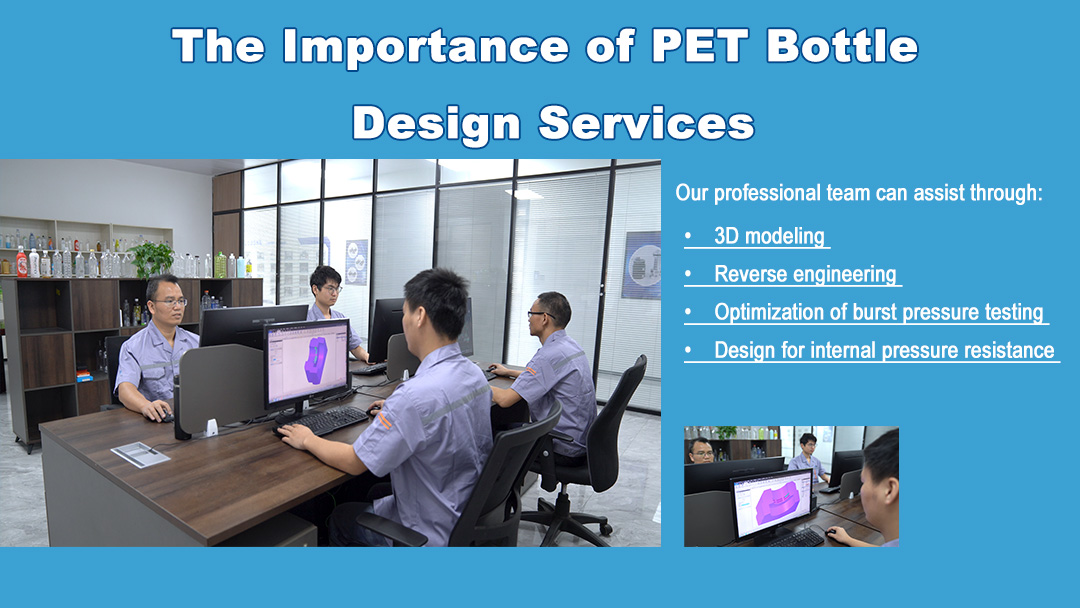
Picking a processing method covers just part of your task; securing a real-world fit design counts equally for your market success. Skilled engineering aid lets you run advanced 3D models and reverse engineering to fine-tune your container shapes for stronger top loads and internal force hold.
What Is the Truth About Blow Molding vs Injection Molding Cost Comparison?
Initial Tooling Investment and Long-term Production Value
Injection forms often cost you more upfront because of detailed hot runner setups and the absolute call for tough steel to face high injection forces. Aluminum blow forms give you a considerably cheaper start and provide far quicker heat shifts during production.
A Comprehensive Comparison of Tooling Costs for Molds
In big manufacturing runs, the price per item stands as your main financial measure. An injection form for preforms takes more starting funds, but running up to 144 spaces at once dramatically lowers your single unit costs. Blow forms for fast spin machines tune specifically for high yield, at times easily passing 55,000 containers hourly.
Maximizing ROI with Durable Spare Parts Like Mold Core and Ejection Sleeve
To boost your financial returns, cutting machine stop times proves vital. A solid Ejection Sleeve stops preform holds and mechanical harm in the release step, which remains a usual reason for sudden line halts.
|
Parameter |
72-Cavity Injection Mold (PET) |
14-Cavity Rotary Blow Mold |
|
Material Cost |
Higher (Stainless/Alloy Steel) |
Lower (Alcoa Aluminum) |
|
Typical Life Cycle |
10 million cycles |
10 million cycles |
|
Cycle Time |
8–15 seconds (Preform) |
2–4 seconds (Bottle) |
Why Is Blow Molding Critical for Your Beverage Packaging Success?
Choosing Molds for Carbonated Beverage Bottle Production
Fizzy drinks need dedicated holders that manage strong inside pressure force without any shape loss. Your mold plans must give completely even side depths and a highly firm bottom structure.
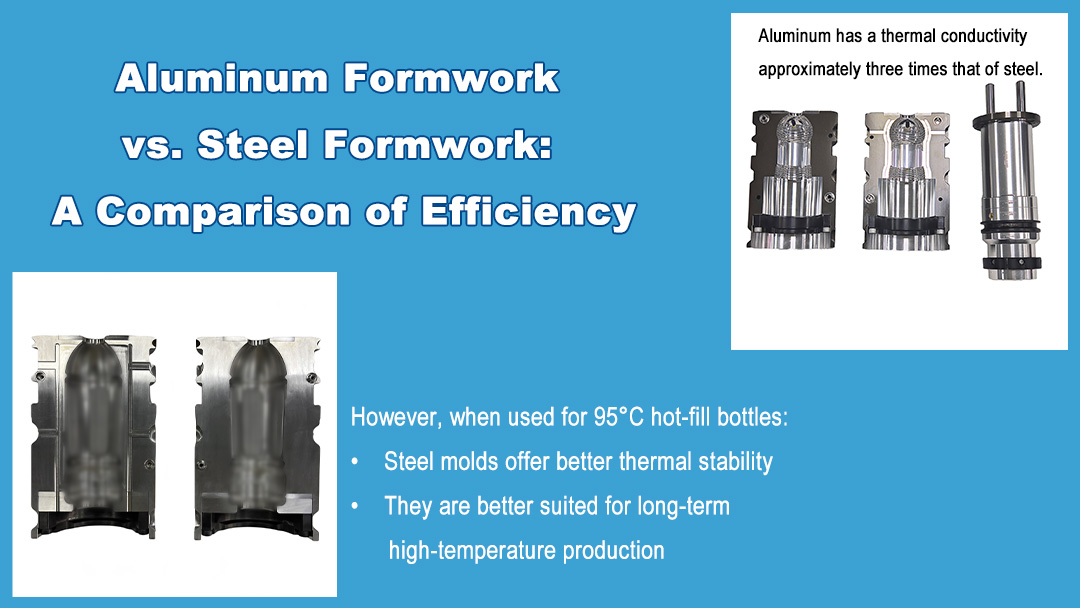
Aluminum vs Steel Blow Molds for Production Efficiency
Aluminum forms carry almost three times the heat flow capacity of steel, letting your container harden significantly quicker. Such a material change cuts the cool down part of your blow molding run a lot. Yet, for demanding warm-fill steps hitting 95°C, steel fits your project much better with its unmatched heat steadiness.
High Performance Features of the BJY 300ml PET Blow Mould for CSD Bottles
For your low-size market penetration, the 300ml PET Blow Mould for CSD Bottles works exceptionally well. It features a piece-based build for fast switches and exact mechanical cuts to match the bottle top and base to your strict force checks.
How Can You Maintain Long-term Efficiency in Your Production Line?
High Speed Rotary Blow Molding Mold Maintenance Tips
Proper care marks the massive gap between a form lasting five years or ten. You must wipe shaping areas every 72 hours using medical alcohol to avoid leftover resin build-up. Adding dedicated oil to guide rods and covers on a regular basis also heavily helps fend off machine wear.
Common Defects in PET Blow Molding and How to Fix Them
Problems such as “pearl white” from excess heating or uneven sides from off-set push rods can severely harm your daily output. Forms equipped with tuned cool paths and steady clamp spread can wipe out these specific quality issues right from the start.
Professional Technical Support and One-stop Service from BJY Team
A real manufacturing ally offers you far beyond just sending metal parts. Such premium support includes your staff’s skill training, initial gear setup, and even renewal work on worn forms to restore them to first-rate output.
Ready to Upgrade Your Plastic Packaging Project?
In the blow molding vs injection molding debate, your best pick hinges entirely on your specific container aims. Fast output lines demand way over a single metal form; they need a sharp, unified setup of fittings and deep build know-how. From lasting preform pieces to highly focused fizzy drink forms, strict quality focus makes your brand mark shine with clear views and firm holds.
For sound engineering input on your next effort, direct tech aid, or a tailored custom price, contact our skilled build staff right now. We stand fully set to guide you through complex PET fluid container twists and build a strong, lasting tie for your commercial trade.
FAQ
Q: In the Blow Molding vs Injection Molding debate, which is better for small bottles?
A: The answer varies based on your specific bottle type. Injection molding always forms your initial preform first. Still, for the final end form, blow molding alone makes an empty, perfectly light holder extremely well.
Q: Can I use the same mold for different bottle weights?
A: Your final form space locks to one exact size and outline. To successfully alter the bottle’s weight, you must often tweak the primary preform injection form or shift your entire preform plan.
Q: What material is best for high-speed beverage molds?
A: Aluminum like Alcoa A6061 perfectly suits your plain water and fizzy drink holders due to its quick cooling traits. Top-grade steel works far better for your warm-fill holders or specific parts needing high wear resistance, such as the critical mold core.