

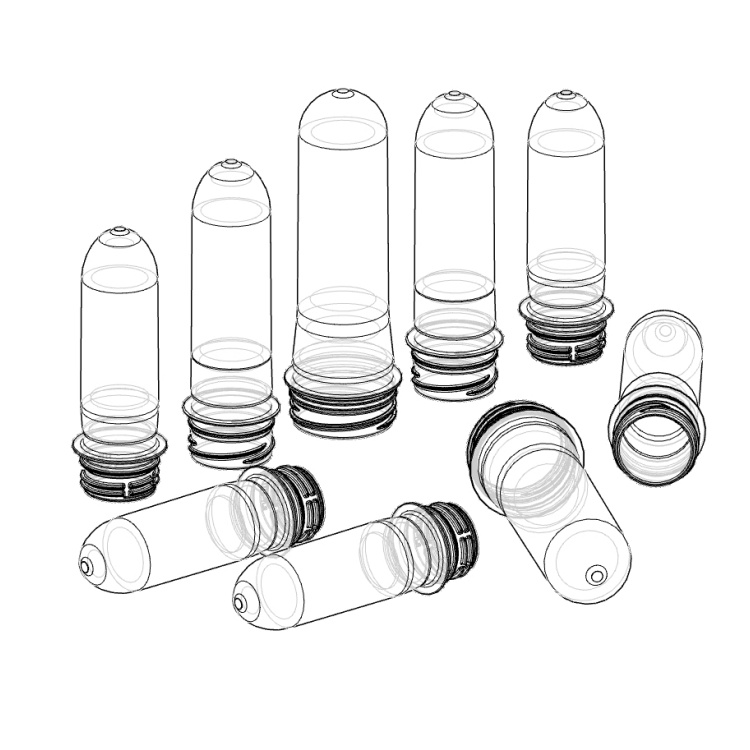
How to Enhance Plastic Production with High-Efficiency Blow Molding Techniques
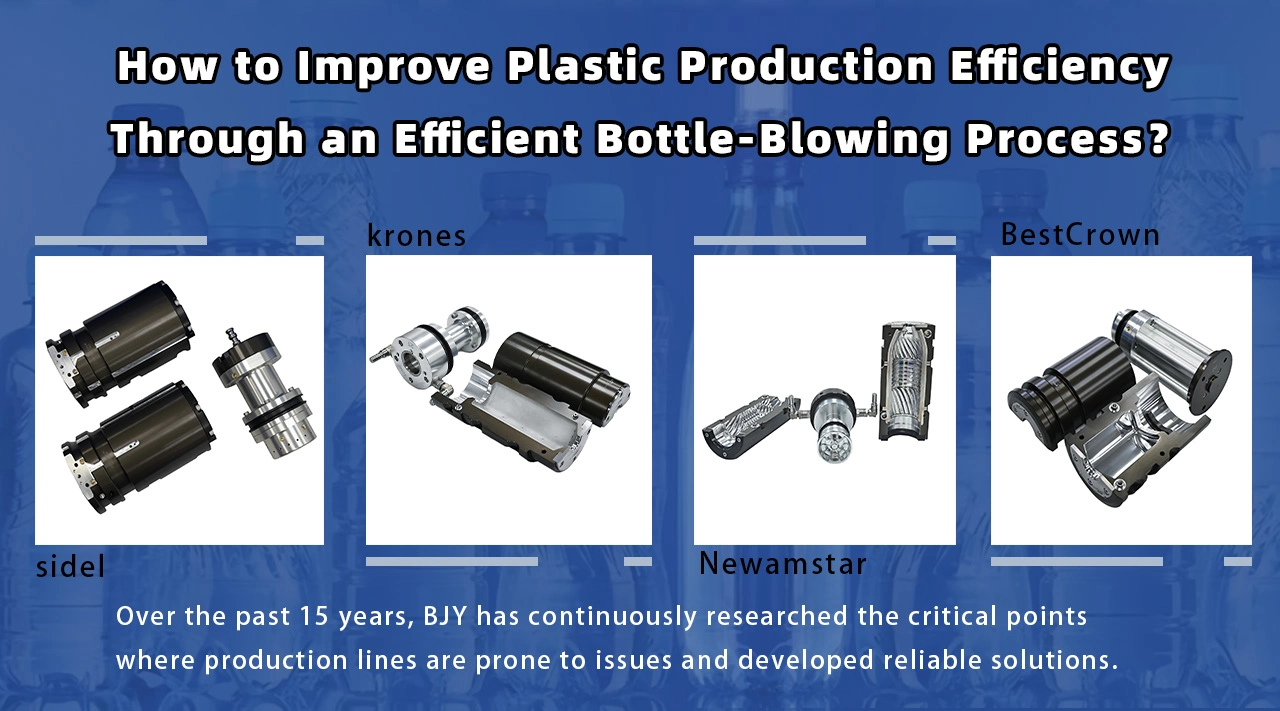
Managing an active bottle production line often presents notable difficulties. When output reaches thousands of units per hour, each instance of interruption equates to substantial financial loss. BJY has invested more than 14 years in pinpointing the precise locations where such lines encounter problems and devising reliable remedies. Through emphasis on functional, robust mold configurations that effectively manage elevated temperatures, producers can cease constant oversight of their apparatus and proceed to meet established production objectives.
Why Is Material Selection Critical for Production Speed?
The choice of metal for your mold extends beyond its endurance; it primarily concerns the speed at which it dissipates heat. Should the plastic retain warmth excessively, it will fail to retain its form, thereby causing the entire operation to decelerate significantly. Contemporary high-speed rotary setups increasingly adopt particular alloys, as these materials interact more favorably with cooling water systems.
Rapid Heat Dissipation With Aluminum Alloys
Aluminum emerges as the primary option for accelerating processes, given its exceptionally high thermal conductivity in comparison to conventional steel. It extracts heat from the PET preform swiftly, enabling the bottle to solidify within a considerably shorter timeframe. Consequently, this expedited cooling sequence becomes essential for attaining elevated production volumes, while preventing the emergence of deformed or opaque bottles.
Lightweight Design for Reduced Machine Wear
An overweight mold imposes considerable stress on your rotary blow molder, hastening the deterioration of motors and bearings beyond their anticipated lifespan. Aluminum molds generally possess a weight approximately one-third that of steel equivalents, rendering them substantially simpler for the machinery to rotate continuously. Moreover, this diminished burden not only conserves power but also sustains smoother equipment performance over multiple years, resulting in reduced instances of urgent maintenance during operational periods.
Enhanced Durability Through Surface Treatments
Previously, individuals expressed concerns regarding aluminum’s perceived lack of hardness for intensive applications, yet advancements in surface treatments have resolved such issues. BJY employs hard-anodizing and vacuum hardening methods to impart a highly resistant surface to the mold, one that effectively withstands abrasions and corrosive substances. Thus, this combination delivers aluminum’s performance advantages alongside a durability spanning up to 10 million cycles.
How Does Precision Engineering Solve Common Bottleneck Issues?
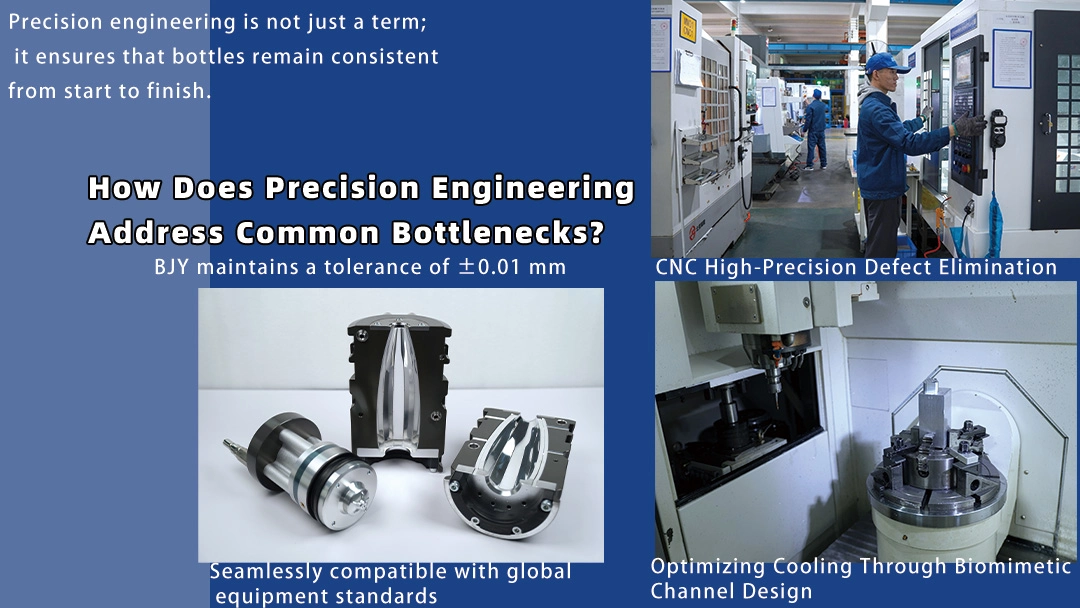
Superior materials alone cannot rectify a deficient mold design. In cases where dimensions deviate even minimally, rejection rates increase markedly, producing bottles with vulnerable areas, irregular necks, or noticeable seams. Precision engineering transcends mere terminology; it ensures that bottles maintain uniformity from the initial phase of a shift until its completion.
Elimination of Defects With CNC Accuracy
By utilizing 5-axis CNC machining alongside premium grinding techniques, BJY upholds tolerances within ±0.01mm. Such precision eliminates persistent variations in bottle capacity and wall uniformity, which frequently frustrate quality oversight personnel. Furthermore, when the mold engages flawlessly in every cycle, undesirable excess material or prominent seams are avoided, ensuring that the final product presents a professional appearance on display.
Optimized Cooling via Bionic Channel Design
Typical cooling apertures tend to generate localized overheated zones in the mold, resulting in inconsistent contraction. BJY develops bionic, honeycomb-structured channels that encircle the cavity, thereby distributing chilled water uniformly. As a result, this thoughtful arrangement mitigates internal tensions within the plastic, yielding bottles that appear transparent and sturdy, even in scenarios involving aseptic or hot-fill operations.
Seamless Integration with Global Machine Standards
A mold proves ineffective if it necessitates numerous adjustments, such as spacers or modifications, to align with your equipment. The Blow Mold for KHS and associated elements are constructed for immediate compatibility with prominent manufacturers from Germany, France, and Italy. They conform to the original device’s clamping and pneumatic systems, allowing for effortless substitution and prompt resumption of activities.
What Are the Benefits of Modular Mold Systems?
Adaptability ranks as an indispensable feature in the present market environment, where consumer preferences evolve swiftly. Should your configuration lack versatility, a significant portion of time and resources gets allocated solely to transitioning between bottle sizes. Modular mold systems offer the resolution, converting extensive reconfigurations into efficient undertakings.
Drastic Reductions in Changeover Downtime
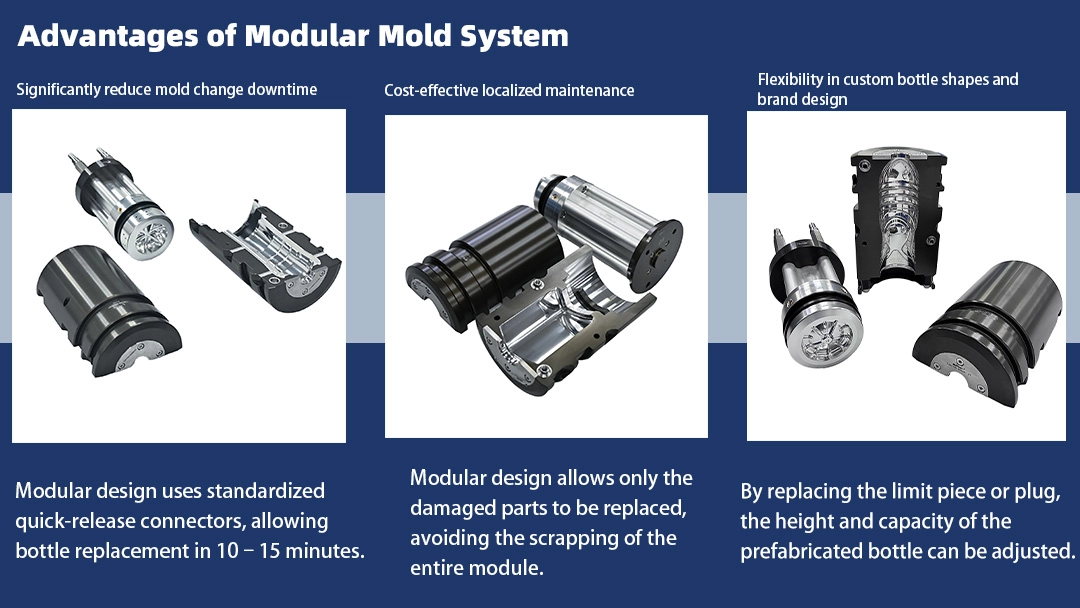
Incorporating uniform quick-release connectors, a modular framework permits alterations to bottle outlines in as few as 10 to 15 minutes. Rather than dismantling the complete machine, one merely interchanges the cavity or neck ring. This capability serves as a critical advantage for contract producers required to alternate among diverse clientele or temporary patterns without sacrificing an entire production day.
Cost-Effective Maintenance of Individual Components
Molds experience degradation in designated areas—typically the neck or base—far earlier than the remaining structure. A modular configuration enables the replacement of solely the impaired component, avoiding the discard of the entire mold. Consequently, this method reduces expenditures on replacement parts by up to 40 percent and prolongs the operational life of established equipment, preserving its condition akin to new for extended periods.
Flexibility for Custom Bottle Shapes and Branding
In situations where a customer requests a distinctive bottle featuring an elaborate emblem or particular handle, modular inserts accommodate these requirements without initiating from the outset. One can straightforwardly substitute stoppers or limiters to regulate the preform’s height and extension for varied capacities. This affords the liberty to provide personalized configurations while upholding the reliability of the fundamental production sequence.
Which Solutions Maximize Efficiency for Specific Applications?
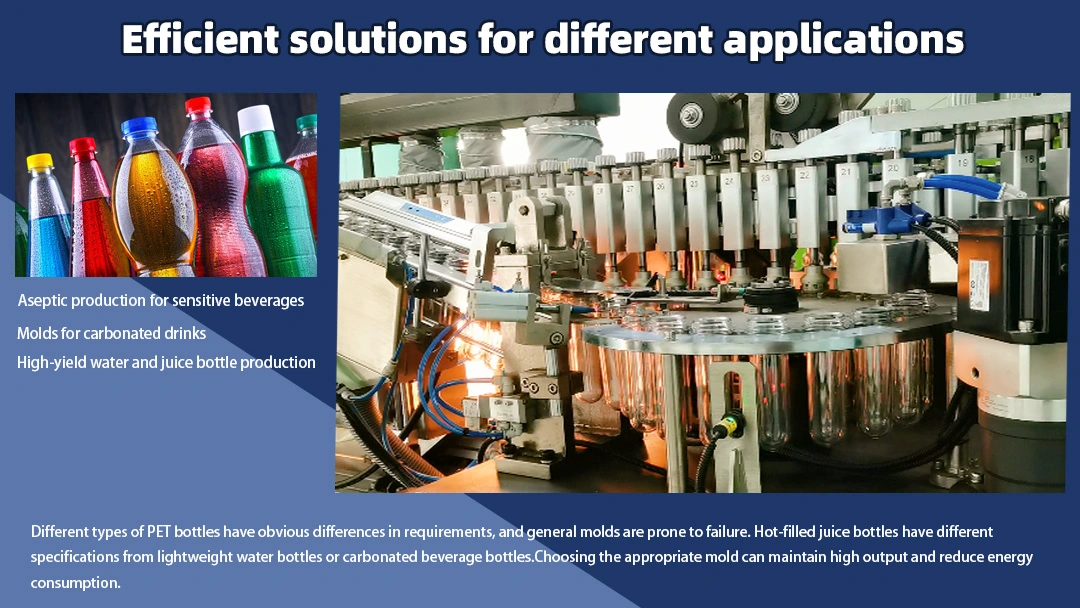
PET bottles differ considerably in their requirements, rendering a universal mold approach prone to failure. A container intended for hot-filling juices possesses distinct specifications compared to lightweight water variants or carbonated beverages. Choosing the suitable implement for each task maintains high output levels and minimizes energy expenses.
High-Volume Water and Juice Bottling
Operations for water emphasize pace and slender walls, demanding molds capable of sustaining brisk cycles. The 300ml Aluminum Blow Mold capitalizes on its elevated thermal conductivity, previously discussed, to facilitate bottle throughput of up to 55,000 units hourly. It acts as the dependable cornerstone for producers seeking refined, lucid bottles at reasonable pricing.
Specialized Molding for Carbonated Drinks
Containers for sodas must accommodate considerable internal pressures, requiring fortified bases and necks. BJY refines the allocation of wall thickness to preclude bursts or alterations under strain. Additionally, these molds incorporate reinforced securing devices to ensure stability amid the vigorous high-pressure blowing procedure.
FAQ
Q1: How long do these molds actually last in a real factory setting?
A: Provided with adequate care, these molds are specified to withstand at least 10 million cycles. Aluminum variants, fortified by appropriate surface treatments, have endured for years within rapid production environments, and their modular aspect permits the substitution of heavily utilized inserts, such as neck rings, to extend functionality further.
Q2: What’s the fastest way to reduce bottle rejects on my line?
A: Primary factors contributing to rejects often include inconsistent cooling or suboptimal mold positioning. Transitioning to molds equipped with superior cooling conduits, such as honeycomb or bionic variants, aids in uniform bottle formation. In addition, confirming the precise centering of stretch rods and air nozzles rectifies persistent issues like attenuated regions and asymmetrical bases.
Q3: Can I use these molds on my existing Sidel or Krones machines?
A: Indeed, this aligns precisely with their intended purpose. BJY elements are derived through reverse-engineering of primary machine parameters to assure effortless incorporation. Irrespective of whether a comprehensive mold enclosure or select spares like blow nozzles and grippers are needed, they are fabricated to correspond with the clamping and synchronization protocols of prominent European and Asian machinery entities.
Disclaimer
The brand names and logos of sidel, husky, khs, sacmi, sipa, netstal, etc., are registered trademarks owned by their respective legal holders. All mentioned trademarks and brand names in this article are used solely for the purpose of illustrating product compatibility and suitability. BJY does not claim any rights to the aforementioned trademarks and has no affiliation, authorization, or partnership with the companies mentioned. Any references herein do not imply that our products are original factory parts or have received official recognition from the manufacturers.