

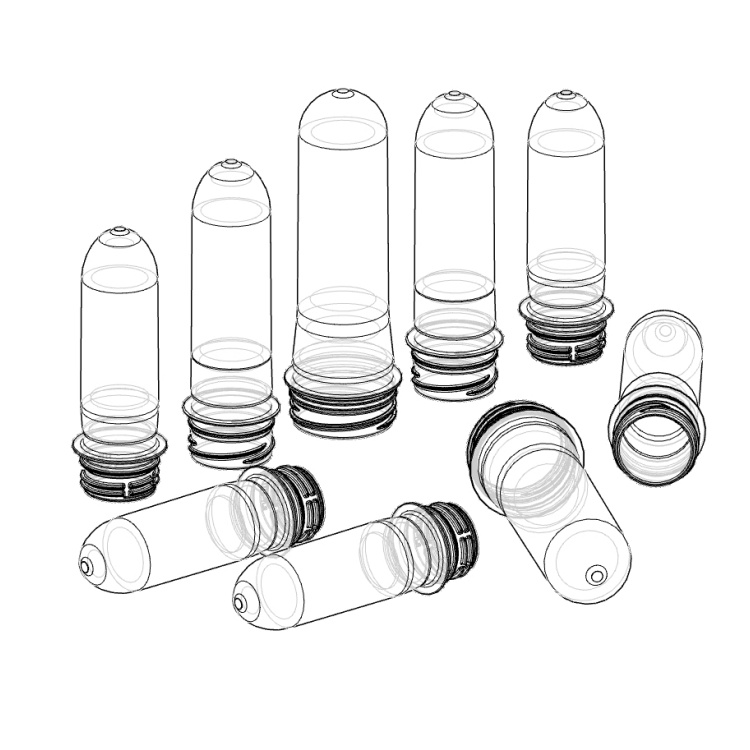
What Are the Key Differences Between PET and PETG in Injection Molding
In the fast-paced world of plastic packaging, picking the right material can make or break a production line. PET and PETG stand out as go-to choices for many manufacturers, especially in bottles for drinks, meds, and daily essentials. But they aren’t twins—far from it. These two share a family tie, yet their traits lead to different uses on the shop floor. Foshan Baijinyi Precise Technology Co., Ltd. (BJY) knows this inside out, crafting top-notch molds for PET preforms that keep lines humming smoothly. This piece dives into what sets PET apart from PETG, with real-world tips tied to BJY‘s lineup.
i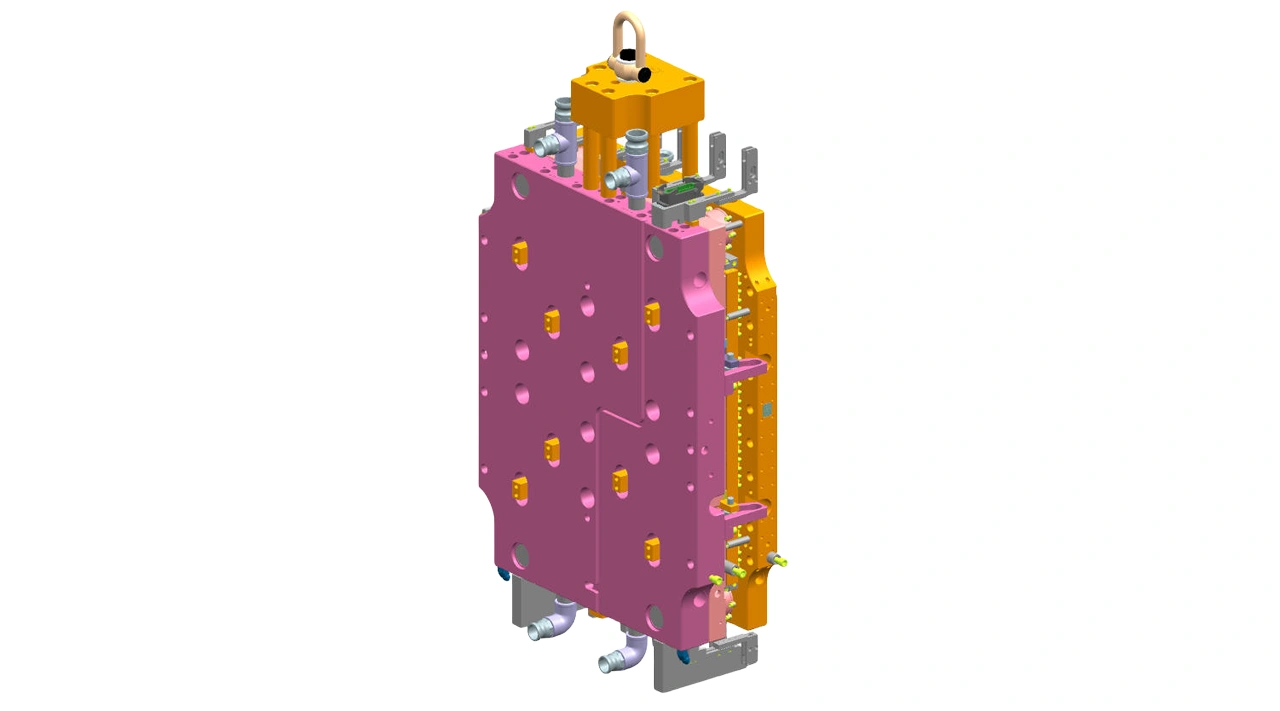
What Is PET and How Is It Used in Injection Molding?
PET, short for Polyethylene Terephthalate, shows up everywhere in molding setups. It’s a tough player that handles heat and pressure without much fuss.
Chemical Composition of PET
PET comes from mixing ethylene glycol with terephthalic acid. That combo creates long chains that lock together tightly. Result? A material that’s strong and holds its shape well.
Shifting gears a bit, this setup makes PET semi-crystalline. Crystals form when it cools slow, boosting its barrier against gases and moisture. Handy for keeping soda fizzy or water fresh.
Common Applications in Packaging
Think water bottles, soda containers, juice holders—even jars for oils or pills. PET shines here because it stays clear and doesn’t shatter easy.
But let’s not skip the details. In packaging, PET preforms get blown into final shapes on rotary machines. BJY builds molds that nail this step, cutting down on rejects and speeding things up.
Benefits for High-Speed Production
Run a busy line? PET fits like a glove, cranking out thousands of bottles per hour without losing quality.
Speaking of speed, BJY’s 48 Cavities PET Preform Mold for Husky Injection Machine handles the rush. It uses imported aluminum for quick cooling, meaning less wait time between cycles. Fewer defects, more output. Simple as that.
What Is PETG and Its Role in Injection Molding?
PETG tweaks the basic PET formula, adding a twist that changes how it behaves under the press. It’s like PET’s more laid-back cousin, easier to work with in some spots.
Modified Chemical Structure
PETG throws in cyclohexanedimethanol alongside the usual ingredients. This extra bit stops crystals from forming, keeping things amorphous and flexible.
Why does that matter? No crystals mean less brittleness. PETG bends where PET might crack, opening doors to new shapes without the hassle.
Typical Uses in Molding
You’ll spot PETG in medical trays, cosmetic cases, or display stands. It molds into complex forms that need to take a hit without breaking.
On the flip side, it’s not as common in fizzy drink bottles. Lacks that gas-tight seal PET delivers. Still, for stuff like lotion pumps or pill packs, it does the job fine.
Advantages Over Standard Plastics
PETG skips the drying step before molding—big time-saver. Melts at lower temps too, around 220-240°C versus PET’s hotter range.
Tie this back to real lines: less energy burned, quicker setups. Though for barrier-heavy work, stick with PET and tools like BJY’s 72 Cavities for Husky Injection Machine. That one keeps preforms uniform, even at full throttle.
How Do Transparency and Clarity Differ Between PET and PETG?
Both materials look sharp at first glance, but dig deeper and you’ll see nuances in how they hold onto that glass-like shine through processing.
Superior Clarity in PETG
PETG stays crystal clear, even after bending or heating. No haze creeps in, thanks to its non-crystalline nature.
Perfect for items where looks count, like fancy packaging. It holds that polish without extra effort.
Crystallization Effects in PET
PET can turn milky if things get too hot or cool uneven. Those crystals scatter light, dulling the view.
Control the temps right, though, and PET sparkles. BJY’s designs, such as sandblasted bottoms in their molds, help bottles pop out smooth and clear every time.
Impact on End Products
For soda or water, PET’s clarity sells the product inside. PETG? Better for flexible bits that need to stay see-through under stress.
In practice, this means choosing based on the final look. BJY gears their PET molds toward that pro finish, reducing spots where clarity dips.
What Are the Mechanical Property Variations?
Strength and bendability tell a big part of the story. PET leans stiff; PETG gives more wiggle room.
Higher Tensile Strength in PET
PET stands firm under pull or push. Its chains align for max toughness, great for load-bearing bottles.
Holds up in transit too. No dents or collapses when stacked high.
Enhanced Impact Resistance in PETG
Drop something made of PETG? It bounces back better, less likely to shatter.
This flex comes in clutch for handheld items or rough handling. Think travel kits or lab gear.
Durability in High-Volume Runs
PET wins for long hauls, lasting through millions of cycles. BJY’s 96 Cavities PET Preform Mold for Husky Injection Machine plays to this, with hardy aluminum that fights wear.
End result? Steady production, fewer swaps. Keeps costs down over time.
How Do Processing Parameters Compare for PET and PETG?
Molding these two isn’t a one-size-fits-all deal. Temps, drying, cycles—all shift between them.
Higher Melting Point for PET
PET needs 260-280°C to flow right. Hotter setup calls for sturdy machines and molds.
But get it wrong, and you risk scorching or weak spots. Precision matters here.
Lower Processing Temps for PETG
PETG melts easier, around 220-240°C. Cooler runs mean less power pulled from the grid.
Easier on equipment too. Slides through without as much fight.
Cycle Time Efficiency
PET might take longer to cool due to crystals, but optimized molds speed it up. BJY focuses on cooling channels in their preform tools, trimming seconds off each pop.
For high-output lines, this adds up fast. More bottles, less downtime.
What Environmental Considerations Set Them Apart?
Going green weighs heavy these days. Both recycle well, but paths differ.
Superior Recyclability of PET
PET loops back into new stuff easy—think rPET for fresh bottles. Wide systems in place make it a recycling champ.
Cuts waste, pleases eco-rules. Common in drink packaging for this reason.
Biocompatibility in PETG
PETG works in med fields, safe for skin or internals. Recycles okay, but not as broadly as PET.
Still, low emissions during make. Fits niche spots where safety trumps volume.
Eco-Friendly Production with BJY
BJY pushes PET’s green side with efficient molds that waste less material. Their setups support recycled resins, helping close the loop.
Smart choice for firms eyeing sustainability without skimping on quality.
Why Choose PET Over PETG for Your Project with BJY?
When barrier strength and scale tip the scales, PET often pulls ahead. Especially with custom tools in play.
Optimized for Barrier Needs
PET blocks oxygen and CO2 like a pro. Keeps contents fresh longer—key for sodas or juices.
No leaks, no fizz loss. Straightforward win there.
Cost-Effective Scalability
Material runs cheaper at bulk, and PET molds crank high numbers. Fits big ops without breaking the bank.
Plus, proven track record in global markets.
Recommended BJY Solutions
Dive into BJY’s catalog for PET pros. The 48, 72, and 96 cavity molds for Husky machines deliver precision at speed.
FAQ
Q1: Can PETG replace PET in all bottle molding applications?
No, PETG lacks PET’s strong gas barrier, so it’s not ideal for carbonated drinks. Stick to PET for those, and use PETG for flexible or medical packaging.
Q2: How does BJY ensure mold compatibility with Husky machines?
BJY designs molds to match Husky specs, using precision CNC and imported materials. This cuts downtime and boosts output on rotary lines.
Q3: What’s the main environmental edge of PET over PETG?
PET recycles more widely into rPET, supporting circular systems. PETG recycles too, but PET’s infrastructure makes it easier for large-scale green efforts.
Disclaimer
The brand names and logos of Husky is registered trademarks owned by their respective legal holders. All mentioned trademarks and brand names in this article are used solely for the purpose of illustrating product compatibility and suitability. BJY does not claim any rights to the aforementioned trademarks and has no affiliation, authorization, or partnership with the companies mentioned. Any references herein do not imply that our products are original factory parts or have received official recognition from the manufacturers.