

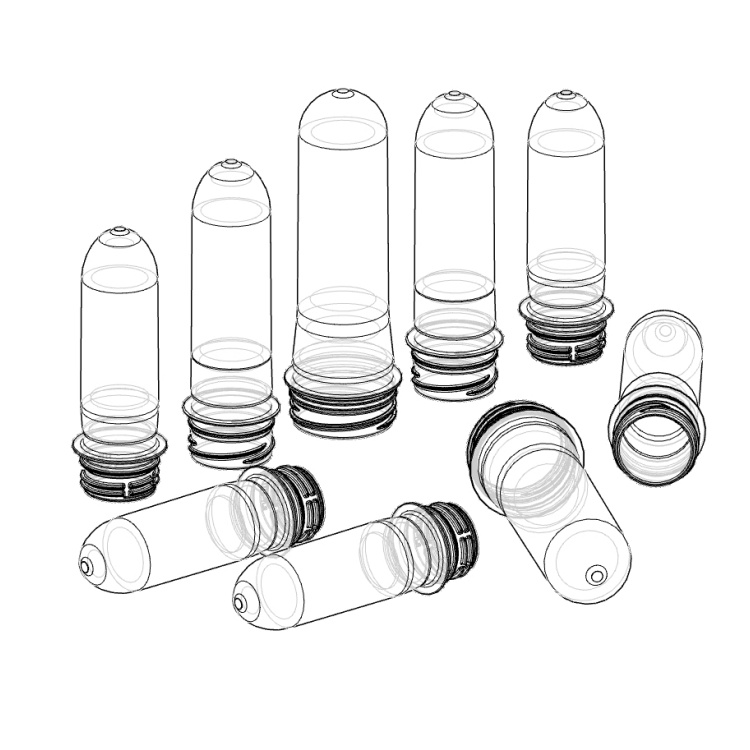
How to Tackle PET Injection Molding Defects: Solutions and Best Practices
Managing a fast-paced PET manufacturing setup often involves maintaining a careful equilibrium between achieving large production goals and ensuring quality remains strong enough to prevent heaps of waste. When issues arise—such as discovering hazy preforms or irregular wall depths—the urgent need to resolve them immediately becomes evident. In reality, many of these problems trace back to how the mold manages temperature and how effectively the metal elements align after numerous operations.
By understanding the reasons behind these flaws and employing appropriate equipment, you can sustain the production flow without needing to monitor the devices continuously. Foshan BJY has dedicated more than 14 years to addressing these challenges, and we have observed that the key often resides in exact components capable of enduring heavy use.
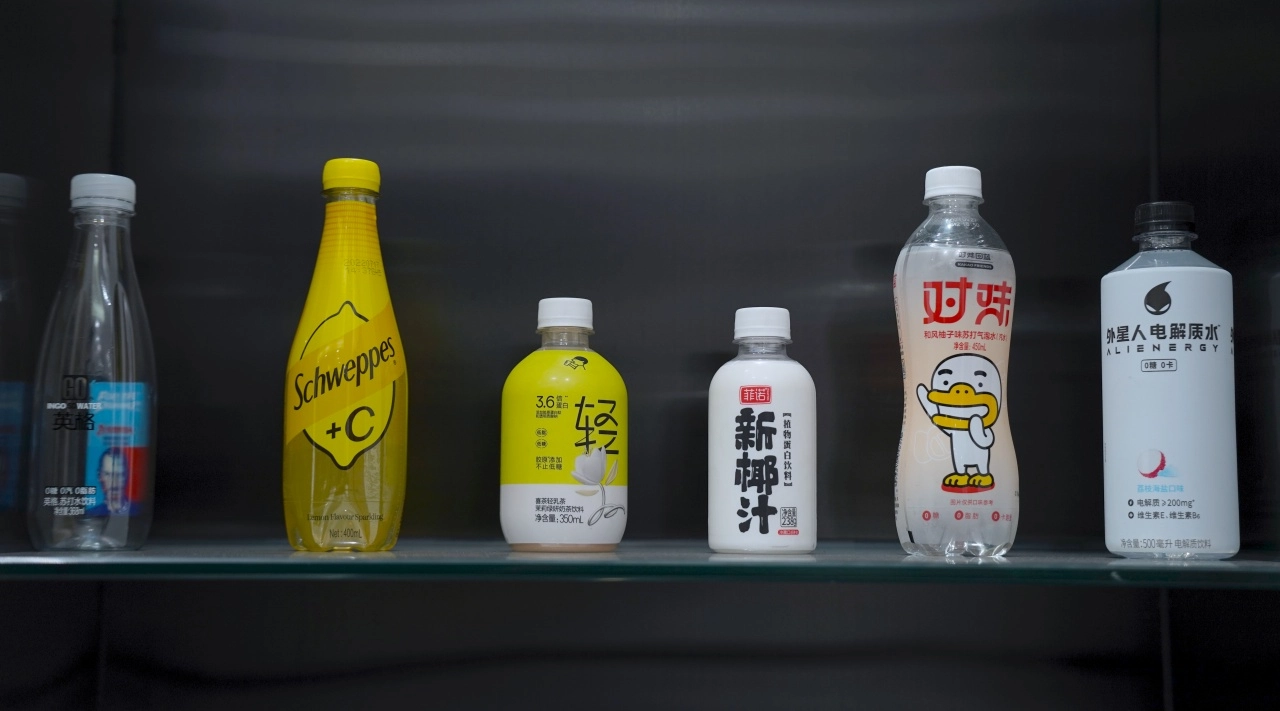
Why Is Precision Critical in PET Injection Molding?
It may appear minor, but even slight misalignment in your mold can trigger a series of complications. For instance, if the core lacks perfect centering, one portion of your preform becomes denser than the opposite side, which essentially compromises the bottle during the subsequent blowing phase.
Consistent Wall Thickness Through CNC Accuracy
To obtain preforms that truly exhibit uniformity, you require mold elements without any play. Employing sophisticated CNC processing ensures tolerances remain narrow—typically within ±0.01mm. Such precision allows the liquid plastic to distribute as intended, thereby avoiding preforms that weigh more on one end and appear excessively slim on the other.
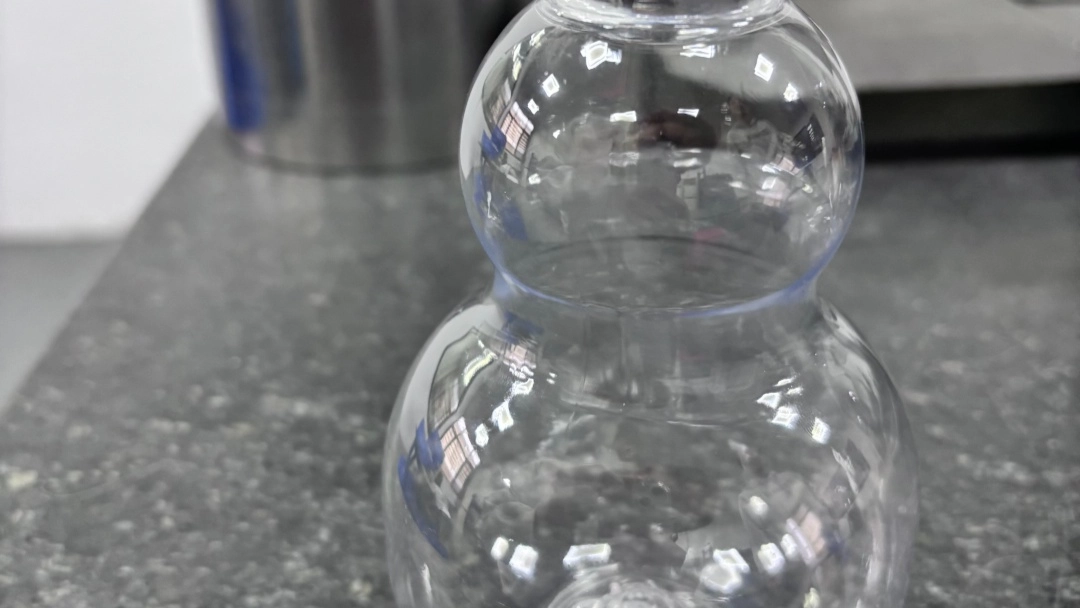
Structural Rigidity to Mitigate Thermal Expansion
Molds endure significant stress from intense pressure injections and ongoing temperature variations. Conventional divided cavity designs frequently form small openings gradually because the material swells and contracts during heating cycles. Opting for a single-piece or unified structure, such as the 12.5g Integrated Cavity, enables the entire assembly to remain firm, resulting in reduced overflows and minimal distortion over extended work periods.
Advanced Thermal Management for Cycle Efficiency
Temperature poses a major obstacle to quick cycle durations. If the mold fails to chill uniformly, defects like depressions emerge, or sections of the preform remain overly pliable. Purposefully arranged cooling passages—often termed biological or grid-based patterns—extract warmth rapidly. Consequently, this maintains the plastic’s stability and permits earlier removal of preforms, allowing the initiation of the following cycle without delay.
How Can Component Upgrades Resolve Molding Defects?
At times, regardless of extensive adjustments to your machine’s parameters, the flaws persist in recurring. This typically indicates that the deterioration on your internal elements has advanced to a stage where they no longer function adequately. Replacing outdated, fatigued components with enhanced alternatives can frequently rectify a disrupted procedure in a short time.
Precision Core Alignment to Prevent Eccentricity
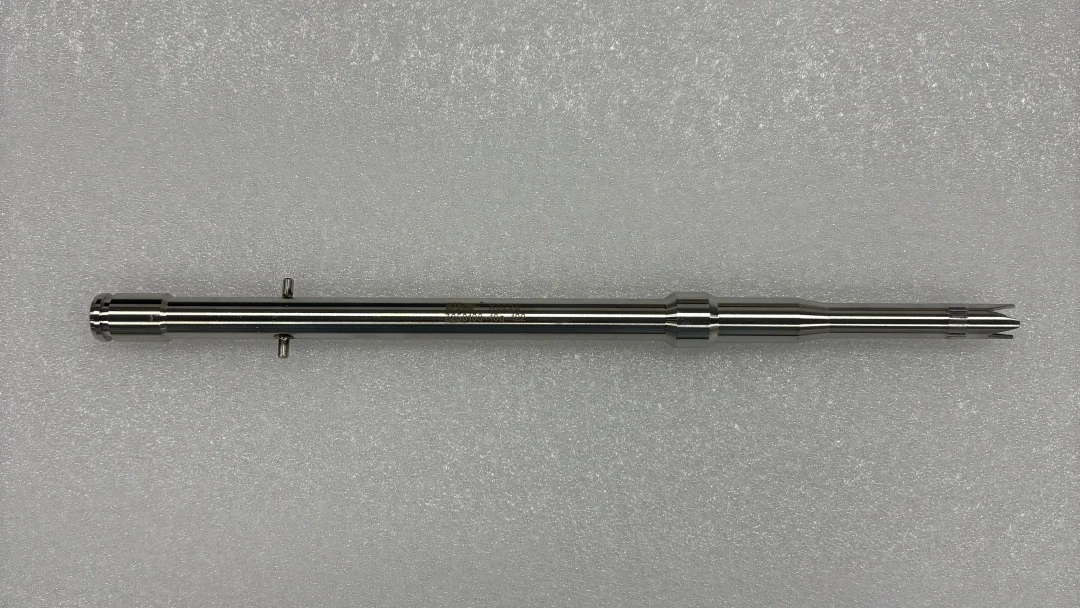
An unstable core creates difficulties for bottle alignment. Should the core shift slightly during the injection process, the entire lot becomes unusable. Transitioning to a High-Precision Water-Cooled Core provides a component crafted from durable stainless steel that holds its position firmly. Moreover, the improved internal chilling prevents the core from overheating and deforming amid round-the-clock operations.
Optimized Sealing with Standardized Lock Rings
The preform’s neck represents the most delicate zone since it must connect seamlessly with a cap in subsequent use. When lock rings wear down, the threading may emerge uneven or the sealing face becomes uneven. A reliable Lock Ring maintains cooling and centering in the neck region, thereby eliminating the problematic oval shape that leads to cap leaks.
Wear-Resistant Treatments for Extended Service Life
Liquid PET exerts considerable abrasion on metal surfaces, particularly when incorporating additives or reused particles. Gradually, the cavity interior develops indentations, causing preforms to adhere. Components enhanced through vacuum tempering or advanced DLC applications exhibit a substantially reduced friction level. As a result, this prevents adhesion of material and extends the durability of parts by 50% longer compared to standard chrome-treated versions.
Which Solutions Optimize High-Volume Production Lines?
In operating a large facility, attention extends beyond a single mold; instead, it focuses on the integration of the entire system. You seek elements compatible with established machines already in place, along with methods to exchange them without forfeiting an entire day to preparation time.
Multi-Cavity Efficiency for Major Machine Brands
When utilizing Husky or Netstal systems, molds must align with the unit’s securing and injection mechanisms. The 72-Cavity PET Preform Injection Mold illustrates this effectively; it distributes the melt evenly so that every cavity receives identical timing and force. Thus, it eliminates the issue where the initial cavity succeeds while the final one fails.
Rapid Maintenance Through Modular Design
The greatest detriment to profitability occurs when equipment idles as technicians labor to extract a jammed element. Modular configurations transform this scenario. Through standardized connections and divided-core setups, you can remove a single impaired cavity and replace it swiftly in mere minutes, rather than dismantling the complete mold. Consequently, this simplifies upkeep considerably for the operational staff.
Sustainability Support for Recycled Resin Usage
Contemporary practices increasingly incorporate rPET to fulfill environmental objectives, yet this material can behave unpredictably. It frequently possesses a unique thermal background, potentially causing discoloration or irregular distribution. Modern molds apply heat-dynamic modeling to ensure sufficient cooling intensity accommodates the altered characteristics of recycled or plant-derived resins. Therefore, this approach supports ecological efforts without compromising the aesthetic quality of bottles.
Final Thoughts on Keeping the Line Moving
Ultimately, PET molding revolves around overseeing essential aspects like temperature control, positioning, and abrasion. Investing in superior components, such as those provided by Foshan BJY, essentially secures operational tranquility. You experience reduced imperfections, quicker cycles, and a workforce free from ongoing tension due to equipment interruptions.
FAQ
Q1: Why are my preform bottoms showing white or “pearly” marks?
A: This issue typically arises from incorrect preform temperature—either excessively warm (resulting in pearl white) or insufficiently warm (leading to foggy white). If only the bottom shows effects, adjustments to the heating elements at the oven’s base may be necessary, or verification of cooling water circulation in the gate component is advised.
Q2: How often should I really be cleaning the mold cavities?
A: In a rapid production environment, cleaning the shaping surfaces every 72 hours with pharmaceutical alcohol and soft fabric is recommended. Additionally, monthly or after 500 hours of use, a thorough polishing with specialized paste preserves the reflective surface and prevents preform adhesion.
Q3: Can I use these BJY parts on my existing Husky or Sidel machines?
A: Absolutely, that is their primary purpose. The majority of BJY elements are designed for direct integration with leading manufacturers including Husky, Sidel, Krones, and KHS. They adhere to identical securing and connection protocols as original components, eliminating the need for unconventional modifications.
Disclaimer
The brand names and logos of sidel, husky, khs, sacmi, sipa, netstal, etc., are registered trademarks owned by their respective legal holders. All mentioned trademarks and brand names in this article are used solely for the purpose of illustrating product compatibility and suitability. BJY does not claim any rights to the aforementioned trademarks and has no affiliation, authorization, or partnership with the companies mentioned. Any references herein do not imply that our products are original factory parts or have received official recognition from the manufacturers.