

How to Optimize PET Blow Molding Machine Parameters for Precision
PET blow molding mixes smart engineering with tight control to make top-notch plastic bottles. Getting the settings right—like heat and pressure—is key to great results. It’s super important for folks aiming for fast, tough bottles in big production runs.
Understanding the Fundamentals of PET Blow Molding Machines
Overview of PET Blow Molding Technology
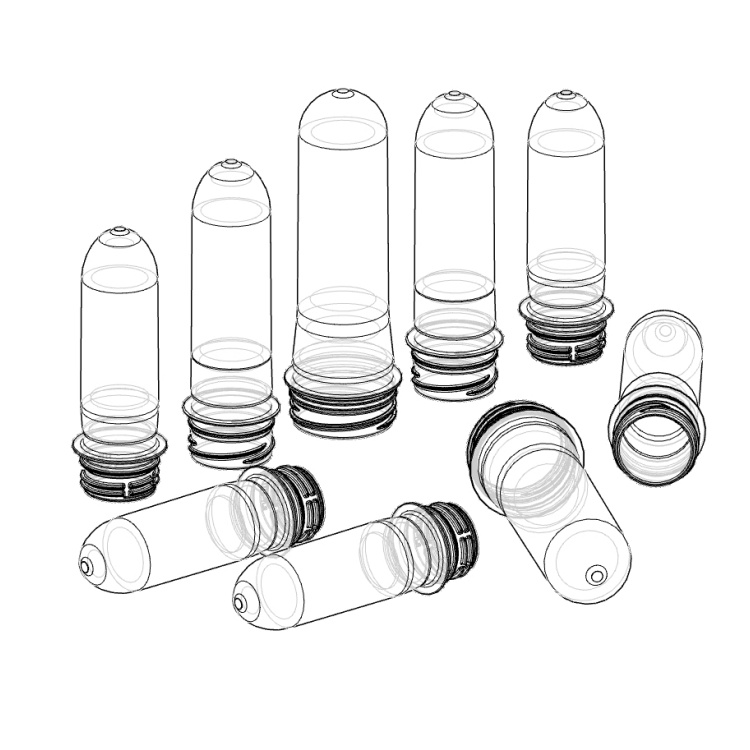
PET blow molding machines are the heart of plastic bottle making. They turn PET preforms into finished bottles using a super in-sync process with heat, air, and precise parts. It starts by warming up a pre-molded PET preform and placing it in a mold. High-pressure food-grade air gets pumped in, and the preform expands to match the mold’s shape. This gives bottles even walls and strong builds, perfect for stuff like fizzy drinks or hot-fill juices.
Key Components and Their Functions
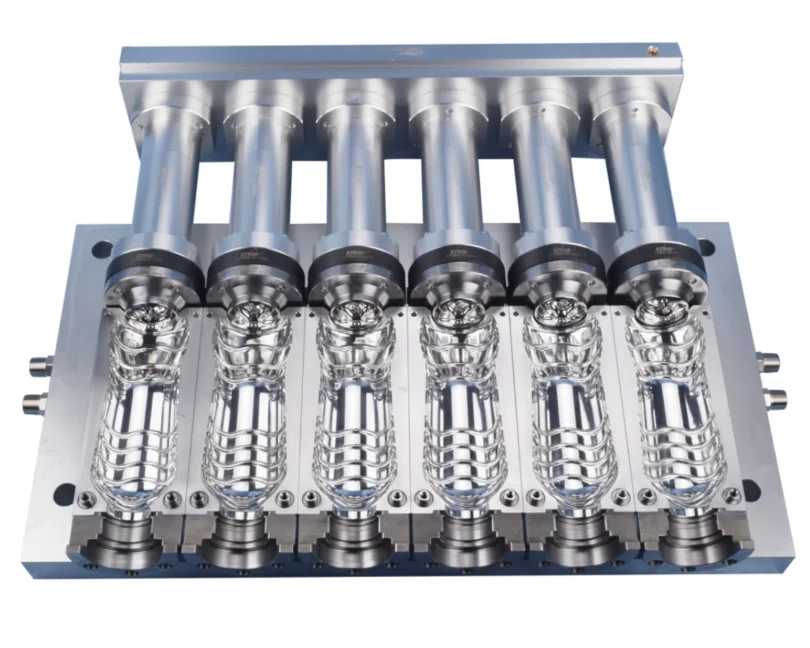
A PET blow molding machine has key parts: infrared heaters to warm preforms, stretch rods to stretch them tall, air systems to blow them into shape, molds to form the bottles, and cooling setups to lock in the final product. Rotary blow molding machines are fully automatic equipment for production of PET bottles. Equipment of a standard rotary blow molding machine: Rotating unit with 6, 8, 12, 14, 24, etc. single-cavity molds. Every piece needs to work together for great output.
Importance of Parameter Optimization in Precision Manufacturing
In fast-paced factories where every bottle has to be perfect, tweaking settings is a big deal. Without dialed-in heat or air pressure, you get flaws like uneven walls or bad seals. Optimized runner design ensures uniform bottle wall thickness and airtight sealing.
Step-by-Step Approach to Parameter Optimization
Step 1: Preform Heating Temperature Control
Heating right is the foundation. Too cold, and the material won’t stretch evenly. Too hot, and it might crystallize or break. Set your infrared oven zones based on preform weight and resin type. Lightweight stuff like this integrated PET preform mold cavity needs tight heat control since it’s super sensitive to warping.
Step 2: Infrared Lamp Positioning and Intensity Adjustment
Lamp angles and spacing decide how evenly heat hits the preform walls. Adjustable reflectors let you aim the heat smartly, dodging hot spots that mess up bottle bases or necks.
Step 3: Pre-blow Timing and Pressure Calibration
The pre-blow step starts shaping the material before the final puff. Timing has to match heat levels—too early makes weak sides, too late hurts clarity. Pressure needs to be just enough to start forming but not so much it twists the shape.
Step 4: Stretch Rod Speed and Position Fine-Tuning
Stretching lines up plastic bits for extra strength. Rod speed controls how fast this happens—too quick can rip the material, too slow leaves it weak. Sensors make sure the rod hits the bottom right without wrecking the preform.
Step 5: Final Blow Pressure and Duration Settings
This step locks in the bottle’s shape by pushing the hot preform against the mold with high-pressure air (up to 40 bar). The blow needs to last long enough to fully form but not so long it thins out too much.
Step 6: Mold Temperature Regulation for Consistency
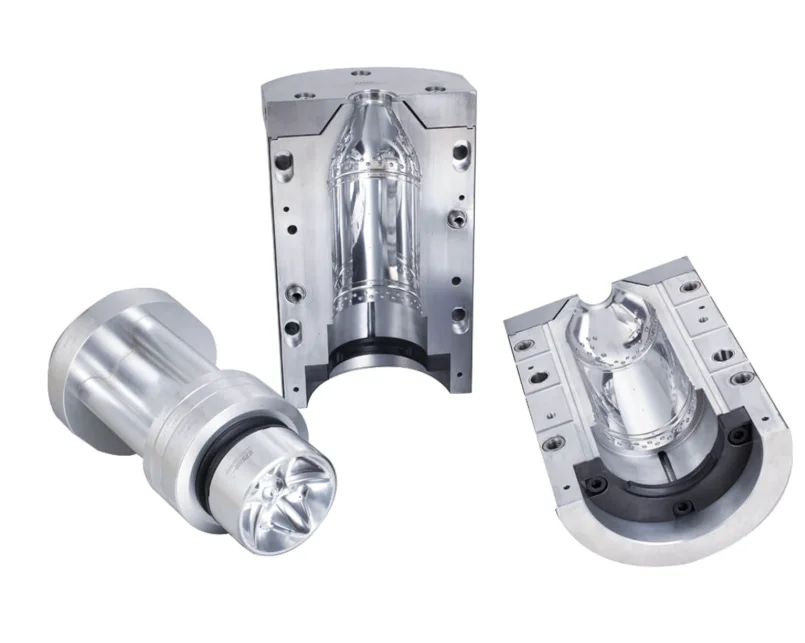
Cool molds keep the material steady while shaping. Mold cavity surface treatment ensures long-term operation without deformation, super important for bottles holding fizzy or hot drinks.
Step 7: Cooling System Efficiency Optimization
Cooling sets how fast you make bottles and how clear they look. Honeycomb-structured cooling channels boost heat escape and cut the forming cycle. Good cooling also keeps shrinkage even across molds.
Step 8: Synchronization of Mechanical Movements
All parts—loading preforms, stretching, blowing—gotta move in sync with servo controls. If they’re off, you get scratches or half-formed bottles at high speeds.
Step 9: Real-Time Monitoring and Feedback Integration
Modern machines have sensors watching stuff like heat shifts or air drops. Alerts let workers fix issues before they mess things up.
Step 10: Continuous Testing and Data-Driven Refinement
Use SPC tools to check weight spread, wall thickness, and burst strength across batches. Over time, this info helps you tweak settings for max output with less waste.
Integrating BJY PET Blow Molding Machines into Your Optimization Strategy
BJY is a go-to partner for precision blow molding tech thanks to their awesome mold design, material smarts, and machine fit. Whether you’re ramping up or tweaking current lines, BJY’s gear works great with linear and rotary setups from big-name OEMs.
Their molds use one-piece designs that cut out gaps, boosting precision and toughness. BJY also offers reverse engineering from sample scans to CAD checks to quality-approved shipping—a full-on approach perfect for pros like you.
Common Challenges in Parameter Tuning and How BJY Solutions Address Them
Dealing with Inconsistent Bottle Wall Thickness
Uneven walls often come from heat imbalances or bad mold alignment. This integrated PET preform mold cavity handles thermal expansion issues, keeping things uniform even in tricky conditions.
Minimizing Scrap Rate Through Stable Process Windows
Cutting scrap needs tight control ranges and tough mold parts. Each cavity is machined with super-tight tolerances and top-grade materials, keeping things steady even at high speeds.
Ensuring Repeatability Across Production Batches
Repeatability depends on steady machine moves and stable heat profiles in each mold set. BJY’s tooling lasts up to ten million cycles, keeping batches consistent even under heavy use.
Advanced Techniques for Experts Using BJY Equipment
Leveraging Automation for Predictive Maintenance and Parameter Stability
Pro users can add predictive alerts that warn maintenance crews before wear hurts performance—huge for factories running non-stop with no room for downtime.
Utilizing Data Analytics from BJY Systems to Identify Optimization Opportunities
By tracking stats like cycle time swings, you can spot tiny trends that affect efficiency. This lets you tweak settings proactively instead of fixing problems after they hit.
Recommendations for Achieving Long-Term Precision with BJY Machines
Regular Calibration Protocols Using BJY Diagnostic Tools
Routine checks with BJY’s built-in diagnostic tools keep sensors spot-on over long runs—key for lightweight bottles where small errors matter big time.
Operator Training Focused on Advanced Machine Capabilities from BJY
BJY’s training programs teach workers not just how to run machines but how to read system feedback. This lets teams make smart tweaks on the fly without stopping lines.
Implementing a Closed-Loop Control System with BJY Support
Closed-loop systems auto-adjust settings based on sensor data—great for mixed bottle types needing quick switches without quality drops.
The Strategic Advantage of Choosing BJY for High-Precision PET Blow Molding Applications
Picking BJY means picking reliability for big runs—from hot-fill bottles handling 185°F to super-light water bottles needing razor-sharp precision. Their modular mold setup supports fast switches between sizes from 50ml to 2500ml+, perfect for contract makers juggling different products for global markets.
Check out their PET blowing mold compatible with Sipa machines, made from S136 steel cavities paired with A6061 bases—guaranteed up to five million cycles per unit—for gear that’s both tough and flexible for every batch you make.
FAQ
Q1: What causes inconsistent wall thickness in PET bottles?
A: It’s usually uneven heating or bad mold alignment. BJY’s one-piece cavity designs keep things even throughout runs.
Q2: How can I reduce scrap rates during high-speed runs?
A: Tighten your control range with real-time monitoring. BJY molds have optimized runners for steady airflow during blowing.
Q3: Are BJY molds compatible with multiple machine brands?
A: Yes! They work with rotary platforms like Sidel-format systems and offer plug-and-play use with no tweaks needed.