

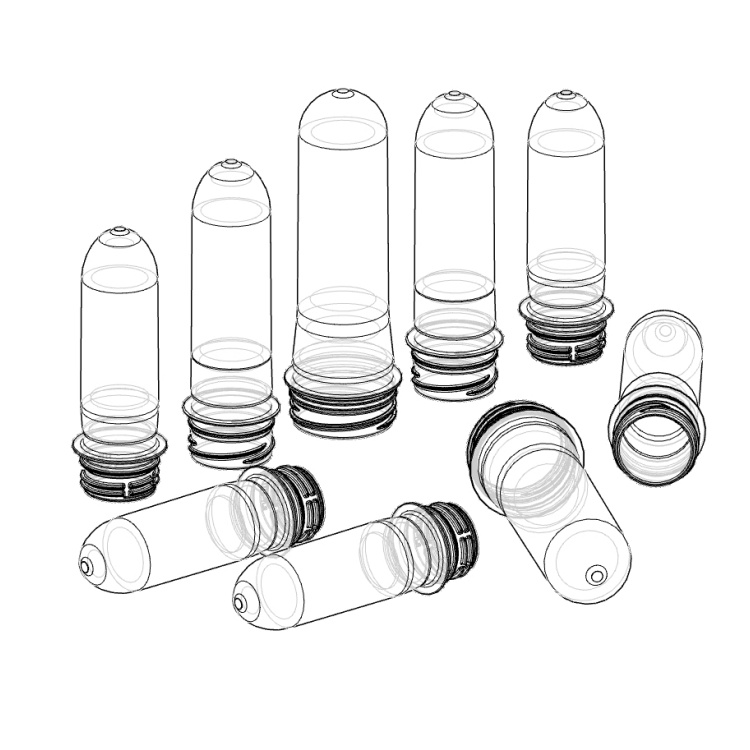
A B2B Buyer’s Guide to Evaluating Injection Molding Companies
Choosing a supplier starts with defining its role. A contract molder produces finished plastic parts, while an injection tooling supplier designs and manufactures molds or precision components. If the existing PET line only needs tooling, evaluate a supplier of preform molds, cavities, cores, neck rings, and related components rather than a contract molding service.
Application fit, engineering capability, equipment compatibility, production controls, delivery planning, and support all affect procurement risk. Foshan Baijinyi Precise Technology Co., Ltd., known as BJY, supplies PET preform molds and precision replacement components. Buyers can use these questions to assess BJY or another tooling supplier through documented evidence rather than sales claims.
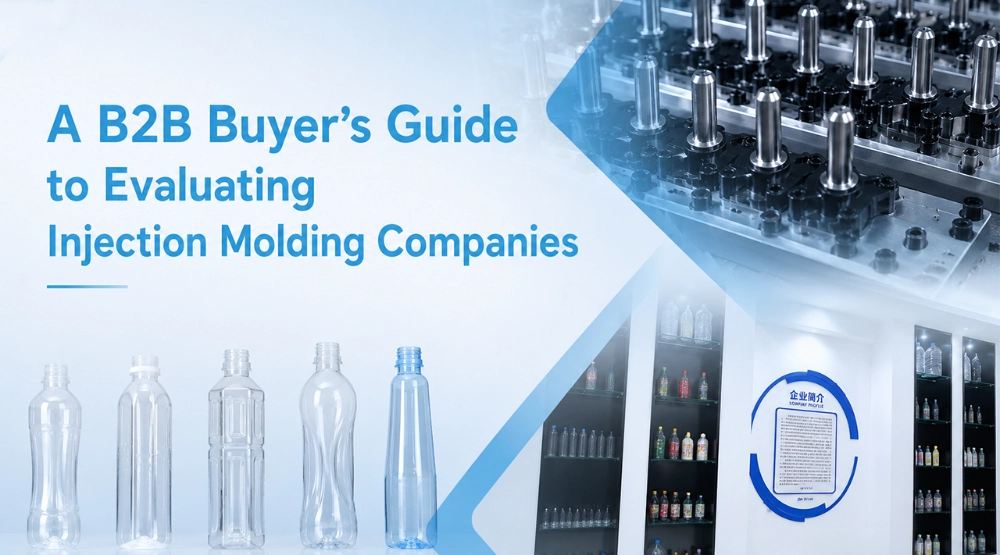
Does the Supplier Understand Your Application Requirements?
Before requesting a final price, confirm that the supplier can convert production requirements into a defined tooling scope. Incomplete inputs can cause inaccurate quotations, compatibility problems, and revisions.
Can the Supplier Define the Complete Project Scope?
A qualified supplier should request the resin, preform geometry, drawings, neck finish, cavity count, target output, injection machine details, hot-runner requirements, cooling arrangement, and operating conditions.
Recommendations should follow technical review. Cavity count and cooling layout depend on the equipment, preform design, and production goals. Verify that the quotation reflects your drawings and operating requirements.
How Will the Mold Match the Intended Injection Equipment?
Request written confirmation of machine compatibility, mold dimensions, mounting interfaces, and utility connections. Approved engineering drawings or formal technical documents should define these items before manufacturing.
Hot-runner systems apply to injection and PET preform molds, not blowing molds. Cooling normally uses water or oil, with water more common. Results depend on the complete cooling system and water-path design, so universal claims require relevant trial data.
Are Critical Components Specified Clearly?
Review materials, treatments, dimensions, neck-finish matching, and replacement procedures for cavities, cores, and neck rings. Clear specifications support maintenance and correctly matched spare-part orders.
Precision components such as the Neck Ring utilize S136 series stainless mold steel paired with DLC coating to resist wear and prevent lubricant contamination.
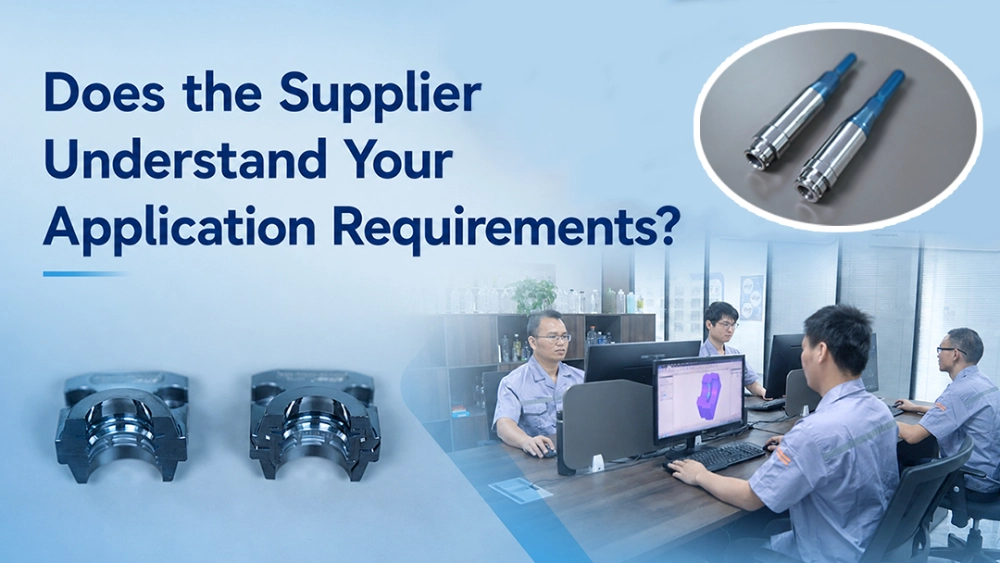
Which Engineering Questions Reveal Manufacturing Capability?
Engineering discussions reveal whether a supplier has considered the production environment. Ask the supplier to connect capability claims to approved mold drawings, material records, dimensional inspection reports, trial-molding records, sample approvals, and a revision-controlled component list. Ensure all engineering specifications are formally bound to the approved technical agreement and quotation.
How Does the Supplier Review Mold Design and Cooling?
Ask how engineers evaluate cavity layout, gate selection, hot-runner configuration, cooling channels, water-path accessibility, and maintenance access. Decisions should relate directly to the preform, resin, equipment, and operating conditions.
Effective cooling depends on water temperature, circulation, channel layout, and the broader system. Any claimed cycle improvement needs approved, project-specific trial information rather than a general estimate.
What Evidence Supports Material and Component Decisions?
Request documentation for mold steel, component materials, surface treatments, and their suitability for the resin and production environment. Separate general recommendations from model-specific specifications.
For replacement tooling, the Cavity for HUSKY Injection Systems is engineered from premium stainless mold steel, precision-machined to match standard 2925 neck finishes.
How Will the Finished Tool Be Inspected and Validated?
Ask about dimensional inspection, component checks, mold trials, sample review, and trial-molding reports. Establish acceptance criteria before production, including critical dimensions and required records.
High-capacity systems like the 48-Cavity PET Preform Mold require full CMM inspection records and trial molding verification before shipment.
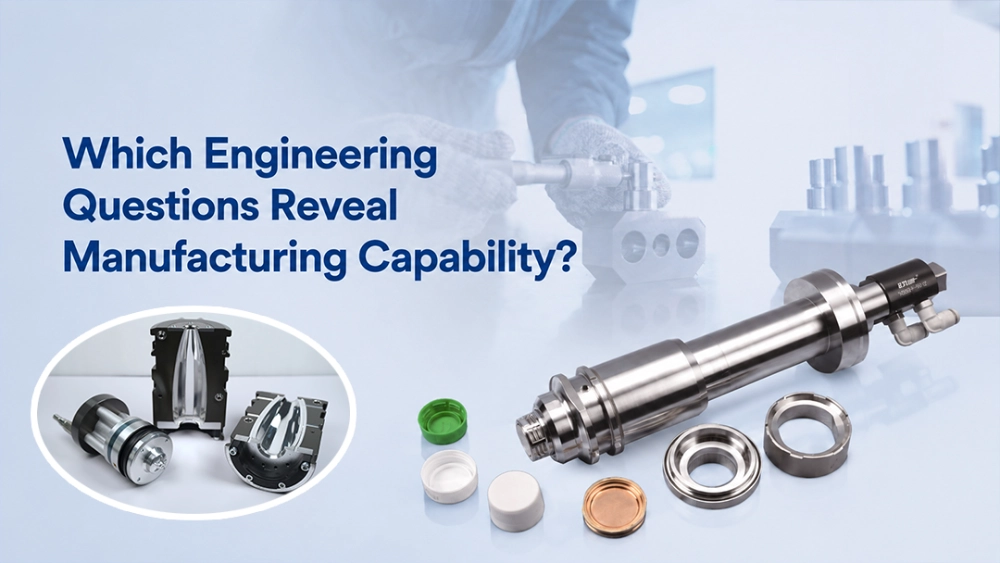
How Should Buyers Compare Cost, Timing, and Supply Risk?
An attractive offer may omit components, validation, or delivery conditions. Compare quotations line by line and connect commercial terms to engineering milestones.
Does the Quotation Show What Is Included?
Check the mold scope, cavity count, hot-runner inclusion, spare parts, trials, samples, packaging, shipping responsibilities, installation support, exclusions, and customer-supplied items.
A lower initial price may not mean lower total cost. Separately charged components, trials, shipping, or replacement parts can materially affect expenditure. A complete scope supports accurate comparisons.
Is the Delivery Schedule Conditional and Realistic?
Confirm what starts the delivery period, such as the purchase order, deposit, drawing approval, or final technical confirmation. Determine how revisions and delayed approvals affect scheduling.
For BJY-specific planning, preform molds take at least six weeks. Stocked connector parts may ship quickly, while other custom work commonly takes 15-25 days. Timing remains conditional on specifications, approvals, workload, and capacity confirmation, not an unconditional delivery promise.
How Will Changes and Delays Be Managed?
Agree on drawing approvals, revision control, material confirmation, trial feedback, corrective work, and communication responsibilities. Identify each revision so outdated information does not reach production.
Document milestones and escalation contacts, giving purchasing and engineering a shared reference when design changes, material availability, or trial findings affect timing.
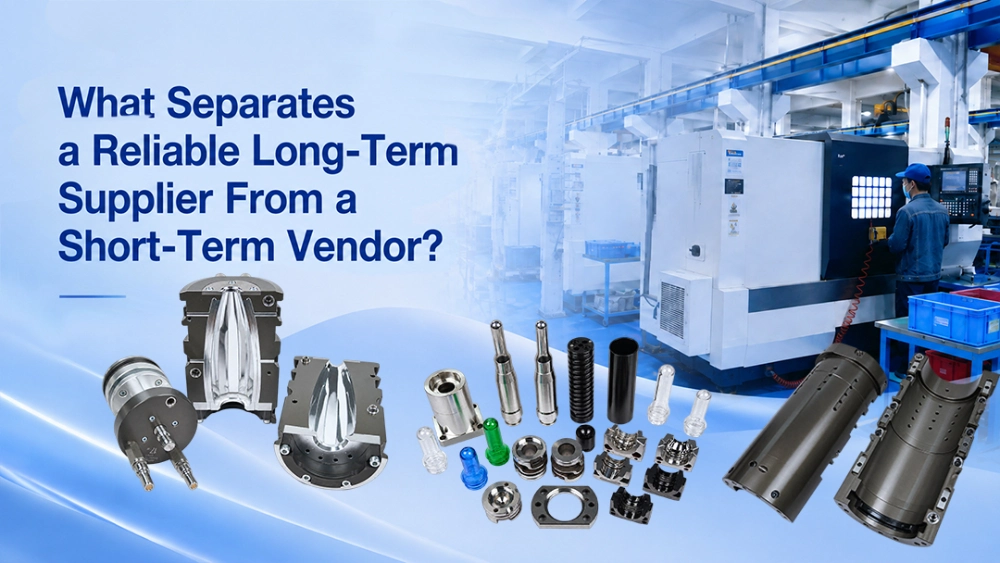
What Separates a Reliable Long-Term Supplier From a Short-Term Vendor?
Performance remains important after shipment. Documentation, replacement-part matching, and structured troubleshooting may be as important as the original manufacturing scope.
Can the Supplier Provide Useful Production Documentation?
During quotation, specify required final drawings, component lists, operating guidance, maintenance recommendations, and inspection or trial records. Do not assume automatic delivery.
Documentation should help technicians identify components, operate tooling, and order matched replacements. Treat missing documents as a procurement risk when scoring a supplier.
What After-Sales Support Is Available?
Review troubleshooting channels, response procedures, spare-component availability, replacement-part matching, and support for installation or production issues. Confirm what operating data the supplier needs for investigation.
Maintenance and cleaning intervals vary with factory practice, resin conditions, operating environment, and production intensity. Cleaning may occur weekly or monthly. A supplier should not impose a universal schedule without reviewing actual conditions.
How Should the Final Supplier Scorecard Be Built?
Use a weighted scorecard covering application knowledge, engineering evidence, equipment compatibility, quotation completeness, delivery planning, communication, documentation, and after-sales support.
Score answers more strongly when supported by approved drawings, written specifications, inspection records, trial documentation, or official product information. Record unsupported statements as risks. This creates more consistent evaluations across purchasing, engineering, maintenance, and production teams.
For PET preform molds or replacement components, Foshan Baijinyi Precise Technology Co., Ltd. can review drawings, equipment requirements, neck finish, operating conditions, and component specifications. Buyers can submit relevant project information to BJY for a project-specific technical and commercial assessment.
FAQ
What Information Should I Prepare Before Contacting an Injection Molding Company?
Prepare part or preform drawings, resin details, neck finish, cavity count, target output, injection machine information, utility conditions, and operating requirements. Identify required spare parts, inspection records, trials, delivery destination, and support expectations.
How Can I Verify That a Mold Will Match My Existing Injection Equipment?
Request approved drawings and written confirmation of mold dimensions, mounting interfaces, machine compatibility, hot-runner configuration, and water or oil connections. Have your engineering team review them before production approval.
Why Should Buyers Compare More Than the Initial Mold Price?
The initial price may exclude hot-runner equipment, spare components, trials, packaging, shipping, installation support, or documentation. Comparing the complete scope, delivery conditions, maintenance needs, and after-sales support clarifies total purchasing risk.
Disclaimer
The brand names and logos of sidel, husky, khs, sacmi, sipa, netstal, etc., are registered trademarks owned by their respective legal holders. All mentioned trademarks and brand names in this article are used solely for the purpose of illustrating product compatibility and suitability. BJY does not claim any rights to the aforementioned trademarks and has no affiliation, authorization, or partnership with the companies mentioned. Any references herein do not imply that our products are original factory parts or have received official recognition from the manufacturers.