

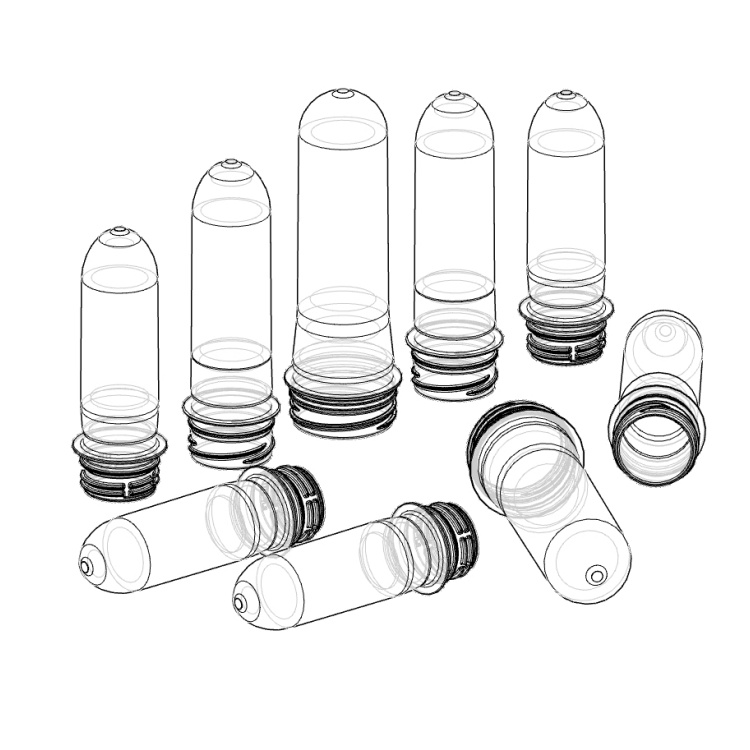
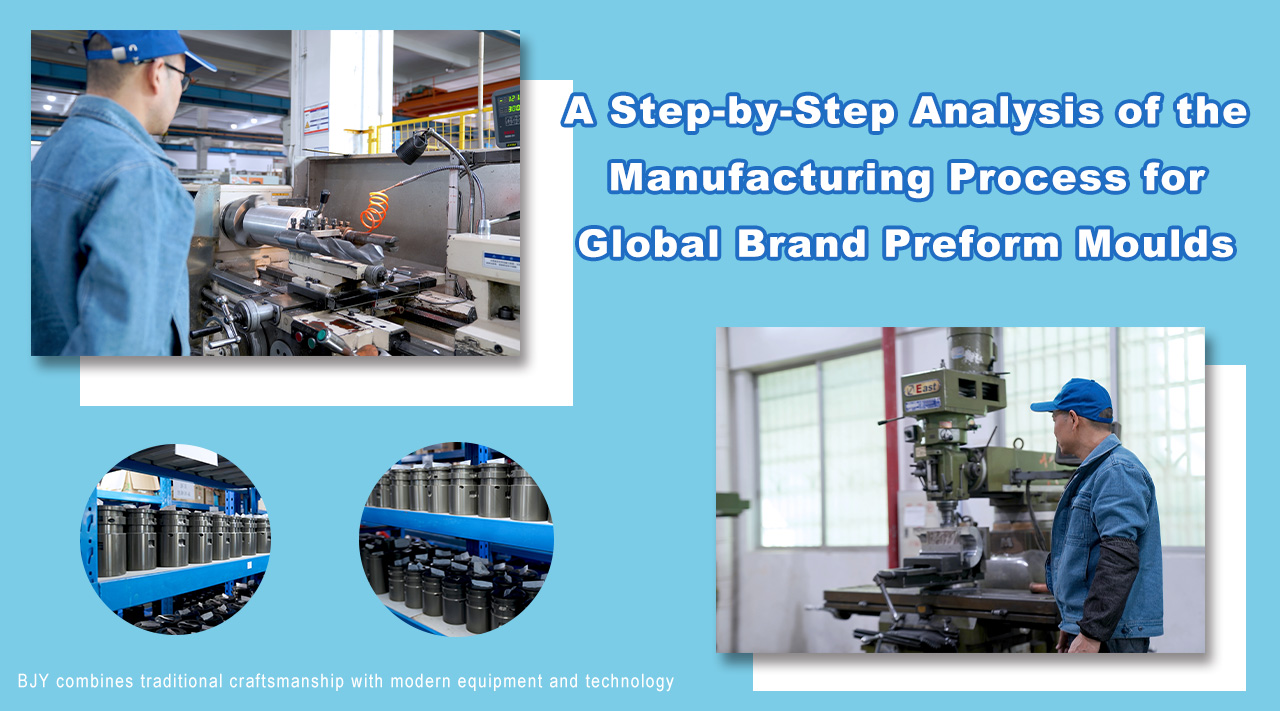
Step by Step Breakdown of the Preform Mould Making Process for Global Brands
Running a fast production setup means the end result depends fully on the forming tool. In large-scale packaging, preform mould making decides if operations stay ahead or face losses from stops. At BJY, each mould receives care like fine work in industry. With more than 14 years in the field, the approach blends old skills with new machine aids. This balance helps. Moulds go beyond basic tools. They form the base of a brand’s real form by reaching new levels in accuracy. For tricky bottle forms or light designs, the group stands prepared to supply tech that matches daily efforts. Expertise covers the mix of steady methods and fresh tools. Such work pushes limits in detail. Needs for detailed shapes or slim builds find ready support.
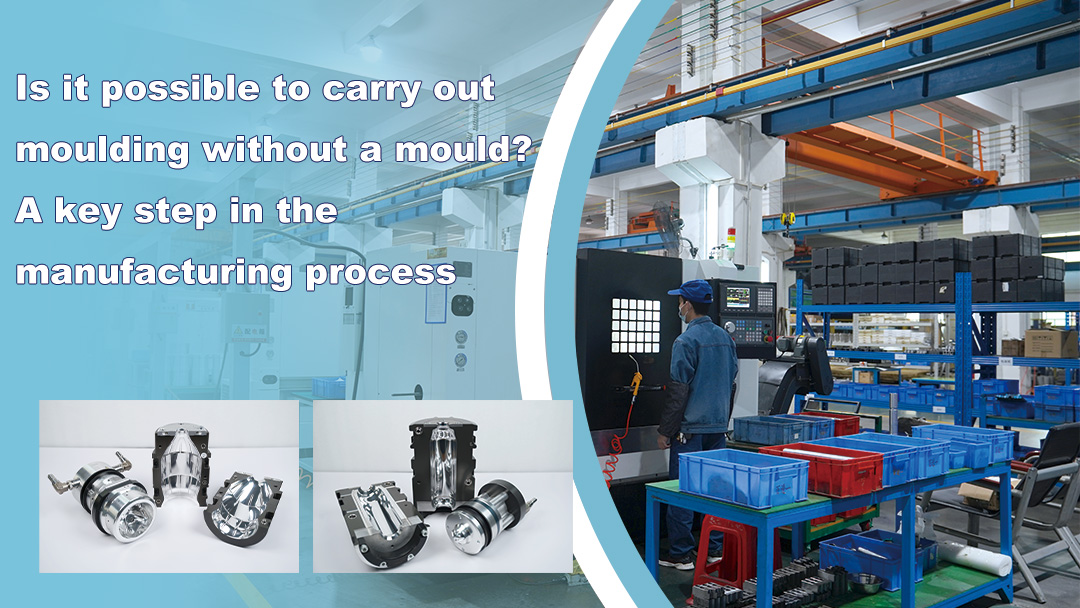
Is a Cast Possible Without a Mold? The Essential Sequence of Manufacturing
A clear, even PET bottle shows the end shape from a detailed forming method. In factory work, the tool sets the path first. Steady results demand high precision preform mould making. The mould sets each physical feature of the preform. Without it, even forms prove hard.
Distinction Between the Negative Tool and Positive Result
The mould forms the empty space. A cut into solid steel holds hot plastic under strong force. The preform rises as the solid shape after chill. Cooling brings out the ready form.
Why Engineering Precedes Production for Global Brands
Big brands avoid differences across sites in various places. Planning stands as the key step in B2B preform mould making services. Skilled planners figure heat growth and plastic movement before cutting steel. This step guarantees the millionth bottle matches the start. Careful counts ensure lasting sameness.
Role of Professional B2B Preform Mould Making Services
Expert aid links ideas to real factory output. Partners offer full help from first bottle plans and 3D models to machine updates. Such wide backing makes the mould fit well into current setups. It becomes a smooth part of the whole system.
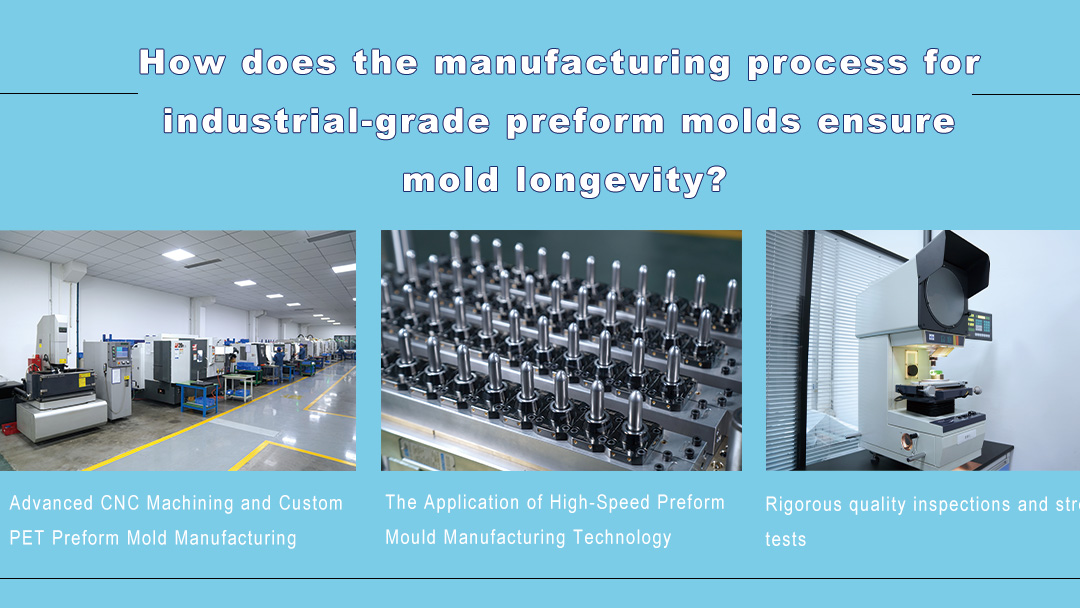
How Does the Industrial Preform Mould Making Process Ensure Longevity?
Lasting strength in a mould goes beyond heavy metal use. It involves how the metal receives treatment and form. The industrial preform mould making process covers several heat steps and fine cutting to handle millions of uses. For main output needs, a solid PET Injection Mold proves vital. It manages quick closes and high heat without bending. Stress from repeated action demands firm build.
Advanced CNC Machining and Custom PET Preform Mould Making
Meeting special brand needs calls for custom PET preform mould making with many-sided CNC cutting. This method creates detailed top ends and unique thread lines. Standard moulds fall short here. Brought-in tough steel keeps sharpness and straightness after 10 million runs. Such tools hold up well over time.
Integration of High Speed Preform Mould Making Technology
Smooth work drives factory success. Current high speed preform mould making technology targets better chill paths and even hot flow setups. These features support steady melt movement and quick heat loss. As a result, run times drop, and daily yields grow a lot.
Rigorous Quality Inspection and Stress Testing
Tools exit the shop only after tough checks. Modern position tools with 0.002mm sharpness confirm every measure. Tests mimic strong push effects to keep parts in line. This avoids issues like extra bits or thin spots.
What Makes a Blowing Mold Essential for Perfect Bottle Shaping?
After the preform stage, the next part involves stretching. Heat returns to the preform. It then expands into the full bottle form. A PET Blowing Mold handles the last clearness, firmness, and style of packaging.
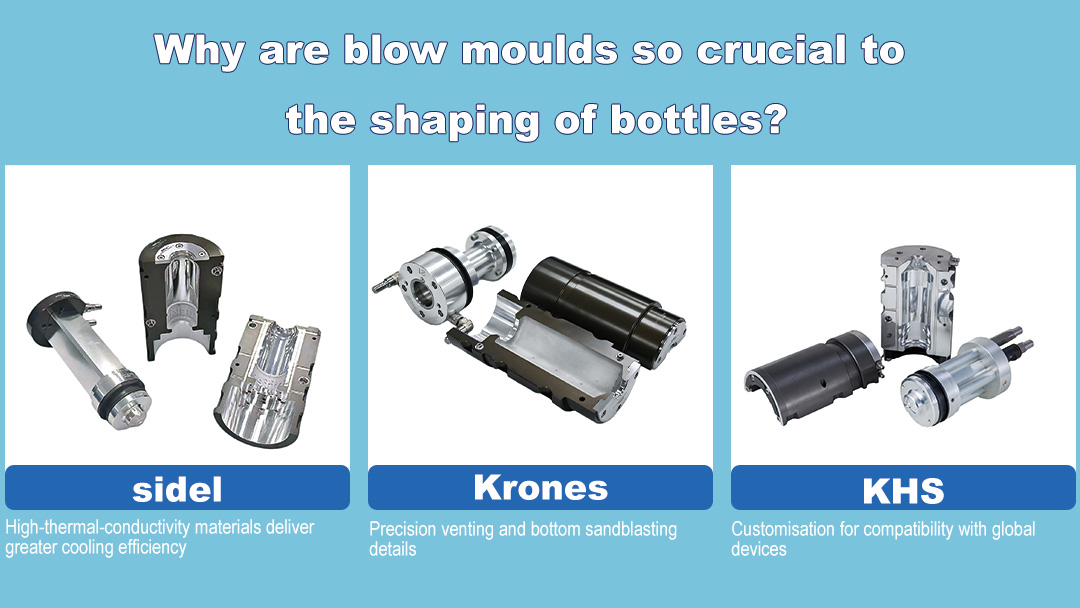
High Thermal Conductivity Materials for Efficient Cooling
Top blowing moulds come from plane-level aluminum mixes. Aluminum moves heat well. Hot plastic chills fast on contact with walls. Quick set forms the shape right away. This speed supports output up to 55,000 bottles hourly
Precision Venting and Bottom Sandblasting Details
Tiny features bring large gains. Air caught in the stretch must leave via small openings. Blocked paths cause odd shapes. A rough bottom finish stops plastic hold. It aids clean release and clean ends. Such care boosts the final view.
Customization for Global Equipment Compatibility
Factories often mix gear types. Strong blowing moulds fit easy with names like Sidel, Krones, and KHS. “Direct fit” designs allow bottle changes or old part swaps without base machine shifts. No need for costly frame or air system tweaks.
Conclusion: Elevate Your Production with Professional Service and Expert Tooling
Turning raw plastic to a fine bottle hinges on small measures. Choosing preform mould making with quality metal and smart planning guards lines from big failure costs. From 500ml water holders to 5L oil jugs, the proper tool splits basic containers from those showing brand care for standards. Quality holds the edge in market stand.
Solve Your Technical Challenges
Issues like thin walls, top leaks, or long runs call for deep tech looks, not just talks. Tailored plan checks, one-to-one model tests, and setup tips help lines reach full speed. Such steps boost output. Send current bottle plans or gear limits for a fit report. Contact our engineering team to review packaging steps.
FAQ
Q: Why is the choice of material so important in preform mould making?
A: Material sets tool life and run speed. Tough S136 steel in injection moulds fights wear for 10 million uses. Brought aluminum in blowing types aids fast heat drop, cutting run times.
Q: Can your moulds fit into my existing European or Asian machinery?
A: Yes. Builds match main names like Sidel, Krones, and Newamstar. “Direct use” parts need no base gear changes.
Q: How do you prevent common defects like eccentricity or uneven wall thickness?
A: Fine CNC work and position checks hold limits at ±0.01mm. Even hot flow and chill paths keep plastic even. This cuts off-center issues best.
Disclaimer
The brand names and logos of sidel, husky, khs, sacmi, sipa, netstal, etc., are registered trademarks owned by their respective legal holders. All mentioned trademarks and brand names in this article are used solely for the purpose of illustrating product compatibility and suitability. BJY does not claim any rights to the aforementioned trademarks and has no affiliation, authorization, or partnership with the companies mentioned. Any references herein do not imply that our products are original factory parts or have received official recognition from the manufacturers.