

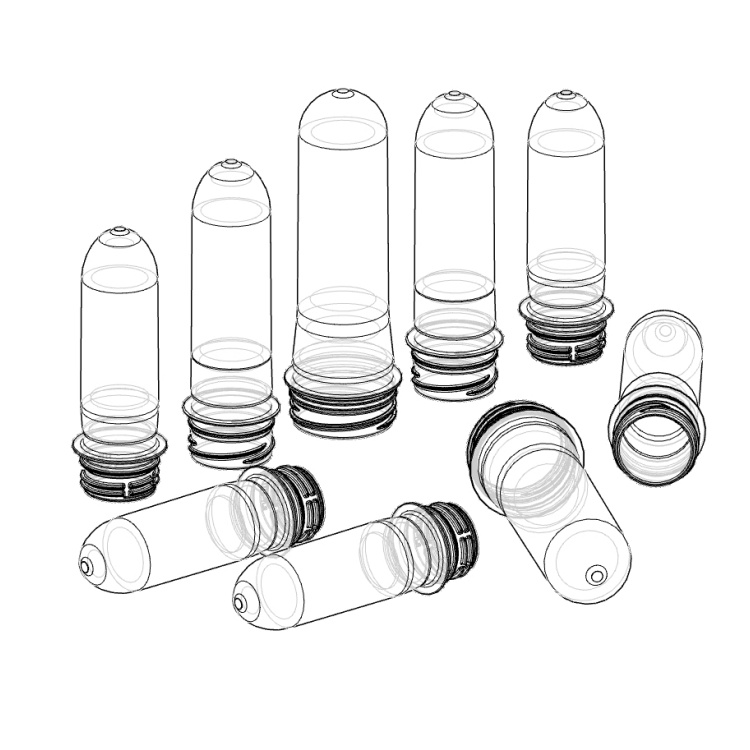
A Complete Guide to the Best Plastic Injection Molding Materials in 2026
Plastic injection molding keeps advancing as substances grow more targeted and output needs turn more intricate. By 2026, producers no longer pick plastics solely on price. Factors like substance firmness, handling traits, and fit with mold setups now carry greater weight in ongoing productivity and item standards.
In areas such as PET packaging, medical pieces, and large-scale consumer products, the link between plastic substance and mold elements has grown particularly close. Mold layout, chilling setups, and closing components straightaway shape how effectively a substance works in the factory setting. This overview outlines the key injection molding substances for 2026 and describes how expert mold elements, including those from BJY, aid steady and expandable production.
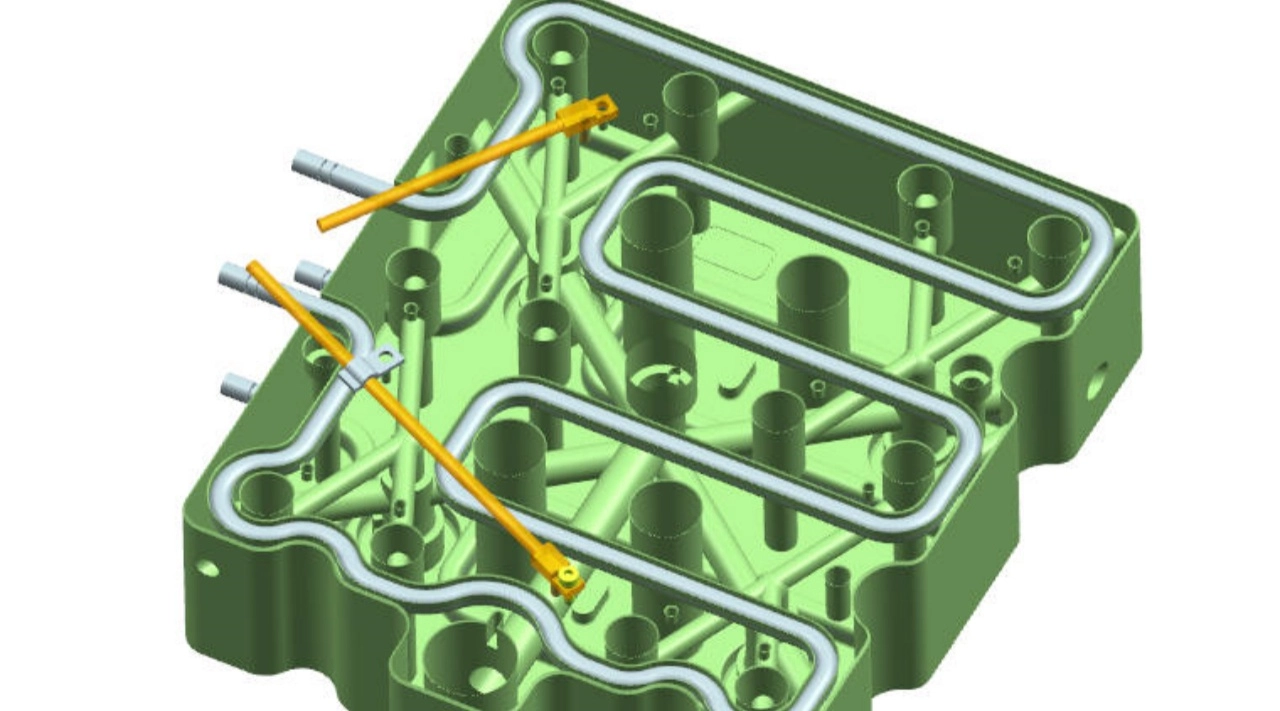
What Plastic Injection Molding Materials Will Dominate in 2026?
Trends in substance choice for 2026 arise from eco demands, elevated yield goals, and firmer quality rules. Although numerous plastics stay common, a few groups obviously lead in worldwide sectors.
Prior to examining each substance kind, it proves useful to note that substance appeal ties directly to mold output. Plastics that process quicker, chill uniformly, and act reliably within the cavity generally succeed in bulk manufacturing.
PET for High-Volume and Food-Grade Packaging
PET holds as one of the broadest applied injection molding substances in 2026, mainly for drink bottles, cooking oil holders, and food-safe packaging. Its see-through quality, durability relative to mass, and reuse potential sustain its pull among international labels.
Viewed from a molding angle, PET responds keenly to heat shifts and chilling equilibrium. Unequal chilling frequently results in bending or varying wall depths. For this reason, PET molds depend largely on thoughtfully planned chilling cores and firm cavities. BJY’s PET mold spare parts, which encompass exact cavities and extraction tube cooling cores, get crafted to manage nonstop fast-paced PET output without losing uniformity.
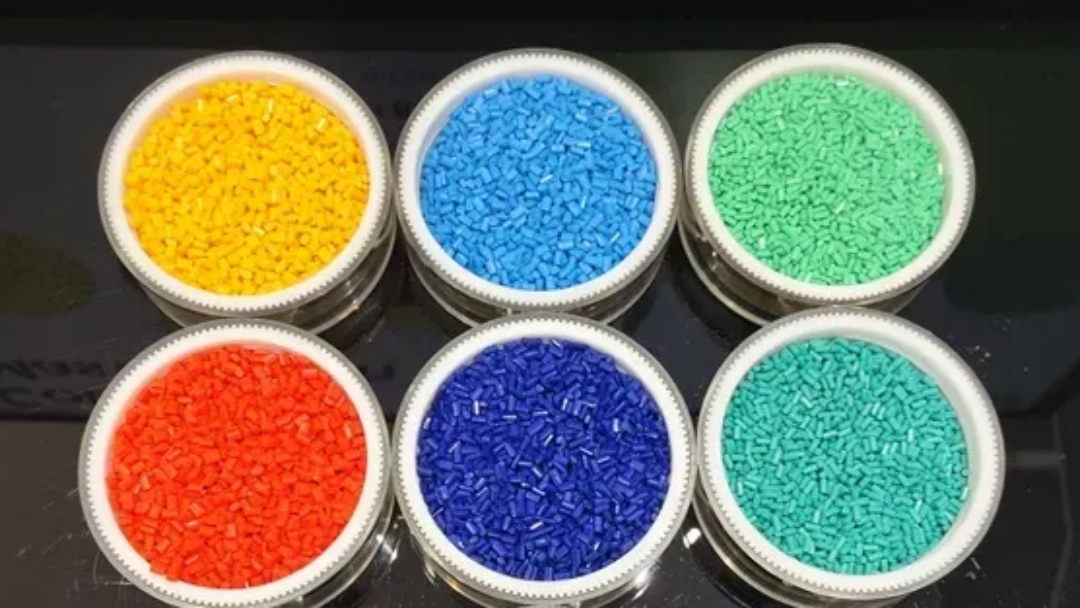
PP and PE for Cost-Effective Mass Production
Polypropylene and polyethylene persist in leading routine goods like tops, lids, home wares, and factory bins. These substances provide bendability, low cost, and simple handling, rendering them appealing for vast-scale output.
Yet, PP and PE often swell and contract more evidently amid molding. Mold elements need to endure ongoing heat loops while upholding close closing and even substance movement. Tough piston seals and abrasion-proof cavities assist in cutting drips and overflow in prolonged output sessions, particularly when devices function nonstop.
Engineering Plastics for High-Performance Applications
Engineering plastics including PC, ABS, and strengthened mixes see rising application in vehicle elements, device casings, and functional parts. These substances deliver robustness and warmth endurance, but they likewise impose greater strain on mold arrangements.
Here, mold exactness turns vital. Cavities require precise shaping, and chilling routes must draw out heat consistently to avert inner tension. Mold spare parts featuring steady sizes and solid surface polishes fulfill a key function in managing engineering plastics amid injection.
How Do Material Properties Affect Injection Mold Performance?
Every plastic acts in a distinct manner once introduced into a mold. Fusion heat, chilling speed, and flow opposition all shape the end piece’s caliber. As substances turn more focused, molds ought to get constructed to align with those actions instead of compelling plastics into broad layouts.
Grasping the ways substance traits engage with mold elements aids in lowering stoppages and waste levels.
Thermal Behavior and Cooling Efficiency
Heat movement stands as a primary hurdle in injection molding. Substances like PET and PC demand managed chilling to sidestep distortion, whereas quicker-loop plastics call for effective heat extraction to preserve yield pace.
BJY’s Extraction Tube Cooling Core gets built to boost inner heat swap inside the mold. Its framework aids uniform chilling over the cavity face, assisting pieces to detach easily and cutting loop differences. For elevated-yield PET preform molds, this type of chilling layout influences daily output amount directly.
Wear Resistance and Mold Component Lifespan
Certain plastics, notably those reinforced or loaded, heighten abrasion within the mold as time passes. Cavities and closing zones often emerge as the initial elements to display harm, resulting in subpar surface caliber or size shifts.
Premium cavities produced with regulated firmness and surface handling can prolong service duration notably. BJY furnishes cavities made for extended functioning, aiding producers to evade regular swaps and unforeseen pauses.
Sealing Stability During High-Pressure Injection
Firm closing proves essential amid injection, above all for substances that move swiftly or need elevated injection force. Feeble or frayed seals commonly trigger substance escape, force drop, or uneven filling.
BJY’s Piston Seal gets created to uphold closing output under recurring force loops. By lessening escape and rubbing, it bolsters smoother device running and more steady molding settings, even across drawn-out output periods.
Why Is Mold Design Critical for Different Plastic Materials?
Mold layout no longer serves as a universal approach. Each plastic substance imposes specific requests on cavity form, chilling arrangement, and closing setups. When mold layout fits substance action, output grows more foreseeable and simpler to oversee.
Soundly planned mold frameworks moreover ease upkeep and cut enduring expenses.
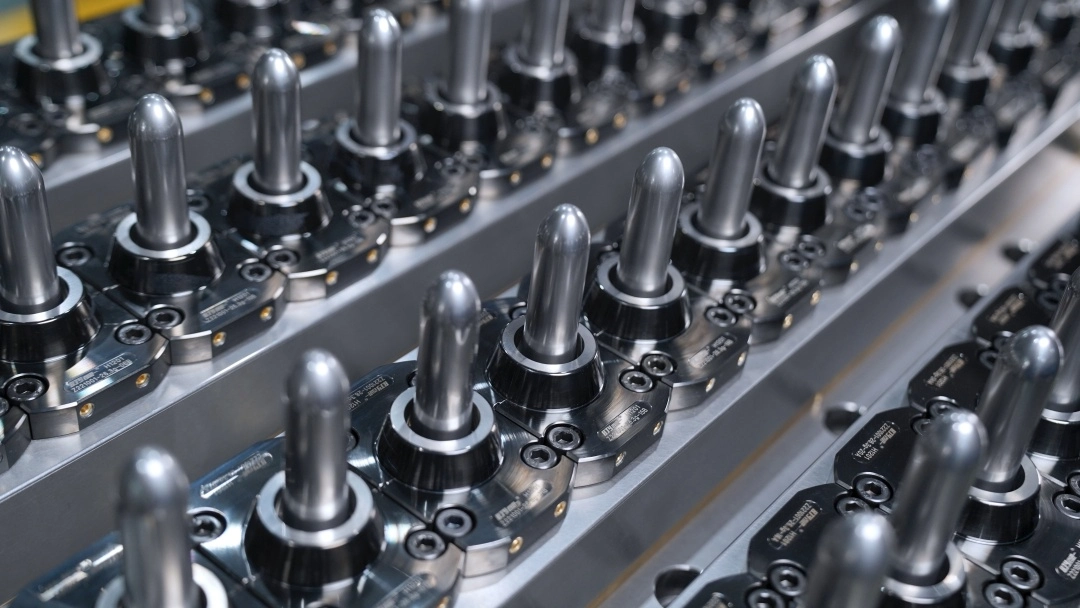
Precision Cavity Design for Consistent Part Quality
Cavity correctness straightaway sways piece dimensions, mass, and surface polish. For PET preforms and functional elements, minor variances can spark major later issues.
BJY’s Cavity items get engineered with narrow limits to back reliable molding outcomes. This degree of exactness holds special worth for clients operating multi-cavity molds where sameness across every cavity counts.
Optimized Cooling Structure for Heat-Sensitive Plastics
Heat-responsive plastics gain from chilling setups that extract heat evenly instead of rapidly in isolated spots. Unequal chilling often yields inner strain or noticeable flaws.
Chilling cores planned with equilibrated flow trails assist in regulating this procedure. BJY’s extraction tube cooling core framework backs stable chilling output, rendering it fitting for PET and other warmth-responsive substances.
Reliable Sealing Systems for Material Flow Control
Substance flow regulation hinges largely on closing output. Weak seals disrupt force harmony and may generate filling shortcomings or overflow.
Employing sturdy piston seals aids in preserving steady force all through the injection procedure. This steadiness matters greatly when handling substances with tight handling ranges.
What Role Do Mold Spare Parts Play in Material Adaptability?
As producers alternate between substances or tweak output aims, mold spare parts frequently decide how adaptable a mold setup can prove. Top-grade spare parts simplify adjusting molds to fresh substances without overhauling the full implement.
Such adaptability forms a market edge in swiftly shifting sectors.
Cavities Customized for Material Shrinkage Rates
Varied plastics contract at differing speeds during chilling. Cavities must get shaped to factor in these changes to uphold size correctness.
BJY delivers cavity answers adjusted to PET substance traits, assisting clients in regulating contraction and upholding consistent preform shapes across output lots.
Cooling Components Supporting Fast-Cycle Materials
Swift-loop substances require chilling setups that match briefer molding durations. Lacking chilling rapidly forms a restriction.
Extraction tube cooling cores aid in backing greater yield by enhancing heat swap productivity. This permits devices to operate swifter without raising flaw levels.
Sealing Parts Ensuring Process Stability
Steady seals lessen procedure swings and ease device calibration. When seals function reliably, handlers devote less effort to adjusting settings.
BJY’s piston seals get designed for ongoing application in rigorous output surroundings, backing stable running even amid lengthy, unbroken sessions.
How Can Manufacturers Choose the Right Material and Mold Setup?
Picking the suitable substance forms just one segment of the choice. Pairing that substance with a fitting mold framework and dependable spare parts settles how fluidly output proceeds in actual settings.
Producers who view substance and mold as an integrated unit typically secure superior enduring outcomes.
Matching Plastic Properties with Mold Structure
Substance movement, chilling requirements, and contraction traits ought to steer mold layout choices. Harmonizing these aspects early cuts calibration time at output launch.
Selecting Durable Components for Long-Term Production
Sturdy mold elements assist in sustaining yield sameness over periods. High-caliber cavities, chilling cores, and seals diminish upkeep regularity and safeguard item standards.
Partnering With Experienced PET Mold Solution Providers
Collaborating with a provider versed in PET mold arrangements streamlines both initial setup and continued running. BJY provides focused mold spare parts crafted for PET preform molds, aiding stable output throughout diverse sectors. Further item specifics appear at https://www.bjypetmould.com/.
FAQ
Q1: Why is PET still the preferred material for injection-molded packaging in 2026?
A: PET provides a solid mix of see-through quality, robustness, and reuse ease. Its firm action during injection renders it apt for fast, large-volume output when combined with apt chilling and cavity layout.
Q2: How do cooling cores affect injection molding efficiency?
A: Chilling cores regulate how rapidly and uniformly heat exits the molded piece. Soundly planned chilling cores trim loop durations and lessen flaws from unequal chilling.
Q3: When should mold spare parts like cavities and piston seals be replaced?
A: Swap typically arises when abrasion begins impacting piece caliber or procedure steadiness. Applying sturdy spare parts can lengthen service gaps and cut unforeseen pauses.