

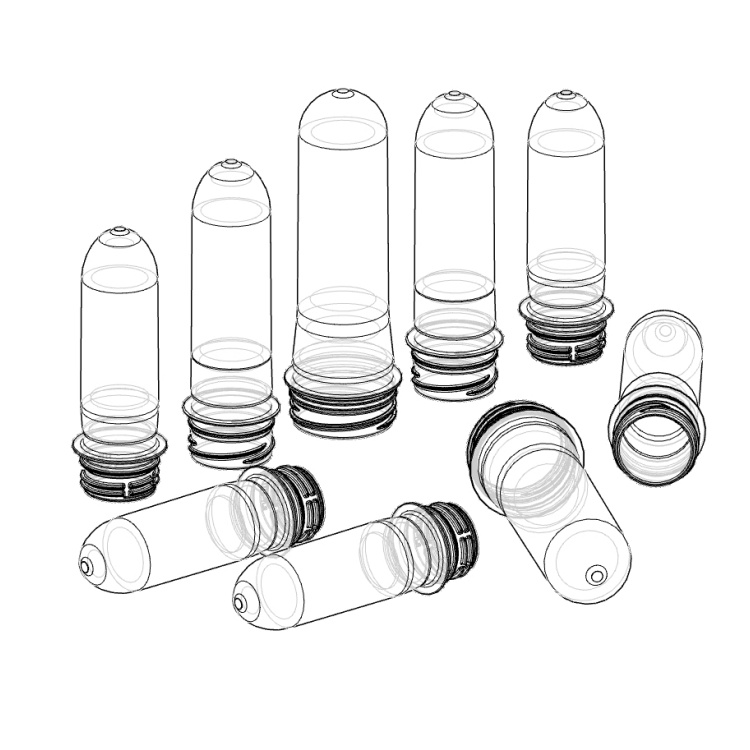
The Essential Guide to PET Bottle Preform Injection Production
PET bottle preforms sit quietly behind almost every beverage, oil, or personal care bottle on the market. While they are rarely noticed by consumers, preforms play a major role in how bottles perform, look, and survive real production conditions. From injection accuracy to blow molding compatibility, preform quality affects the entire packaging chain.
For manufacturers working with high-speed equipment and tight cost targets, understanding PET bottle preform injection production is no longer optional. Mold structure, cavity layout, and machine matching all shape output stability and long-term efficiency. This guide walks through the core factors behind PET bottle preform injection production and shows how BJY supports these needs with proven mold solutions and precision parts.
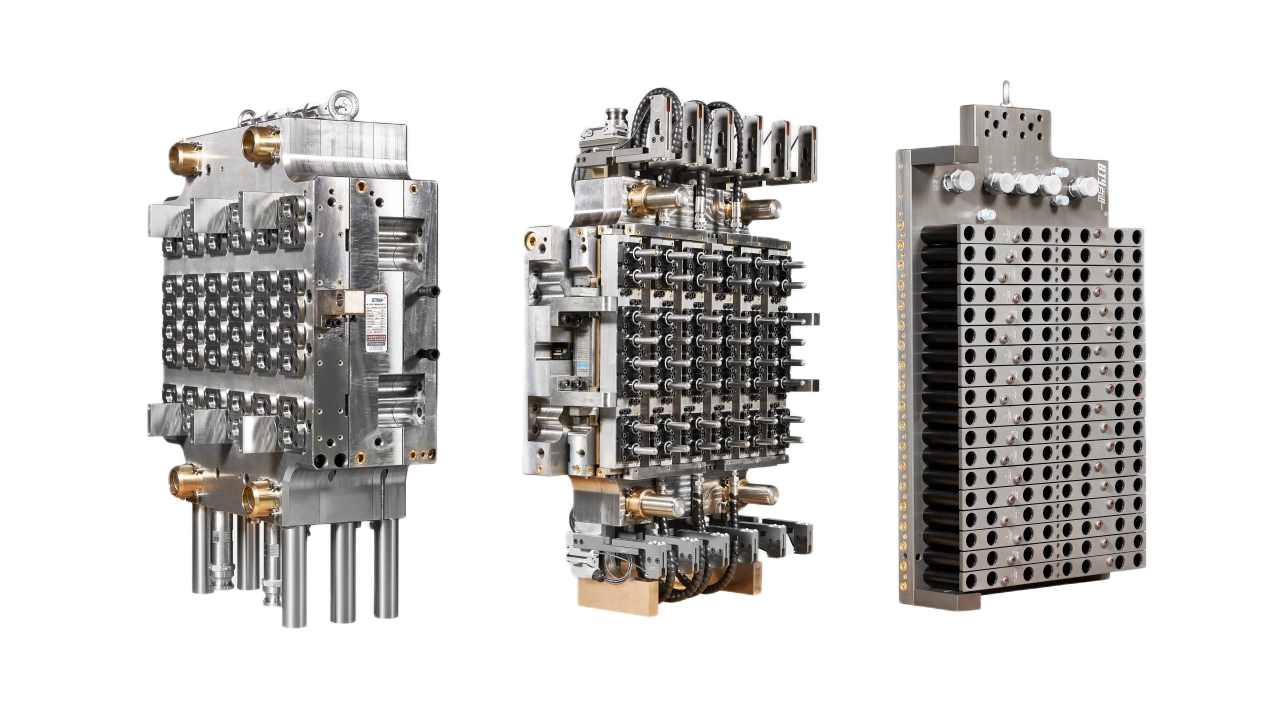
Why Is PET bottle preform injection Production Critical for Bottle Quality and Efficiency?
PET bottle preform injection production is the first real step where bottle quality takes shape. Any small issue at this stage often shows up later as unstable blowing, uneven walls, or cap leakage. That is why preform design and tooling accuracy receive so much attention in professional bottling lines.
Before looking at specific mold designs, it helps to understand what makes preform production such a sensitive process.
Dimensional Accuracy and Neck Finish Consistency
The neck finish is one of the most controlled areas of a PET bottle. Even small tolerance shifts can cause cap fit problems, leaks, or unstable sealing during filling. This is especially true for carbonated drinks and hot-fill products.
High-precision preform molds focus heavily on neck geometry. Stable machining, good cavity alignment, and clean parting surfaces help keep neck dimensions consistent across all cavities. BJY designs its PET bottle preform injection molds with strict control on neck finish accuracy, allowing smooth matching with standard closures such as 28mm, 29/25, and other common formats used on global bottling lines.
Material Flow Control and Weight Stability
Stable preform weight is not just about material cost. Weight variation changes how the bottle stretches during blowing, which affects wall thickness and strength. Poor flow control often leads to cloudy areas, uneven stretching, or weak pressure zones.
A well-designed cavity structure guides molten PET smoothly and evenly. Balanced runners and controlled cooling help keep every shot close to target weight, even during long production runs. This kind of control becomes more important as producers move toward lightweight bottles.
Compatibility With High-Speed Injection Systems
Modern injection machines run fast, often nonstop. Preform molds must match the rhythm of these machines without adding stress or downtime. Compatibility with systems like Husky is not just about mounting size; it involves cooling layout, cavity balance, and part removal stability.
BJY develops molds specifically for mainstream high-speed platforms, allowing producers to keep output steady without constant adjustments.
How Does Mold Design Influence PET bottle preform injection Performance?
Mold design quietly shapes every detail of preform performance. From how PET flows into the cavity to how fast heat moves out, design choices directly affect cycle time and part consistency.
Understanding these design elements helps explain why not all preform molds perform the same, even when cavity counts look similar.
Cavity Balance and Uniform Wall Thickness
In multi-cavity molds, balance matters. If cavities fill at different speeds, wall thickness varies from preform to preform. This leads to uneven bottle stretching and visible quality differences on the filling line.
BJY focuses on cavity balance through careful runner layout and precision machining. Each cavity receives material under similar pressure and temperature conditions, helping maintain consistent wall thickness across the full mold.
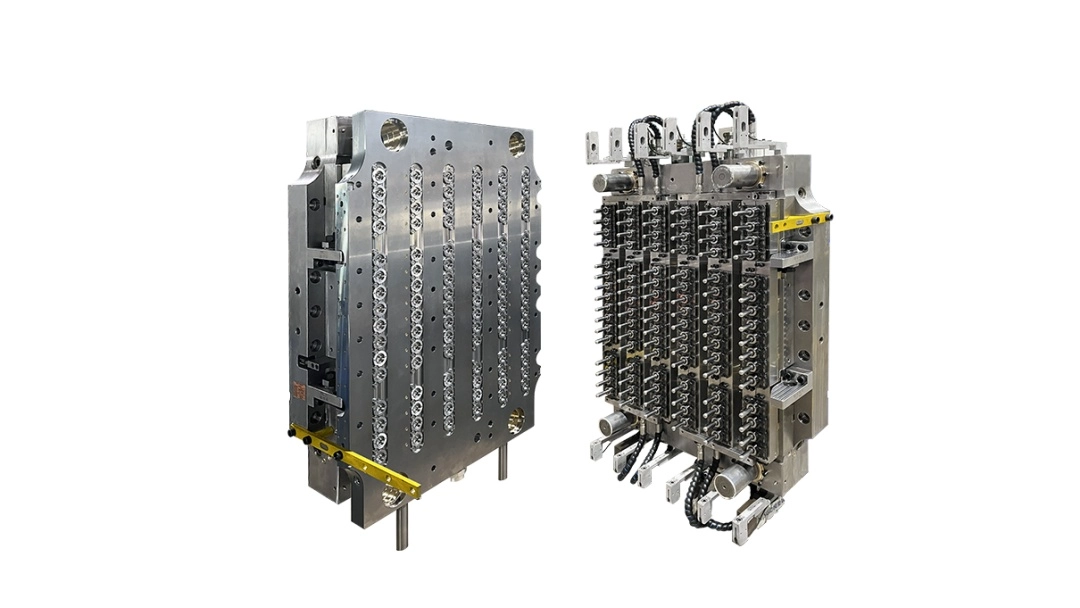
Cooling Efficiency and Cycle Time Control
Cooling often limits how fast a mold can run. Poor cooling design causes hot spots, longer cycles, and unstable part release. Over time, this also increases wear on mold components.
By using proven cooling channel layouts and high-quality materials, BJY molds support faster heat transfer without pushing machines beyond safe limits. This keeps cycle times predictable and helps operators plan output more accurately.
Long-Term Wear Resistance and Service Life
Preform molds face constant pressure, heat, and movement. Without proper material selection and surface treatment, cavities and wear parts degrade faster than expected.
BJY uses hardened steels, controlled heat treatment, and tight tolerance machining to extend mold service life. This reduces the frequency of rebuilds and helps protect long-term production investment.
What Makes High-Cavity PET bottle preform injection Molds Essential for Mass Production?
As beverage demand grows, many producers move toward high-cavity molds to lower unit cost and increase output. However, high cavity count only brings value when mold stability matches production speed.
This is where design experience and machine matching become especially important.
High-Output Production With 48-Cavity Configurations
A 48-cavity preform mold significantly boosts output per cycle. Compared with lower cavity designs, it allows more parts to be produced with the same machine footprint.
BJY’s 48-cavity PET bottle preform injection mold is designed to keep all cavities running under similar conditions. Balanced layout and solid cooling support stable output even during long production shifts.
Process Stability on Husky Injection Machines
Husky machines are known for speed and precision, but they also demand well-matched molds. Any imbalance becomes visible quickly.
BJY’s 48 Cavities PET bottle preform injection Mold for Husky Injection Machine is built specifically around Husky system parameters. The result is smooth operation, clean part release, and reduced need for operator correction.
Reduced Cost per Preform Through Scale Efficiency
When molds run smoothly at high cavity counts, cost per preform drops naturally. Energy use per part falls, labor efficiency improves, and scrap rates stay low.
For high-volume water, CSD, and edible oil producers, this type of scale efficiency makes a real difference over time.
Why Are Spare Parts Critical to Injection Mold Reliability?
Even the best molds rely on wear parts that face constant stress. Ignoring spare part quality often leads to unexpected downtime and rising maintenance costs.
A reliable spare parts supply keeps production predictable and avoids long stops waiting for replacements.
Maintaining Cavity Alignment and Sealing Accuracy
Parts like cavities, lock rings, and neck rings directly affect preform shape and sealing performance. Wear or poor replacement parts can throw off alignment and create defects.
BJY manufactures spare parts with tight tolerances, matching original specifications for Husky systems. This helps restore mold performance without trial-and-error fitting.
Reducing Unplanned Downtime and Production Loss
Unexpected mold failure often costs more than the part itself. Lost production time, material waste, and emergency repairs quickly add up.
With BJY spare parts for Husky injection machines, producers can keep critical components in stock and react faster when replacement is needed.
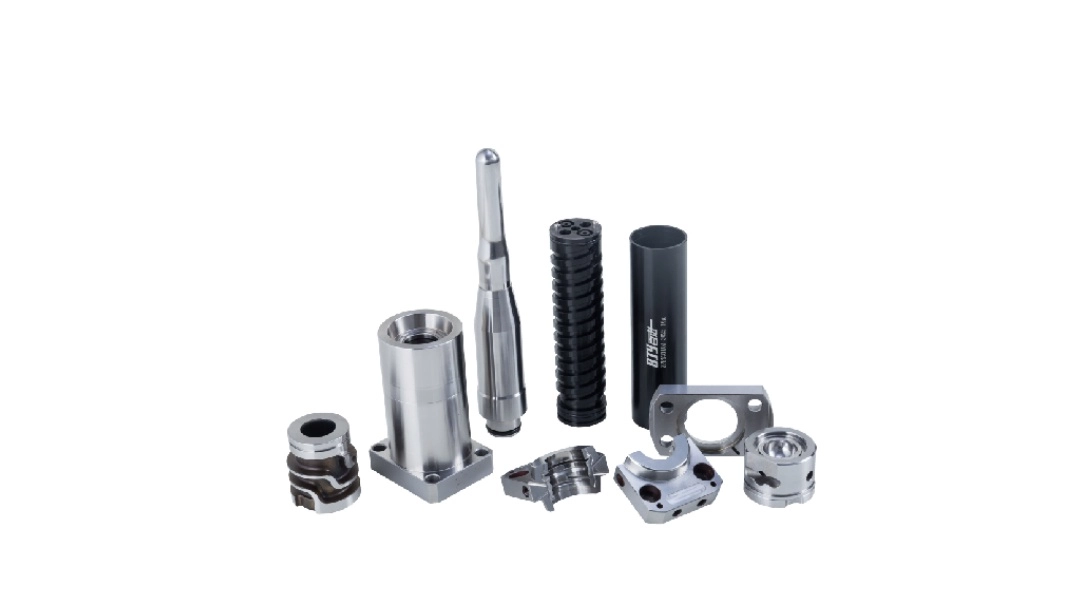
Extending Mold Life Through Timely Component Replacement
Replacing worn parts early often saves the main mold structure. This approach extends overall mold life and spreads investment cost across more production cycles.
BJY’s spare parts program supports this maintenance style by offering consistent quality and short lead times.
How Do Blowing Molds Complete the PET Bottle Production Chain?
After injection comes blowing. Even a perfect preform can fail if the blowing mold does not match its design or production speed.
Blowing molds must handle heat, pressure, and fast movement while keeping bottle shape stable.
Accurate Bottle Shape Replication
Bottle appearance matters on retail shelves. Uneven surfaces or distorted shapes reduce product appeal.
BJY’s PET blowing molds for KHS blow molding machines use precision machining and smooth cavity surfaces to support clean bottle definition and stable shape forming.
img.Accurate Bottle Shape Replication.webp
Stable Performance on High-Speed Blowing Lines
High-speed blow molding lines leave little room for error. Poor cooling or weak structure can cause deformation or slow cycles.
BJY designs blowing molds with efficient cooling paths and durable materials, helping maintain steady output even at high line speeds.
Adaptability to Beverage and Liquid Packaging Applications
Different products place different demands on bottles. Carbonated drinks need pressure strength, while oils and juices need shape stability and sealing.
BJY blowing molds are used across water, CSD, edible oil, and daily chemical packaging, supporting flexible production needs without frequent mold changes.
FAQ
Q1: What cavity count is suitable for medium-sized beverage producers?
A: For medium-scale producers, 32 to 48 cavities often provide a good balance between output and investment. A 48-cavity mold becomes more attractive when demand is stable and machines run full shifts.
Q2: Can BJY molds work with existing Husky equipment?
A: Yes. BJY designs preform molds and spare parts based on Husky system standards, allowing smooth integration without major equipment changes.
Q3: How long do PET bottle preform injection and blowing molds typically last?
A: With regular cleaning and proper water treatment, customer molds can even last more than 10 years, depending on operating conditions and materials used.
Disclaimer
The brand names and logos of sidel, husky, khs, sacmi, sipa, netstal, etc., are registered trademarks owned by their respective legal holders. All mentioned trademarks and brand names in this article are used solely for the purpose of illustrating product compatibility and suitability. BJY does not claim any rights to the aforementioned trademarks and has no affiliation, authorization, or partnership with the companies mentioned. Any references herein do not imply that our products are original factory parts or have received official recognition from the manufacturers.