

Mastering PET Bottle Production: A Deep Dive into Molds, Processes, and Solutions
When you grab a bottle of water or soda from the shelf, you probably don’t think about the work that went into making it look and feel just right. But for factories that operate around the clock, every detail is of vital importance. PET bottles are everywhere these days, and the companies that make the molds behind them have to be spot-on. Foshan Baijinyi Precise Technology Co., Ltd., based in Guangdong, has been doing exactly that since 2011. This post walks through the main ways plastic gets shaped into bottles, the molds BJY builds, the headaches factories face, and why the team behind it all matters just as much as the machines.
Understanding Plastic Molding Processes for PET Packaging
Plastic doesn’t just magically turn into a bottle. There are a bunch of ways to shape it, and each has its own tricks.
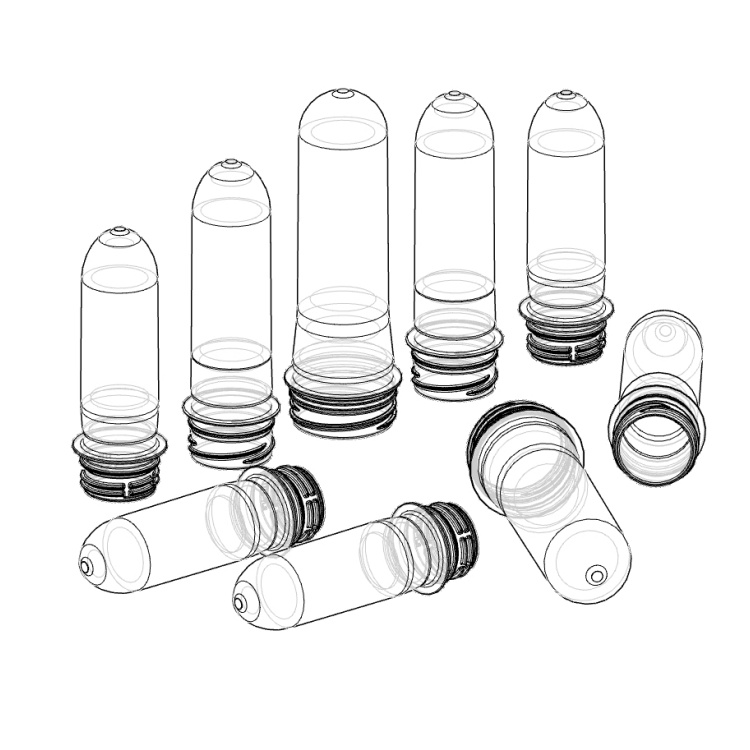
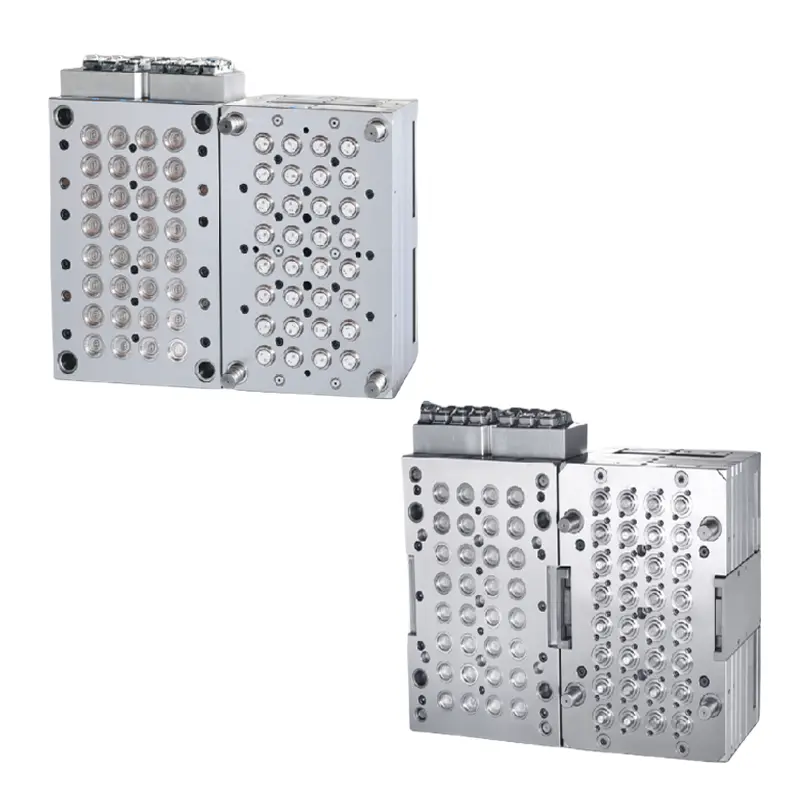
Injection molding is the big one for preforms and caps. You heat plastic pellets until they’re gooey, shove them into a mold with serious pressure, and let them cool. Temperature, pressure, and timing have to line up perfectly or the part comes out wonky. It’s fast, accurate, and great for millions of pieces.
Then comes blow molding—the step that actually turns the little preform into a full bottle. Heat the preform, stretch it with a rod, blast air inside, and watch it puff up against the mold walls. That’s how you get the hollow shape. BJY spends most of its time perfecting molds for this exact job.
Other methods pop up too. Compression molding is common for caps. Rotational molding (or rotomolding) is used for big tanks and coolers. Vacuum forming makes thin trays and packaging blisters. Each technique has its sweet spot. Factories pick whatever fits the product, the volume, and the budget.
Knowing these differences helps everyone on the line make smarter calls.
Key Products Driving Efficient PET Production
BJY isn’t throwing random molds at customers. Everything they make is built for real beverage lines running flat out.
The 2L aluminum blow mold is a workhorse for carbonated drinks on KHS machines. Aluminum cools fast, so the cycle time drops and bottles come out crisp. It’s light, tough, and polished so bottles slide out without sticking.
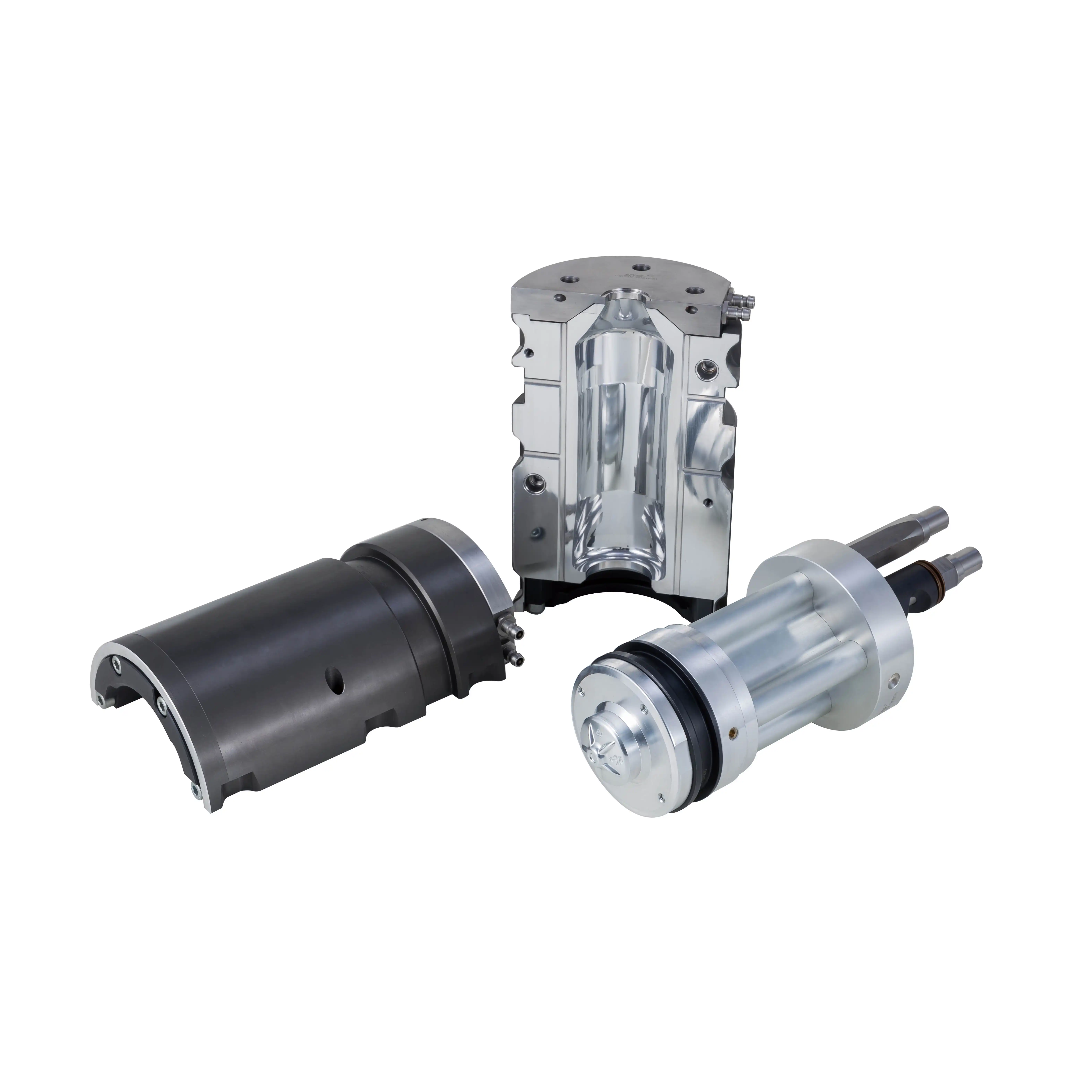
For lighter bottles, the 12.5g cavity is a favorite. It’s machined from one solid block—no seams, no weak spots. Wall thickness stays dead even, and it plays nice with recycled PET or bio-resins. Yogurt cups, jelly containers, tiny pharma bottles—all run smoother with this design.
The 13.5g cavity flange handles the neck area. Tight tolerances on the thread mean caps screw on perfectly every time. It’s made to bolt straight onto most hot-runner setups without drama.
Big plants love the 48 Cavities PET Preform Mold for Husky Injection Machine. Balanced runners keep every cavity fit, so weight variation stays tiny. Whether the final bottle holds water, oil, or juice, the preforms come out identical.
Even smaller parts like the 29/25 choke of capper get attention. Stainless steel, salt-spray tested, built to grip high caps or short caps without slipping.
Across the board, little touches make the difference: sandblasted bottoms so bottles pop free, quick-change interfaces, custom neck inserts when a brand wants something special. That’s the stuff that keeps lines humming instead of jamming.
Tackling Common Blow Molding Challenges
Nothing frustrates a production manager more than a line spitting out bad bottles. Here are the usual suspects and the fixes that actually work.
Cloudy bottles? Too much heat or damp air. Turn the lamps down a notch and throw a dryer on the air line. Problem solved most of the time.
Walls thicker on one side than the other? The stretch rod might be off center or the preform isn’t spinning evenly in the oven. Line the rod up, check the mandrels, and the walls even out fast.
Thin bottoms that crack under pressure? Either the blow started too early or the base got too hot. Delay the main blow a few milliseconds or drop the bottom lamps a bit.
Bottom offset (sometimes called pear shape)? Nine times out of ten the stretch rod isn’t hitting dead center. A quick adjustment and the feet sit flat again.
Bottles blowing out or cracking at the gate? Preform too cold, rod moving too slow, or the material itself is tired. Warm things up, speed the rod, or switch to a fresher batch.
BJY keeps a running list of these fixes because they see them every week on customer lines. Capacity a hair off? Add or remove a shim. Bottle going oval? Slow the blow or cool the mold faster. Heat-fill bottles shrinking in the cooler? Slow the whole cycle and let the base crystallize properly.
Having someone who’s already seen the problem—and fixed it dozens of times—saves hours of trial and error.
Company Culture and Team Dynamics at BJY
Machines are only half the story. The people running them matter just as much.
BJY employs over 100 folks in a 4,000-plus square meter shop. They’ve racked up Guangdong “specialized and sophisticated” awards, a stack of patents, and a reputation for getting things done right the first time.
Last summer the whole crew took off to Huizhou for three days—Xunliao Bay, mangroves, beach barbecues, and a lot of laughing. Walking the tidal flats, chasing crabs, fishing with zero skill but maximum cheering—those kinds of trips remind everyone they’re on the same team. When Monday rolls around, that energy shows up in the shop. Problems get solved faster, ideas bounce around easier, and customers feel the difference.
It’s not just feel-good stuff. Happy, tight-knit teams ship better molds on time.
Wrapping Up: Why Precision Matters in PET Packaging
At the end of the day, PET packaging is a game of tiny details done thousands of times per hour. The right mold, the right process tweaks, and the right people behind it turn ordinary plastic into bottles that look good, hold pressure, and fly off shelves.
BJY keeps focusing on the practical side—aluminum that cools fast, cavities that don’t leak heat, fixes that actually work on the floor. Whether a plant needs a 555ml mold for a rotary Sidel line, a lightweight 12.5g cavity, or a custom capper head, the goal stays the same: make the line run faster, waste less, and sleep better at night.
Drop a mail to info@bjypetmold.com or visit www.bjypetmold.com if you want to talk bottles. The team is always ready to help.
FAQ
Q1: What materials work best for PET blow molds?
A: Imported aluminum alloy is the go-to. It cools quick, weighs less than steel, and lasts millions of shots if you treat it right.
Q2: How do you fix uneven bottle thickness in the middle of a run?
A: Check if the stretch rod is centered, make sure the preform spins in the oven, and bump the stretch ratio a little. Usually one of those three does the trick.
Q3: Can BJY make molds for weird, brand-specific bottle shapes?
A: All the time. Send a sample bottle or drawing, they reverse-engineer it, cut a test mold, and tweak until it’s perfect.
Disclaimer
The brand names and logos of sidel, husky, khs, sacmi.sipa, netstal, etc., are registered trademarks owned by their respective legal holders. All mentioned trademarks and brand names in this article are used solely for the purpose of illustrating product compatibility and suitability. BJY does not claim any rights to the aforementioned trademarks and has no affiliation, authorization, or partnership with the companies mentioned. Any references herein do not imply that our products are original factory parts or have received official recognition from the manufacturers.